New
Salamanca, Madrid, Community of Madrid, Spain
Designer apartment with leafy views in Recoletos: 3 en-suite bedrooms and state-of-the-art comfort technology
Price
€4,363,000
- 3 Bedrooms
- 3 Bathrooms
- ~249 m² Living area
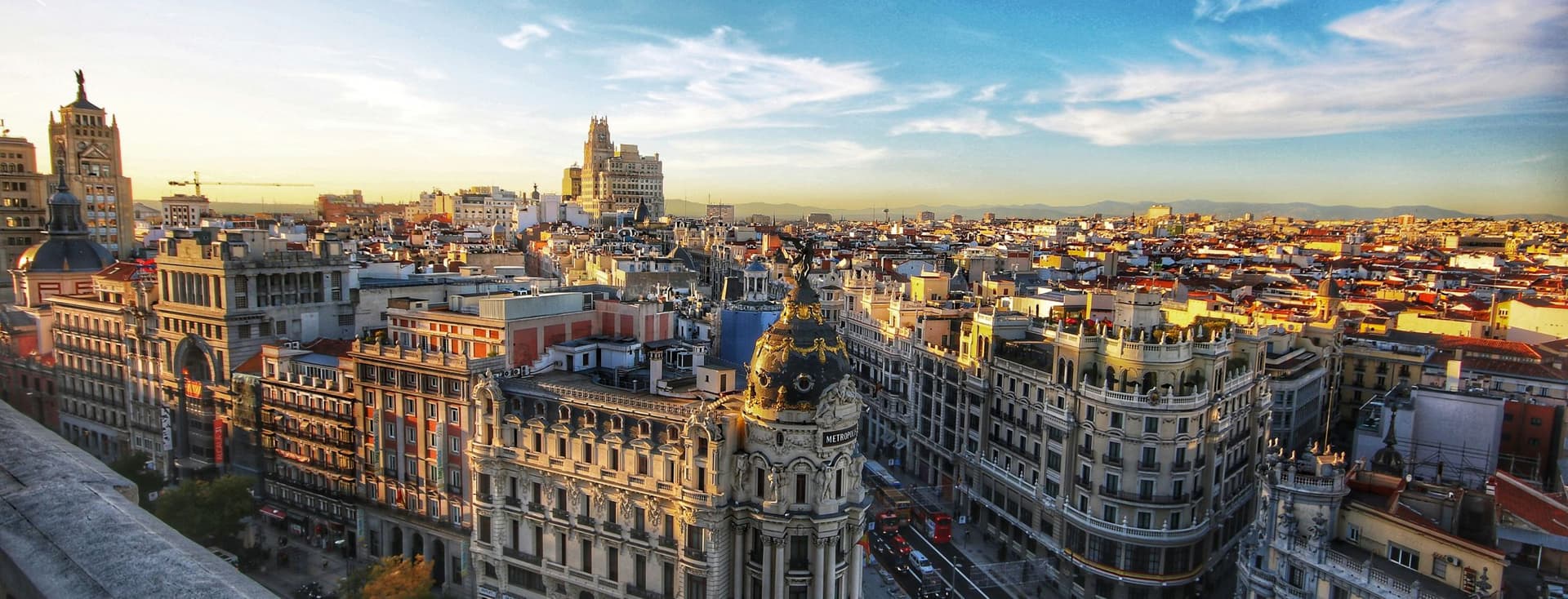
Madrid has established itself as one of Europe's most dynamic, resilient and sophisticated real estate markets. At a time when Spain's property sector is undergoing significant transformation, the capital not only reflects the country's key market trends but also amplifies and reshapes them.
According to data gathered by our agents in the latest Engel & Völkers Annual Report 2025, Madrid clearly illustrates the defining characteristics of today's property market: increasing polarisation, continued growth in the prime segment, and a buyer profile that is becoming increasingly wealth-driven.
Against a backdrop of limited supply, sustained demand and growing market segmentation, understanding how Madrid's real estate market is evolving is essential for making informed decisions, whether you are buying, selling or investing.
Table of Content
How the Madrid real estate market is evolving
House prices in Madrid: Record highs and growing market polarisation
The rise of Madrid's prime segment
A more wealth-oriented buyer: The market's biggest shift
Limited supply: The market's greatest challenge
What buyers should consider in Madrid in 2026
What sellers should consider in Madrid in 2026
Outlook for Madrid's real estate market
Frequently asked questions about Madrid's real estate market in 2026
Madrid's real estate market in 2025–2026 is characterised by a combination of robust demand, rising property prices and increasingly clear segmentation across different areas of the city. Prime districts continue to outperform, while emerging neighbourhoods are steadily strengthening their position.
This environment is sustaining a high level of market activity, with well-positioned properties continuing to attract buyers quickly.
What truly sets Madrid apart, however, is not simply its overall growth but the way that growth is distributed. Rather than operating as a single, uniform market, the city functions as a collection of distinct micro-markets, each with its own demand patterns, buyer profile and housing stock.
Three key market dynamics currently define Madrid:
Established districts with consistently high demand: Areas such as Salamanca, Chamberí and Retiro continue to experience strong demand from both domestic and international buyers. Limited supply creates a highly competitive market with rapid property turnover.
Growing neighbourhoods with strong appreciation potential: Locations including Sanchinarro, Valdebebas and Las Tablas are attracting buyers looking for the right balance between affordability, quality of life and long-term capital growth. Demand in these areas continues to rise steadily.
More stable residential markets: Districts such as Moratalaz, Carabanchel and Alcorcón offer a more balanced market, characterised by lower demand pressure and a predominantly local buyer profile.
This internal diversity has become one of the defining features of Madrid's residential property market.
House prices in Madrid reached historic highs in 2025, exceeding an average of €7,000/m² while revealing increasingly significant differences between districts, particularly across the city's prime locations.
The average price currently stands at approximately €7,145/m², following annual growth of 15.5%, as buyer demand continues to outstrip the supply of available homes.
However, this city-wide average tells only part of the story. Market performance varies considerably from one neighbourhood to another, with each area following its own pricing dynamics.
Districts such as Salamanca, Chamberí, Chamartín and Retiro continue to concentrate the highest levels of premium demand and command Madrid's highest property values.
Within these areas:
Salamanca exceeds €18,000/m² in some of its most exclusive locations.
Chamberí has recorded one of the strongest annual increases, with prices rising by more than 20%.
Chamartín and Retiro continue to experience exceptionally high transaction volumes.
These districts share several defining characteristics: prestigious locations, extremely limited supply and sustained demand from both Spanish and international buyers.
Alongside Madrid's established prime districts, other locations such as Sanchinarro and newly developed urban areas continue to strengthen their position within the residential market.
These areas are characterised by:
Average prices exceeding €6,000/m² in Sanchinarro.
A predominantly domestic buyer profile.
A stronger balance between pricing, quality of life and modern housing stock.
According to the findings of our 2025 report, the residential market surrounding Madrid continues to strengthen, with municipalities such as Pozuelo de Alarcón, Majadahonda, Boadilla del Monte and Las Rozas accounting for an increasingly significant share of metropolitan housing demand.
Pozuelo de Alarcón remains one of the most exclusive residential locations around Madrid, with average prices of €5,526/m² and peak values approaching €12,900/m² in some areas.
Meanwhile, municipalities such as Majadahonda and Boadilla del Monte continue to attract families and high-net-worth buyers, particularly in the detached housing segment, where spacious homes and residential developments with generous outdoor areas remain highly sought after.
According to the Engel & Völkers 2025 Report, detached homes continue to dominate much of Madrid's metropolitan market, typically offering between 196 and 550 m² of living space and attracting predominantly family buyers.
This trend highlights how Madrid's residential market increasingly extends beyond the city limits, with surrounding municipalities developing their own distinct market dynamics.
Madrid should not be viewed as a single property market. Differences between neighbourhoods are reflected not only in pricing, but also in buyer behaviour, transaction speed and purchaser profiles.
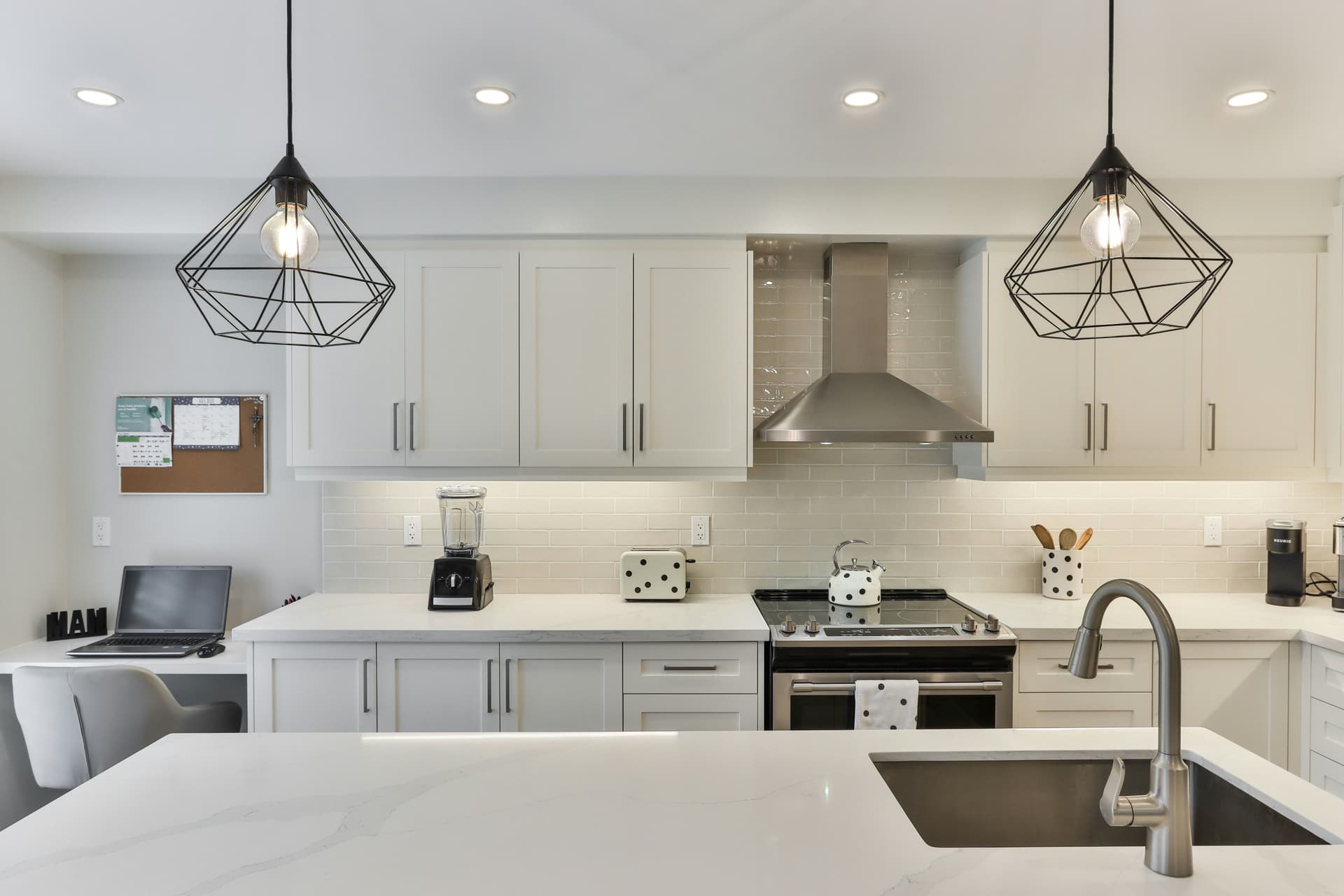
Madrid's prime residential market continues to expand, driven by strong demand and sustained interest from international buyers and wealth-oriented investors seeking high-quality properties in established locations.
As highlighted in the latest report, this growth is underpinned by several structural factors:
Strong inflows of international capital.
The stability of the Spanish real estate market compared with other investment destinations.
Growing demand for property as a safe-haven asset.
Beyond increasing demand, one of the market's most significant developments is the changing definition of luxury living.
In districts such as Salamanca, Chamberí and Chamartín, buyers are increasingly seeking homes that combine an exceptional location with superior construction quality, energy efficiency, outdoor spaces and a more complete residential experience.
At the same time, the prime segment is expanding beyond Madrid's traditional luxury neighbourhoods.
Growth is particularly evident in:
Northern Madrid, in areas such as Valdebebas and El Encinar de los Reyes, where modern homes and a higher quality of life are key attractions.
New urban developments, including Sanchinarro, Las Tablas and Montecarmelo, which appeal to buyers looking for newly built homes with excellent services and amenities.
Emerging neighbourhoods, such as Tetuán, Prosperidad and Arganzuela, which are becoming increasingly attractive thanks to their proximity to well-established districts.
As a result, Madrid's prime market is no longer defined solely by its traditional luxury addresses. Increasingly, it is the quality of the property and its surroundings that determine whether an asset is considered truly prime.
According to our 2025 report, Madrid's buyer profile has evolved towards a more wealth-oriented approach, with greater purchasing power and less reliance on mortgage financing, particularly in the city's highest-value districts.
In areas such as Salamanca, Chamberí and Chamartín, more than 40% of transactions are completed without financing, highlighting a market that is becoming increasingly independent of credit conditions.
This shift has given rise to a more financially robust and strategic buyer, typically characterised by the following:
A preference for well-located properties with proven quality.
Decisions driven by long-term wealth preservation rather than short-term opportunities.
Greater purchasing capacity, even in highly competitive markets.
In practice, this buyer profile is having a direct impact on market performance. Well-positioned properties continue to be absorbed quickly, while homes that fail to meet buyer expectations often require price adjustments or a revised sales strategy.
One of the factors that best explains Madrid's property market is the limited supply of available housing, particularly in central and well-established districts.
In neighbourhoods such as Salamanca, Chamberí and Retiro, the shortage of available properties is structural. High demand combined with low turnover creates a highly competitive environment in which quality homes rarely remain on the market for long.
Several factors explain this situation:
Limited development land in central locations.
Low levels of new-build activity in prime districts.
High levels of long-term property ownership.
Strong demand from both domestic and international buyers.
Although new developments in the north and east of the city—such as Valdebebas and Las Tablas—are increasing housing supply, they are not sufficient to offset demand in Madrid's most sought-after areas.
In practical terms, this imbalance between supply and demand results in:
Continued upward pressure on prices.
Short marketing periods for well-positioned properties.
Reduced room for negotiation on high-quality homes.
Limited housing supply is expected to remain one of the defining features of Madrid's property market over the short and medium term.
Buying a property in Madrid in 2026 requires a clear understanding of each micro-market, a focus on quality assets and the ability to act quickly in areas where demand remains high.
Purchasing property in Madrid requires a strategic approach.
Key considerations for buyers:
Focus on the neighbourhood, not just the city. As the report demonstrates, Madrid operates as a collection of micro-markets, where even small differences within the same district can significantly affect pricing and demand.
Prioritise quality and location. In a market where demand is concentrated on well-positioned properties, the quality of the asset plays a decisive role in both its desirability and long-term performance.
Consider future liquidity. Resale potential depends on the type of property and how well it matches demand within its local market.
Understand the level of competition. Established districts combine limited supply with consistently high demand, creating highly competitive buying conditions.
Move quickly when the right opportunity arises. Properties that combine excellent locations with high quality tend to sell within relatively short timeframes.
Take a long-term investment perspective. Today's more strategic buyer prioritises capital preservation and sustainable value over speculative gains.
In this environment, working with experienced local advisors, such as our Madrid property specialists, can help identify genuine opportunities while avoiding costly mistakes.
Selling successfully in Madrid in 2026 requires accurate pricing, effective property presentation and an understanding of today's increasingly selective buyer.
Although market conditions remain favourable, achieving the best outcome depends on having the right strategy.
Key considerations for sellers:
Price the property correctly from the outset. In a market where buyers compare multiple options, the asking price has a significant influence on initial interest and the success of the sale.
Position the property within the appropriate market segment. Madrid clearly differentiates between mid-market, premium and prime properties, each with distinct buyer behaviour.
Invest in presentation. Buyers' perception of quality has a direct impact on demand in an increasingly competitive market.
Adapt to a more discerning buyer profile. Wealth-oriented purchasers tend to make more analytical, carefully considered decisions.
Take advantage of demand in high-pressure locations. Established districts continue to experience strong demand, particularly for well-positioned homes.
Prepare for more structured negotiations. As buyers become increasingly sophisticated, every stage of the sales process requires a well-defined strategy.
Seek specialist advice. In such a segmented market, local expertise is essential when determining pricing, positioning and the most effective sales strategy.
In a market such as Madrid, the difference between selling quickly and struggling to sell often comes down to strategy. Working with an experienced local real estate advisor can make a significant difference to the outcome.
Madrid's real estate market is expected to remain on a positive trajectory throughout 2026, although price growth is likely to moderate compared with the previous year.
According to the trends identified in the report, the market will be characterised by:
More moderate price growth.
Greater market segmentation.
Increasingly discerning buyers.
Greater importance of neighbourhood-level analysis.
As a result, future market performance will not be uniform across the city. Instead, it will depend largely on housing availability and buyer demand within each individual micro-market.
At present, there is little evidence of widespread market overheating. Rather, current price growth continues to reflect a structural imbalance between supply and demand, particularly in Madrid's most established residential areas.
Property quality, location and market positioning will remain the key factors determining the success of individual transactions.
If you are considering buying or selling property in Madrid, assessing your personal circumstances and understanding how they fit within today's market is an essential first step towards defining the right strategy. Speaking to a specialist advisor or requesting a professional valuation can help you make informed decisions aligned with your objectives.
What is the Madrid real estate market like in 2025?
Madrid's real estate market continues to experience sustained growth, with rising property prices and strong demand from both domestic and international buyers. However, market performance varies significantly across the city, with prime and well-established districts showing considerably stronger momentum than more peripheral or developing areas.
Will house prices continue to rise in Madrid in 2026?
Most forecasts suggest that prices will continue to increase, although at a more moderate pace than in 2025. Future price growth will largely depend on housing supply within each area, as the shortage of available homes—particularly in established neighbourhoods—remains the market's main driving force.
Where are the most expensive areas to buy property in Madrid?
Madrid's highest property prices are concentrated in districts such as Salamanca, Chamberí, Chamartín and Retiro, where limited supply and sustained domestic and international demand continue to support premium values. In these areas, prices can substantially exceed the city average, particularly for exceptional properties in prestigious locations.
Which areas of Madrid offer the greatest growth potential?
Alongside the city's established prime districts, several emerging areas continue to strengthen their market position, particularly newly developed neighbourhoods and locations benefiting from improved infrastructure and services. Growth potential ultimately depends on factors such as connectivity, housing quality and local demand.
Is now a good time to buy property in Madrid?
That depends on each buyer's objectives. Overall, Madrid remains an attractive market, particularly for those seeking long-term value. In areas where demand significantly exceeds supply, delaying a purchase may result in higher future prices, although every acquisition should be assessed individually.
Is now a good time to sell property in Madrid?
Yes, particularly in well-established districts or areas where demand remains strong. The market continues to absorb well-priced and well-presented properties efficiently. However, today's buyers are more demanding than ever, making pricing strategy and professional marketing essential to achieving the best outcome.
What type of buyer currently dominates Madrid's market?
Madrid's residential market is increasingly characterised by wealth-oriented buyers with greater financial capacity and less dependence on mortgage financing. These purchasers typically make strategic, long-term decisions and place particular emphasis on property quality, especially within the prime segment.
How long does it take to sell a property in Madrid?
Selling times vary depending on the property's location, asking price and overall quality. In highly competitive markets, well-positioned homes often sell relatively quickly. However, unrealistic pricing or an ineffective sales strategy can significantly extend the marketing period.
Which factors have the greatest influence on property prices in Madrid?
The most important factors include location, property quality, local housing supply and buyer demand. Other aspects, such as energy efficiency, layout, building amenities and connectivity to the surrounding urban environment, also play an increasingly important role.
Is Madrid's real estate market overvalued?
At present, there is little evidence to suggest that it is. Current price growth is primarily driven by a structural imbalance between supply and demand rather than speculative activity. Nevertheless, future market performance will continue to depend on factors such as new housing development and the broader economic environment.
Engel & Völkers
Salamanca, Madrid, Community of Madrid, Spain
Price
€4,363,000
Arganzuela, Madrid, Community of Madrid, Spain
Price
€1,600,000
Salamanca, Madrid, Community of Madrid, Spain
Price
€2,400,000
Centro, Madrid, Community of Madrid, Spain
Price
€2,650,000
Moncloa - Aravaca, Madrid, Community of Madrid, Spain
Price
€2,175,000
Retiro, Madrid, Community of Madrid, Spain
Price
€745,000
Hortaleza, Madrid, Community of Madrid, Spain
Price
€895,000
Ciudad Lineal, Madrid, Community of Madrid, Spain
Price
€465,000
Retiro, Madrid, Community of Madrid, Spain
Price
€1,049,000
You may also be interested in

&w=1920&q=75)


&w=1920&q=75)

&w=1920&q=75)


FOR MORE INFORMATION



Engel & Völkers Spain
Avenida Diagonal 640, 6B
08017 Barcelona, España
Tel: +34 900 747 281