
The Residential Real Estate Market in Barcelona Enters a New Phase: Is Now the Best Time to Sell?
The new GG website: Inspiring personalities, extraordinary places and exceptional properties Discover now
At the end of November we had the pleasure and honor of speaking with Nino Redruello, a chef whose fame precedes him.
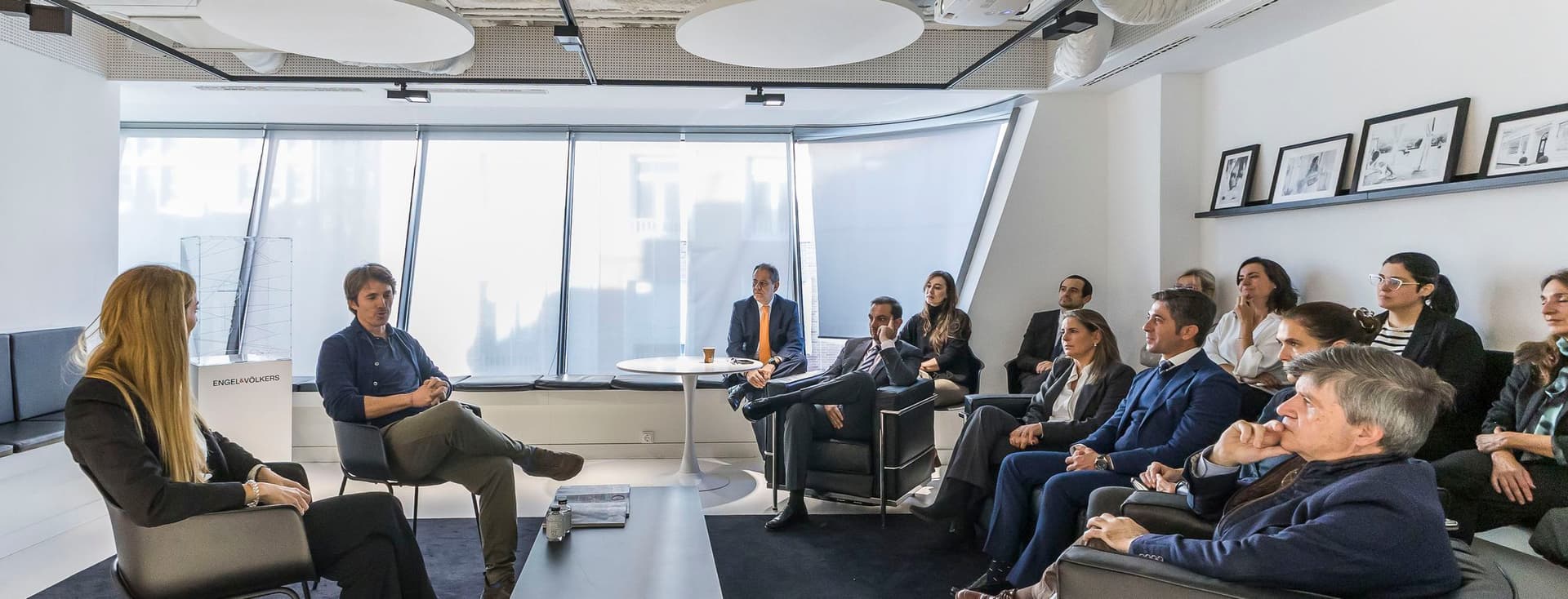
Nino Redruello is much more than a chef: he's a leading figure in Spanish hospitality who has successfully combined family tradition, innovation, and a deeply human leadership style. Raised in the kitchen, he has transformed his restaurants into authentic dining experiences, where caring for people is as important as the dining experience itself.
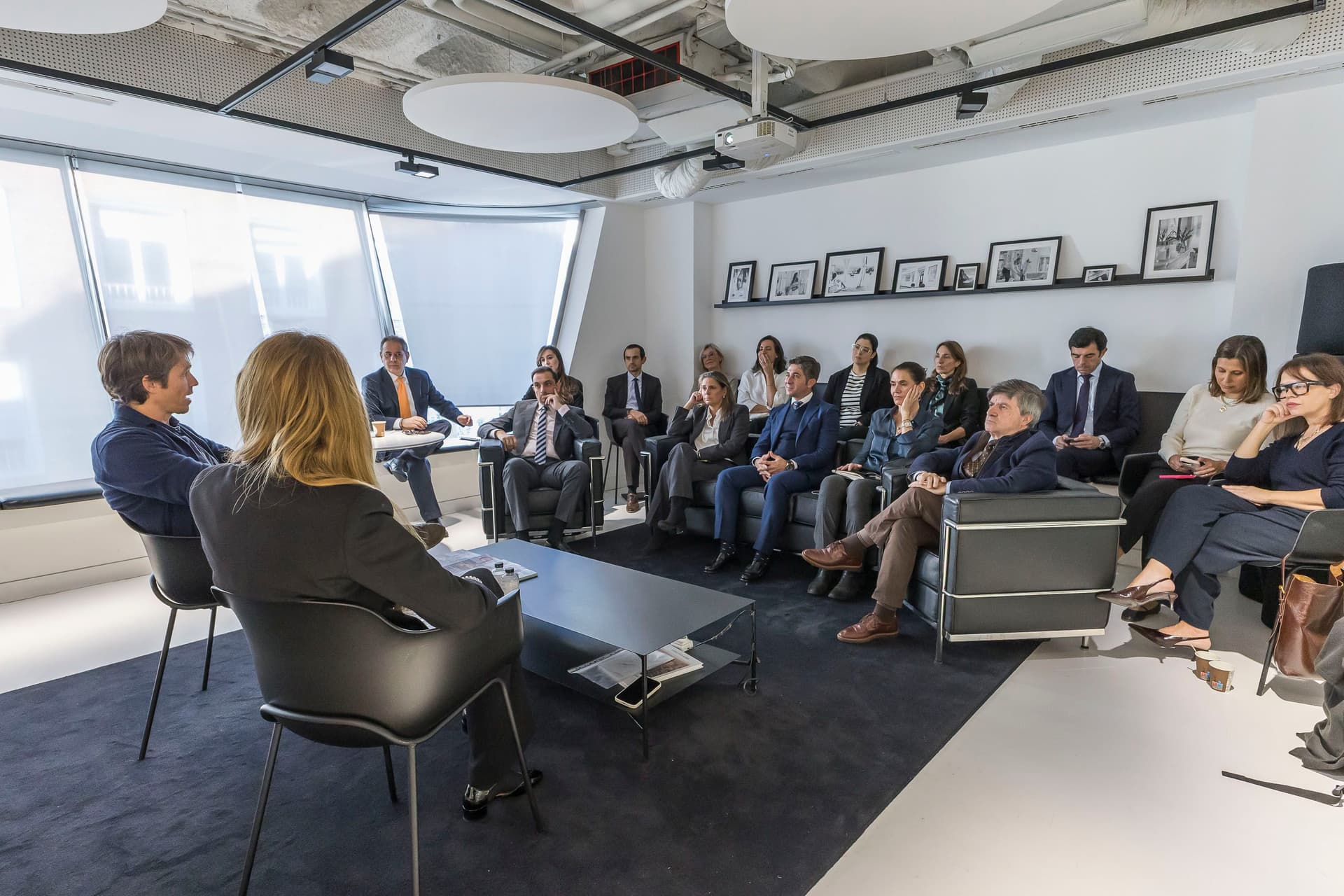
At the end of November, we had the pleasure of speaking with him at our offices during the first E&V Talks event, an intimate chat aimed at our teams that resonated naturally with our campaign, a tribute to the moments shared at home: “At Engel & Völkers, we believe in homes that are truly lived in,” because where there is love, there is a home. This campaign pays homage to those places where cooking, sharing, and memories are made.
In this conversation, the chef and entrepreneur spoke to us about vocation, family legacy, and how to grow without losing sight of what's essential: people.
Calling, family, and first steps in the kitchen
Nino defines himself above all as a chef, a profession that has been part of his life since childhood. He grew up in a family of tavern owners, where hospitality was not just a job but a way of life. Although he inherited the trade, he acknowledges that he was fortunate—and capable—of falling in love with it over time.
From a very young age, he understood that cooking goes far beyond the dishes themselves: it is a language full of symbols, details, and emotions. For him, every decision in a restaurant reflects a way of understanding the world, connecting with others, and caring for everyone who walks through the door.
The weight of legacy and the responsibility to continue
Growing up hearing stories of hard work from his grandfather and great-grandfather profoundly shaped his character. As a teenager, he felt the weight of continuing a centuries-old tradition—a responsibility that caused him insecurity and fear of making mistakes for many years.
This pressure coexisted with his learning in great temples of haute cuisine like El Bulli, where he experienced extreme creativity and constant amazement. However, it was when he returned to his family’s restaurants that he understood the true value of his roots: simple, honest, and deeply emotional cooking.
Creativity, identity, and natural growth
His experience in haute cuisine opened his mind but also helped him reaffirm his identity. His family’s projects never started from grand strategic plans but from intuition and the desire to propose something new without losing their essence.
Restaurants such as La Ancha, Fismuler, and La Gabinoteca arose from this creative curiosity and a love for hospitality understood as a cultural and social proposition. Growth came organically, always focused on ensuring every service went well and every customer left satisfied.
The leap toward professionalization
Over time, that impulsive growth began to show its limits. Nino recognizes that managing a business based solely on constant presence and personal sacrifice was no longer enough.
The turning point came with the addition of an external general manager, who helped professionalize the structure, break inherited paradigms, and provide the company with processes, departments, and a long-term vision. Although the fear was significant, the results showed that change was necessary.
Today, the company has a solid organization, greater control, the ability to attract talent, and sustainable growth, all without losing its family identity.
Leadership, people, and a new way of doing hospitality
One of the most powerful messages from Nino’s talk is the importance of people. He recalls a period when stress prevented him from listening to his team’s problems, and how that moment became a turning point.
Since then, he decided he did not want to build a successful business at the expense of human well-being. He focused on surrounding himself with specialists, defining mission, vision, and values, and creating an environment where people feel cared for, heard, and proud of their work.
Far from the image of an omnipotent leader, Nino emphasizes learning to ask for help, delegate, and trust. This change transformed not only the company but also his approach to hospitality.
Tradition, high standards, and humanity
Through family memories, Nino reflects on hospitality in the past: a hard, demanding era with little awareness of emotional well-being. Without rejecting that culture of effort, he advocates for a necessary evolution toward more humane, professional, and sustainable models.
For him, true tradition is not about repeating formulas but about caring for people and doing things well, adapting to the times without losing the soul.
Caring for the team day by day
Nino explains that small details make a difference. For example, staff bathrooms are designed like customer bathrooms, with the same care and attention—a simple gesture with a clear message: everyone is equally important.
This care, built gradually, translates into better business performance. When people feel valued, everything flows more smoothly.
Managing stress in the kitchen
Kitchen work is intense and demanding. To reduce the impact of stress, Nino advocates leading by example, developing leadership skills, and giving teams the autonomy to define their own strategy in each restaurant.
He also incorporates small daily rituals: playful activities, mindful breaks, or shared moments of silence at the end of the day. Simple gestures that help create a more human and cohesive environment.
A tribute to the moments shared at home
Where there is love, there is home
For Nino, love is the core of cooking. Cooking with love is not optional; it is an act of generosity. His restaurants are like family homes, where every gesture comes from care and gratitude.
“We are mirrors reflecting the rays we receive,” his father used to say. Serving is caring, and caring is transforming a space into a home.
Cooking as the heart of the home
At home, everything revolves around the kitchen. Cooking for others is offering time, energy, and joy for their well-being. This is where the energy of love is concentrated, where memories are built, and a sense of home is created.
Creating homes: the true success in hospitality
Nino Redruello’s philosophy combines conscious leadership, gratitude, and love for cooking. Every detail—from a daily gesture to a shared ritual—reflects his commitment to people.
Because, as his story shows, hospitality is not just about cooking well; it’s about creating places where people want to be. True homes to be lived in.
You may also be interested in
&w=1920&q=75)


&w=1920&q=75)
&w=1920&q=75)
&w=1920&q=75)