&w=1920&q=75)
Erice
- 2 min.
The new GG website: Inspiring personalities, extraordinary places and exceptional properties. Discover now.
Architectural emblem of Sicilian feudalism
&w=1920&q=75)
Rural tourism or holidays are almost always associated with outdoor activities, contact with nature, participation in agricultural work or tastings of typical products. Too often, perhaps another aspect of rural culture is neglected: the rural architecture, which is intrinsically linked to the history and traditions of the rural world. Unfortunately, because of the development of the Italian countryside, many buildings were abandoned or incorporated into the urban fabric. One of the greatest expressions of rural Sicilian architecture is represented by the baglio.
The etymology of the word baglio, (Italian translation of the Sicilian word bagghiu),appears uncertain and can be traced back to various hypotheses and origins. In Sicily, this term defines a fortified building or farm with a large courtyard, and in more recent times only the internal courtyard of the farms, while in the province ofTrapani it leads more to the meaning of "fort" but without assuming the features of a castle.
The birth of the baglio dates back to the period of colonization of large areas of Sicily (then abandoned and uncultivated) by the local barons, between 1500 and 1700. Spain, which at the time dominated Sicily, requiring large quantities of cereals, had granted a "repopulation license" (the Licentia populandi), through which the Sicilian nobles came to found real villages in the surroundings of the original building (the so-called foundation cities). Expression of a feudal organization, the baglio was a large farm equipped with numerous lodgings, warehouses, stables and warehouses for tools, crops and for the owner's carriages. This is why the landowners and numerous peasants called to work during the year lived there for short or long periods.
The typical baglio featured a defensive construction that was closed to the outside world, with all openings facing inward toward a central courtyard. This distinctive design served both practical and security purposes. The residential section typically comprised one or more upper floors where the landowner and his family would comfortably retreat during Sicily's scorching summer months. These quarters were often lavishly furnished, emphasizing the owner's wealth and social standing.
The lower floors served more utilitarian purposes, housing farm workers and their families along with various storage facilities for agricultural products and equipment. This hierarchical organization reflected the social stratification of Sicilian rural society.
Many bagli also incorporated a rural church or chapel, either within the complex or nearby. These religious spaces allowed residents from neighboring farms to attend services without traveling great distances, further establishing the baglio as a central gathering point and community hub.
The perimeter walls, characterized by their lack of windows or openings, provided effective protection against potential raiders or thieves. Access to the compound was limited to a single large entrance gate, wide enough to accommodate carriages and wagons loaded with harvested crops or supplies.
Bagli were strategically positioned near water sources and typically built on elevated terrain, allowing the landowner to monitor the entire estate. The construction materials were consistently local: stone masonry held together with traditional mortar, floors paved with large stone slabs (locally called "balatuni") or pebbles. The roofing system typically featured wooden supporting structures with "scissors" trusses, beams, and strips, covered with terracotta bricks or tiles.
Two distinct varieties of bagli evolved in Sicily:
The Lordly Baglio (Bagli Padronali)
These more impressive structures featured a quadrangular layout with the courtyard fully enclosed. The main entrance consisted of a large wooden door, often decorated with intricate nail patterns reminiscent of oriental designs. This entrance was typically set within a lowered arch portal, sometimes adorned with wrought iron rosettes and occasionally topped with a balcony. An interior wall with a connecting door separated the owner's quarters from the workers' areas. Over time, additional houses were often constructed around these bagli, eventually forming small villages.
The Peasant Baglio (Bagli Contadini)
This simpler variant emerged later, toward the end of the 19th century, built by sharecroppers who independently managed portions of land granted by the estate owner. These rectangular structures featured less substantial walls with small, high windows and narrow slits for ventilation and light. The interior typically contained basic functional spaces: a stable, cellar, barn, and a multipurpose room for sleeping and eating. All rooms connected internally, with the single large entrance gate located in the stable area.
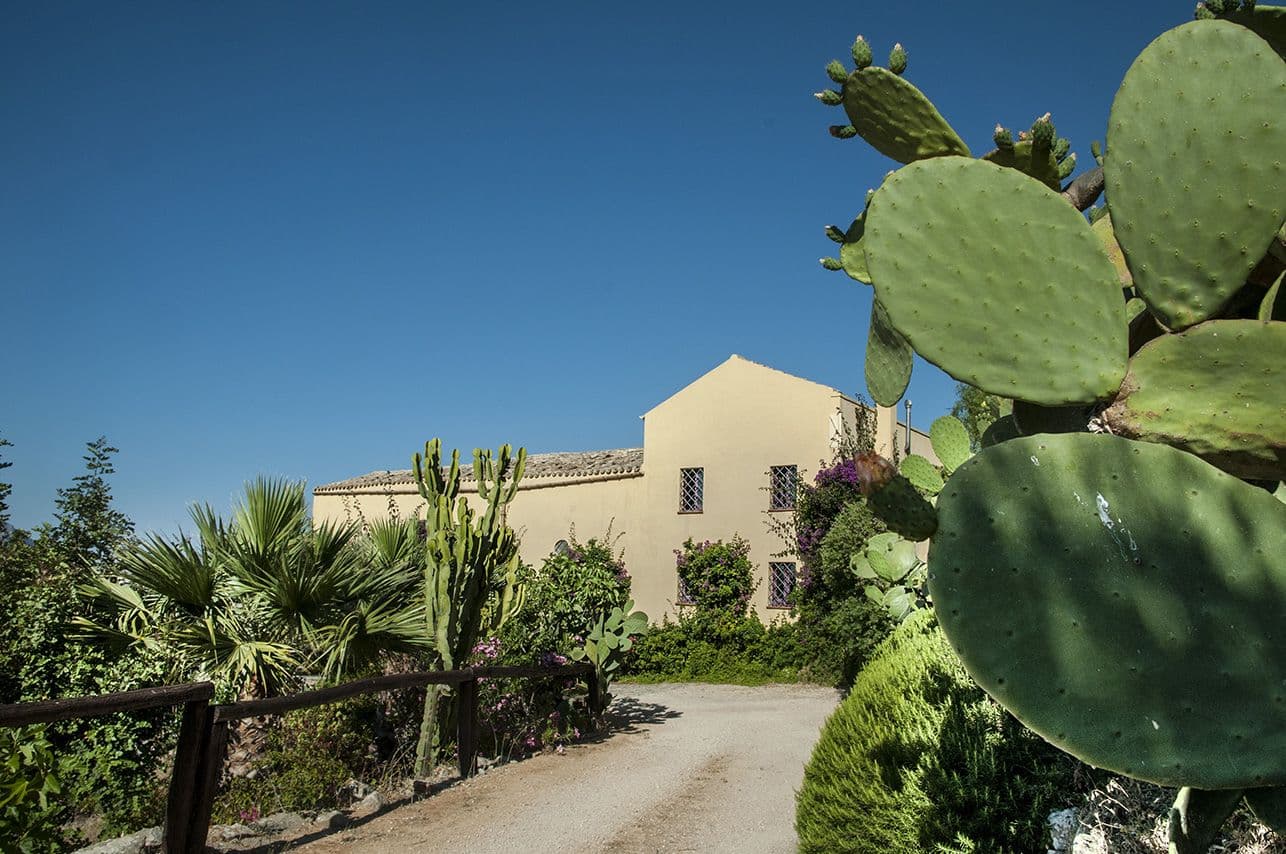
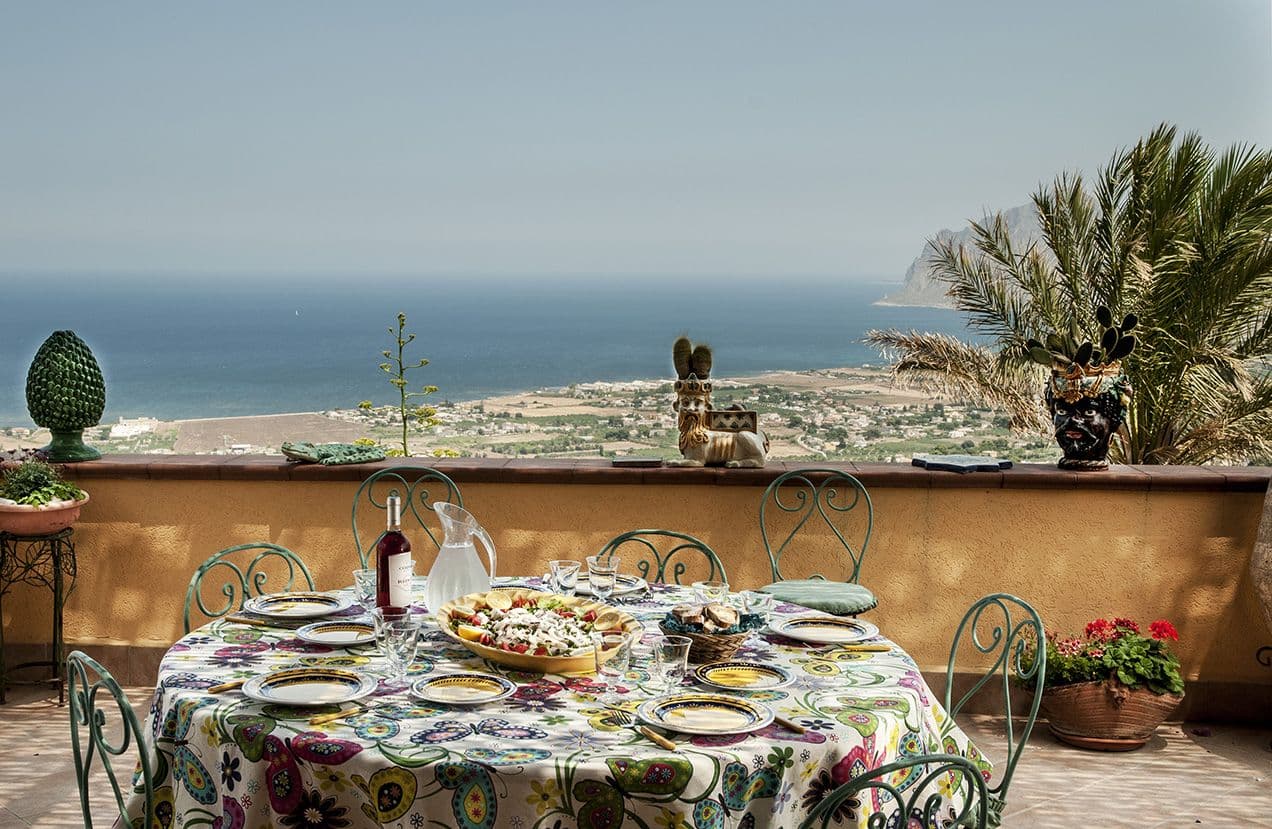
Today, these impressive structures can still be found throughout Sicily's agricultural regions. While many stand abandoned, others have been thoughtfully restored and repurposed as agritourism facilities, boutique hotels, museums, or private residences by those who appreciate their historical significance.
For travelers seeking to understand authentic Sicilian culture and history, these architectural treasures offer invaluable insights into the island's agricultural heritage and social organization. A visit to a well-preserved baglio provides a tangible connection to Sicily's rich past that cannot be found in guidebooks alone.
You may also be interested in
&w=1920&q=75)
&w=1920&q=75)
&w=1920&q=75)
&w=1920&q=75)
Contact provider

Page content provided by: Finest Properties West Sicily S.r.l.
License partner of Engel & Völkers Italia S.r.l.