Furnished or unfurnished?
Before deciding, find out how much your house is worth: request a free, no-obligation valuation online with Engel & Völkers.
You are about to put your house up for sale and there is a practical question you hadn't anticipated: what should you do with the furniture? Leave it all, remove it all, or keep only a few pieces? It seems like a secondary decision, but it isn't: it affects the price, the selling time, and even the type of buyer the property attracts.
In this guide we look at the differences between selling a furnished and unfurnished house, how to manage furniture in the contract, what to do with pieces you don't want to leave behind, and why in the luxury segment interior presentation matters more than elsewhere.
Table of Content
Selling furnished or unfurnished: the main differences
When decor increases value and when it penalizes it
How to manage furniture in the purchase contract
What to do with furniture you don't want to leave
The special case of luxury properties: decor and perceived value
Why rely on Engel & Völkers to enhance every aspect of the sale
The first thing to understand is that furnished and empty properties attract different buyer profiles. It is not a matter of better or worse in absolute terms: it depends on who you want to reach.
The furnished house interests those looking for a ready-to-move-in solution. Those moving from far away who don't want to manage buying furniture remotely. Those buying as an investment for short-term rentals who need the property to be immediately operational. Those who simply don't have the time or desire to deal with furniture. For these buyers, finding an already furnished house is concrete value, saving time, energy, and an additional expense.
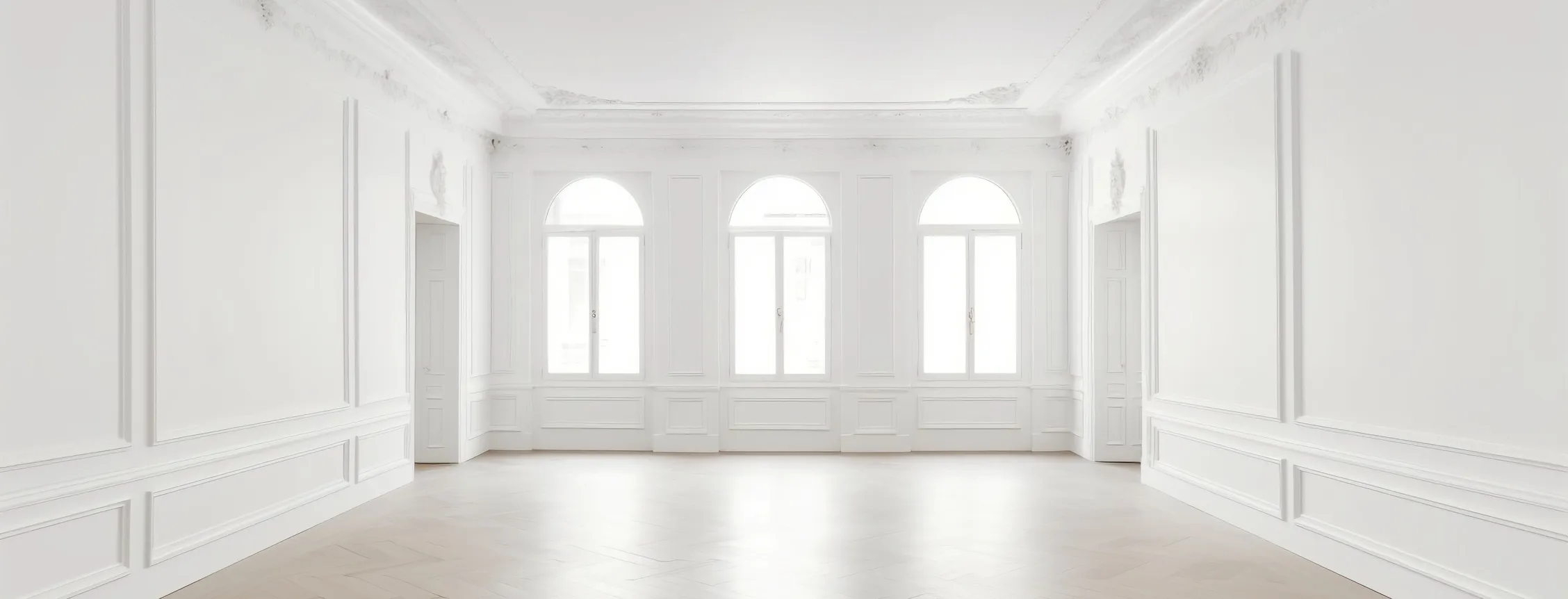
The empty house, on the other hand, interests those who want to customize. Those who already have their own furniture, those who wish to design spaces according to their own taste, those planning a renovation. For this profile, someone else's furniture is not an advantage but a hindrance, something they would have to get rid of anyway.
La prima cosa da capire è che arredo e immobile vuoto attraggono profili di acquirente diversi. Non è una questione di meglio o peggio in assoluto: dipende da chi si vuole raggiungere.
Before deciding, find out how much your house is worth: request a free, no-obligation valuation online with Engel & Völkers.
There is a widespread misconception: that a furnished house is automatically worth more. It is not so. Decor only increases value when it adds something; in many cases, in fact, it subtracts from it.
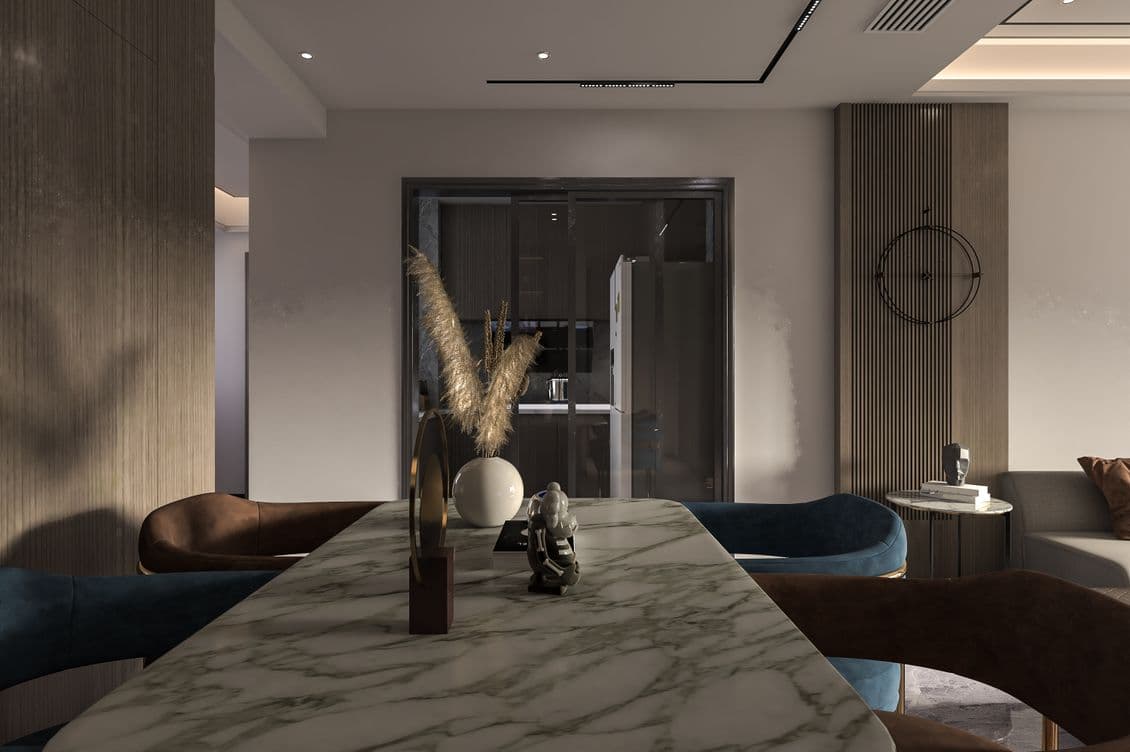
Outdated furniture or furniture of very personal taste risks penalizing the sale. In the luxury segment this is particularly true: a demanding buyer, faced with old furniture or a questionable style, struggles to perceive the potential of the property and focuses on what would need to change. In these cases, furniture does not enhance: it distracts, and sometimes makes the property seem less cared for than it is.
The case of quality furnishings is different. A well-maintained design kitchen, fine accessories, works of art, valuable pieces consistent with the character of the property can become a real enhancing element. Here, furniture is not a filler but part of the offer, contributing to the overall impression of quality.
When decor really has value, it is important to communicate it effectively. Specifying the presence of fine elements in the listing, describing them precisely, showcasing them in photographs: all this helps buyers perceive the furnishings as a concrete plus and not as an accessory detail. The difference between decor that adds value and decor that weighs it down often lies in how it is presented.
When the property is sold with furniture, it is important to properly manage the furnishings in the contract. The most orderly way is to prepare a detailed list of items included in the sale, so that it is clear to both parties what is part of the agreement and what is not. This avoids subsequent disputes and gives transparency to the negotiation.
A question that often arises is whether to assign a separate value to the furniture compared to that of the property. The distinction is correct on a practical level, because furniture is not part of the property and has its own autonomy. On the fiscal level, however, it is better not to take automatic savings for granted. In residential sales between private individuals, the price-value mechanism often applies, under which the registration tax is calculated on the property's cadastral value, regardless of the price indicated in the deed: in this case, unbundling the value of the furniture does not reduce the registration tax due on the property. In other situations, the calculation may work differently. For this reason, the best way to handle the tax aspect of furnishings is to evaluate it with the notary in relation to the specific case: they will be the one to indicate the correct formulation and any potential benefit.
A frequent case is that of the buyer who only wants certain elements and not others. Here too, the solution is clarity: defining in advance which pieces are included, which remain with the seller, and under what conditions, so that the contract reflects exactly the agreement reached. Agreeing on these details before the deed avoids misunderstandings in the final phase.
When deciding to sell the property vacant, or to keep some furniture for yourself, you need to manage what you take away. Options vary and depend on value and quantity.
For everyday furniture, the most common paths are moving and storage in a warehouse, waiting to allocate them to the new home; selling through online platforms or flea markets; donating to those who can reuse them; or professional clearance, the fastest solution when it comes to completely clearing the property in a short time.
Valuable pieces deserve separate consideration: antiques, designer furniture, works of art. Before deciding what to do with them, these elements deserve an independent valuation, conducted by those with specific expertise.
In the luxury segment, interior presentation is an integral part of property positioning. A valuable property is also sold through the atmosphere it manages to communicate, and decor contributes significantly to creating that impression.
Well-curated decor consistent with the style of the property helps the buyer perceive its character and quality during viewings. In a luxury property, spaces set up with taste and in harmony with the architecture tell a way of life, and this story affects the buyer's willingness to recognize the requested value.
For this reason, in luxury, completely emptying the house is not always the best choice. In some cases, it makes more sense to intervene on existing furniture—a restyling, a selection of the best pieces, the elimination of what clashes—rather than leaving rooms empty and devoid of character. The decision must be made case by case, assessing the condition of the furniture, the style of the property, and the buyer profile you want to reach.
The choice between selling furnished or empty, like the management of furniture, does not have a single answer valid for everyone: it depends on the property, the market, and the buyer you want to attract.
Engel & Völkers supports the owner right from the pre-sale preparation stage, with advice on how to present the property in the most effective way to intercept the right buyer profile. Valuation is made case by case, considering the characteristics of the property and the conditions of the reference market.
It is in this attention to operational details of the sale that the difference of a complete service is measured: seemingly secondary choices, like that of furniture, managed methodically can concretely impact the final result, in terms of price and time.
Give your choices the value they deserve: calculate the ideal price for your home with a professional, free, and no-obligation valuation by Engel & Völkers.
FAQ on selling a house furnished or unfurnished
It depends on the buyer you want to attract. A furnished house interests those looking for a ready solution or a short-term rental investment; an empty one interests those who want to customize spaces. The choice depends on property and market.
No. Outdated furniture or furniture of very personal taste can penalize the sale. Only quality furniture consistent with the property increases its real value.
Not always. In sales between private individuals with price-value, the registration tax is calculated on the cadastral value regardless of the price, so separating the furniture does not reduce it. Better to evaluate it with the notary.
Options are moving and storage, online or market sales, donation, or professional clearance. Valuable pieces deserve a separate valuation before deciding.
Not always. Well-curated furniture helps communicate the character of the property during viewings. Often a restyling of existing furniture makes more sense than leaving rooms empty and lacking atmosphere.
You may also be interested in