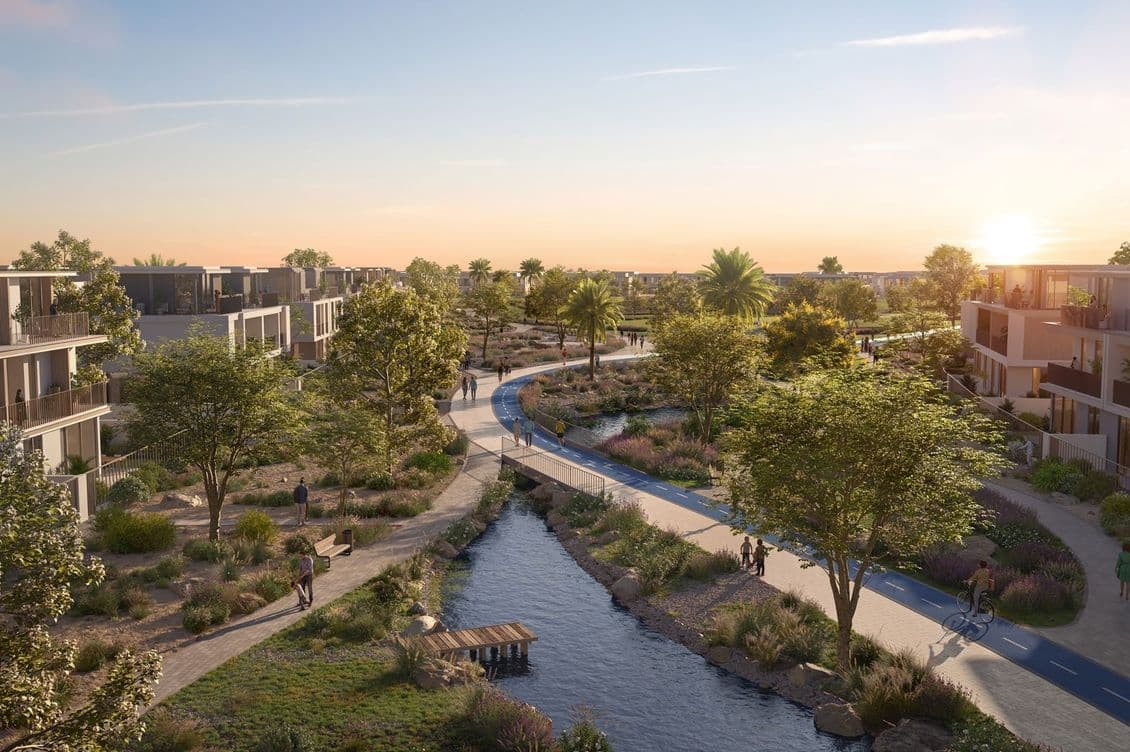
Explore real estate opportunities in Dubai’s growth areas
Long-term development strategies are shaping where future demand may concentrate. Speak with an Engel & Völkers advisor to identify property opportunities today.
The new GG website: Inspiring personalities, extraordinary places and exceptional properties. Discover now
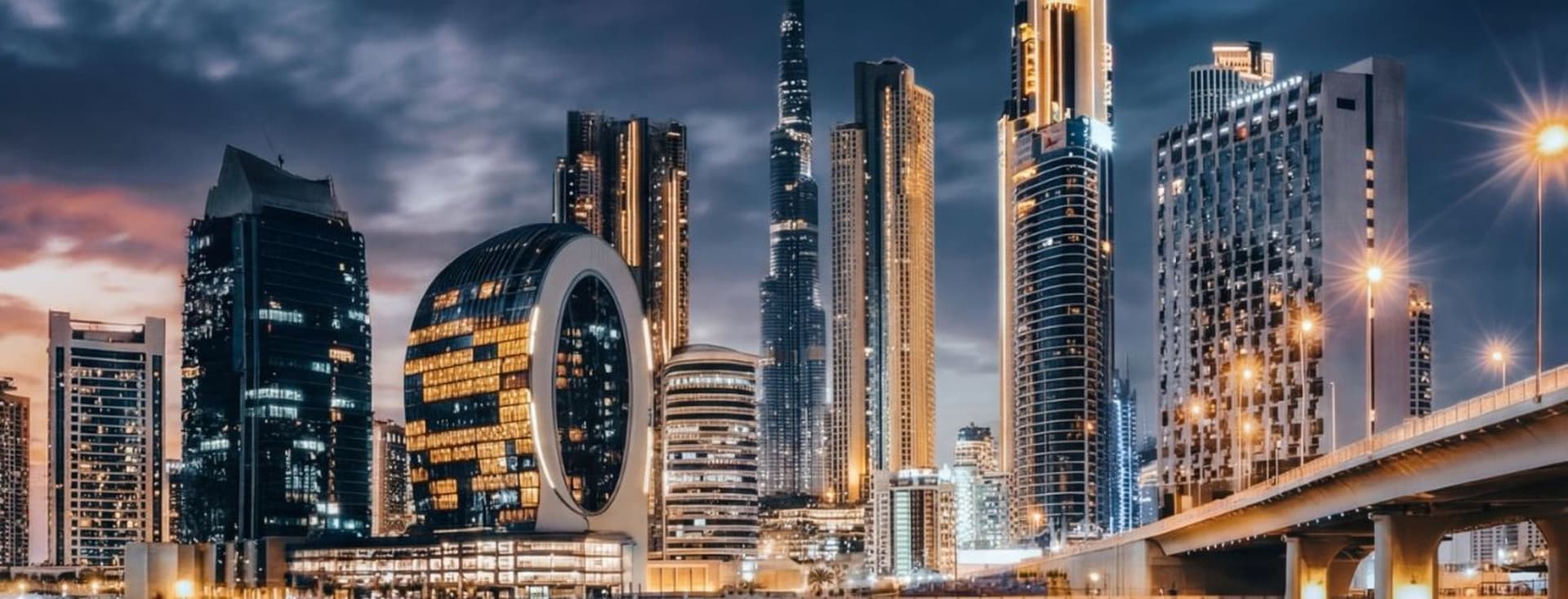
Key Takeaways:
Dubai Vision 2030 outlines strategic growth across infrastructure, innovation, sustainability and economic diversification
UAE Vision 2030 and related national strategies support long-term economic resilience and global competitiveness
Major infrastructure, technology and sustainability initiatives will influence future development patterns and real estate demand
Understanding the Dubai 2030 vision helps investors identify areas positioned for long-term growth
Dubai Vision 2030 represents a broad strategy guiding the emirate’s economic growth, infrastructure investment and innovation throughout the decade. Rather than a single policy document, the Dubai Vision 2030 reflects a collection of government initiatives designed to strengthen economic diversification, expand infrastructure, advance sustainability and position Dubai among the world’s leading global cities.
Many initiatives contributing to the Dubai 2030 Vision align with broader national ambitions under UAE Vision 2030, which emphasise innovation, advanced technology, sustainable development and global competitiveness. Together, these strategies are shaping how Dubai evolves as a business hub, tourism destination and investment centre.
In this article, we explore the Dubai Vision 2030 to help businesses, investors and residents understand what it is, the opportunities it creates and how it is playing a vital role in Dubai’s growth.
Table of Content
What Is Dubai Vision 2030?
The Strategic Pillars Shaping Dubai’s Growth
Dubai’s Economic Ambitions Leading Up to 2030
Major Infrastructure & Mega Projects Supporting Dubai’s 2030 Vision
How Dubai Vision 2030 Impacts the Real Estate Market
Areas Expected to Benefit the Most by 2030
Why Global Investors Are Watching Dubai Closely
What Happens After 2030? The Long-Term Outlook
Dubai Vision 2030 is a strategic direction that guides economic growth, infrastructure investment, and innovation across the emirate through to the end of the decade.
Unlike a single document, Dubai Vision 2030 is a set of government strategies that together shape Dubai’s development. These initiatives focus on diversifying the economy, strengthening global competitiveness and enhancing the quality of life for residents and businesses.
Many initiatives contributing to the Dubai 2030 Vision include sector-specific programmes and long-term economic strategies launched over the past decade. Examples include:
Dubai Industrial Strategy 2030
Dubai Autonomous Transportation Strategy
Dubai 3D Printing Strategy
Clean energy and sustainability initiatives
Smart city and digital transformation programmes
These initiatives align with the UAE Vision 2030's broader national ambitions, which emphasise economic diversification, innovation, sustainability and knowledge-driven industries.
Dubai’s long-term strategy focuses on several interconnected priorities aimed at strengthening the emirate’s global position.
| Strategic Pillar | Explained |
|---|---|
Economic diversification | Reducing reliance on hydrocarbons remains a central objective of the Dubai 2030 Vision. Today, sectors such as tourism, logistics, financial services, technology and real estate contribute significantly to Dubai’s economy. |
Innovation and digital transformation | Government initiatives promote the adoption of artificial intelligence, blockchain and smart city systems across industries. Digital government services, automation and connected infrastructure support efficiency and attract international businesses. |
Sustainability and clean energy | Environmental sustainability forms a key component of UAE Vision 2030 and Dubai’s own development strategy. Projects such as large-scale renewable energy infrastructure and sustainable urban planning aim to reduce environmental impact while supporting future economic growth. |
Infrastructure and mobility | Transport networks, airports, logistics facilities and smart mobility solutions are being expanded to maintain Dubai’s position as a global hub connecting Europe, Asia and Africa. |
Quality of life and talent attraction | Investment in healthcare, education, cultural initiatives and public spaces strengthens Dubai’s appeal as a destination for international talent and entrepreneurs. |
Dubai aims to reinforce its position as a global leader in business, lifestyle and tourism by the end of the decade. Growth across multiple sectors supports this objective. Key industries expected to expand include:
Technology and artificial intelligence
Financial services and fintech
Logistics and aviation
Tourism and hospitality
Healthcare and life sciences
Strategic initiatives also aim to increase foreign direct investment, strengthen trade partnerships and accelerate innovation. Many policies aligned with the UAE Vision 2030 encourage private-sector growth and international collaboration. These initiatives help maintain Dubai’s reputation as one of the most business-friendly environments globally.
Strong economic performance ultimately drives population growth, employment opportunities and demand for residential and commercial property.
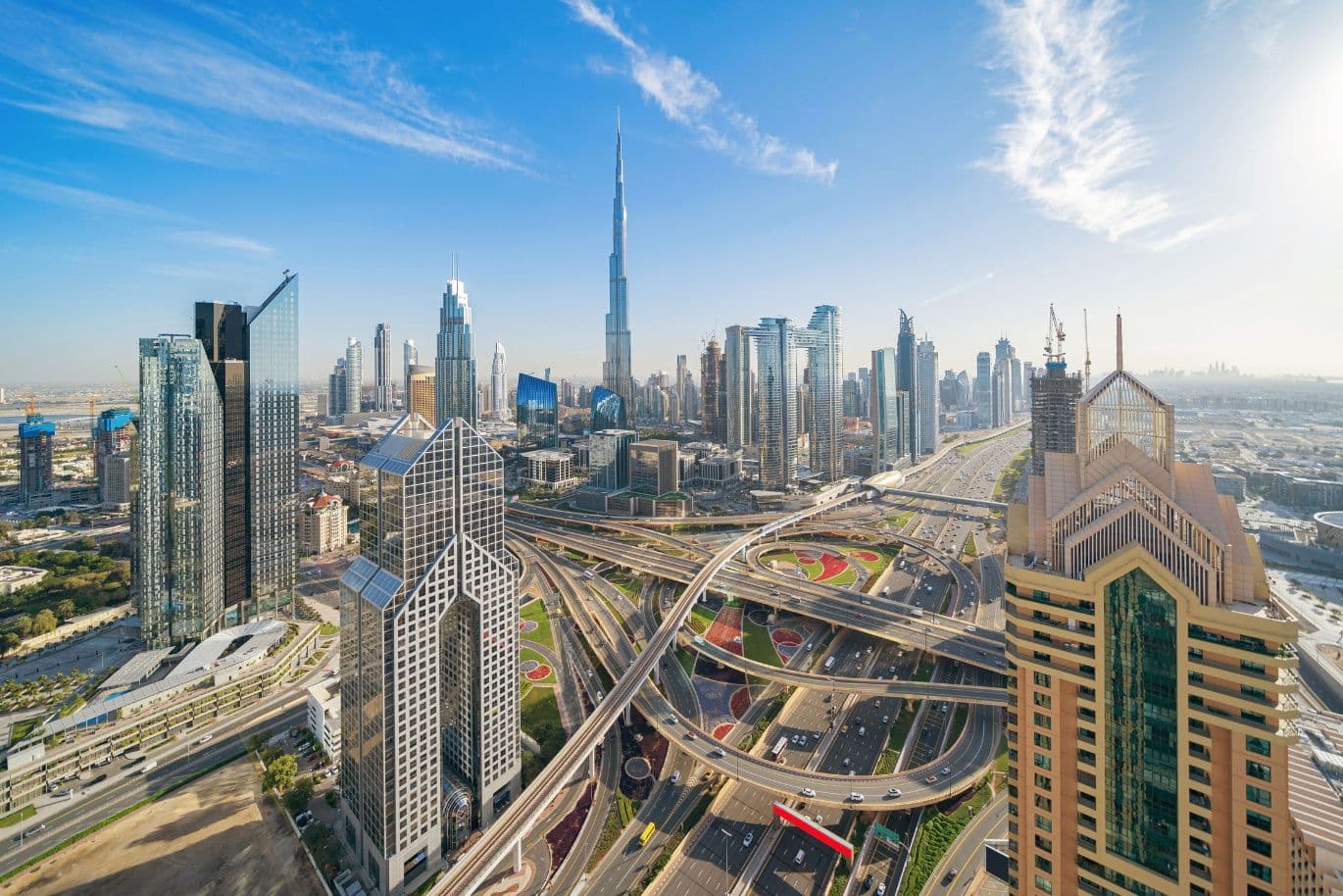
Several large-scale projects illustrate how Dubai Vision 2030 translates into tangible development across the emirate.
| Strategy Or Project | Focus |
|---|---|
Mohammed bin Rashid Al Maktoum Solar Park | Enhancing renewable energy infrastructure to support sustainability and long-term energy security |
Dubai Autonomous Transportation Strategy | Government initiatives promote the adoption of artificial intelligence, blockchain and smart city systems across industries. Digital government services, automation and connected infrastructure support efficiency and attract international businesses. |
Dubai Industrial Strategy 2030 | Manufacturing and industrial expansion to strengthen economic diversification |
Smart city initiatives | Digital infrastructure and data systems to improve urban efficiency and service delivery |
Logistics and aviation expansion | Enhance global transport connectivity to support trade and international commerce |
The Mohammed bin Rashid Al Maktoum Solar Park represents one of the most prominent sustainability projects linked to the UAE Vision 2030. Upon completion, the site is expected to become one of the largest single-location solar energy facilities in the world. This investment strengthens Dubai’s transition toward cleaner energy while supporting long-term economic resilience.
Mobility initiatives also form a central component of the Dubai 2030 Vision. The Dubai Autonomous Transportation Strategy aims to transition a significant portion of the city’s transport system toward autonomous mobility. Improved connectivity reduces travel times and increases productivity, which ultimately benefits businesses and residents.
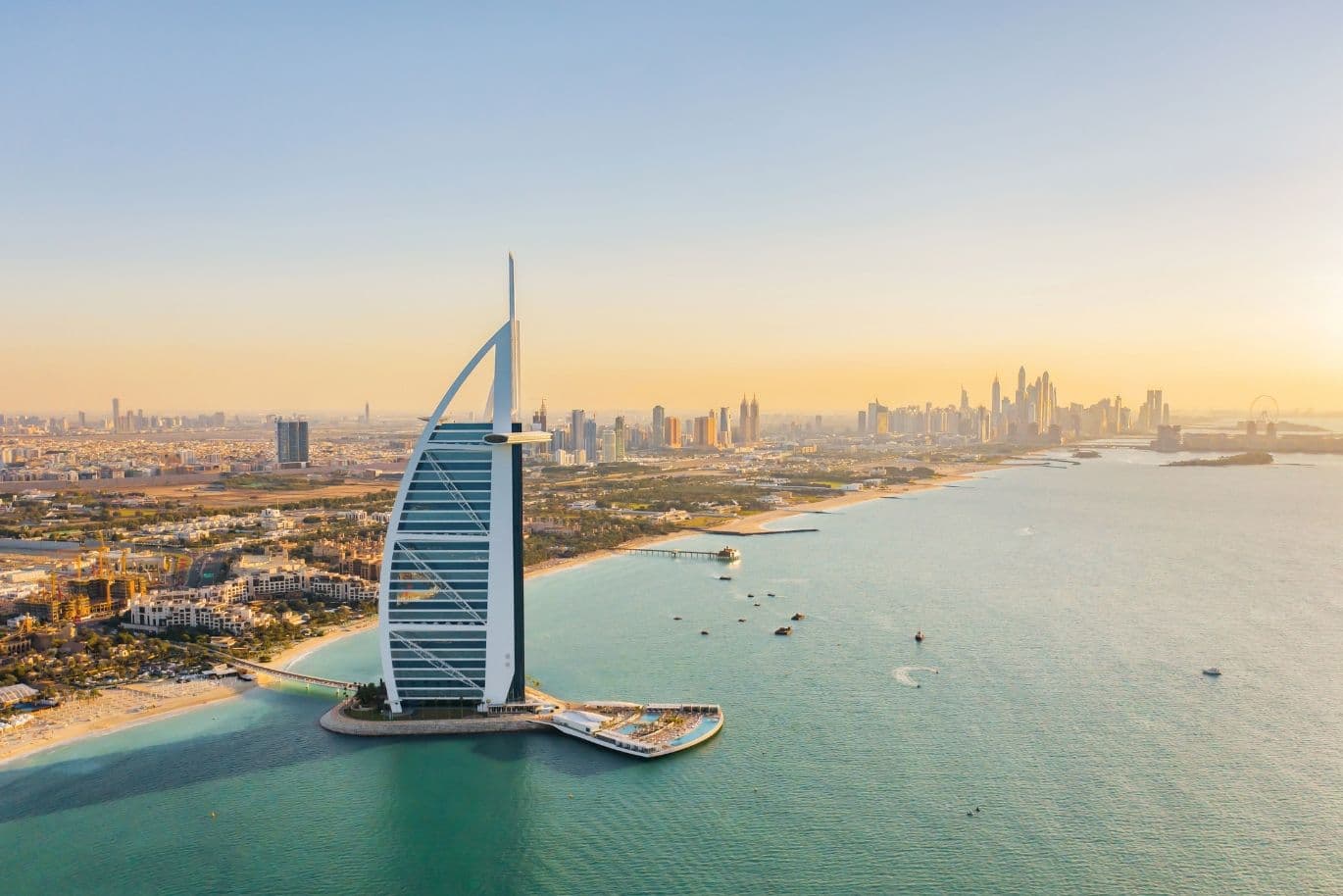
Strategic development plans influence real estate demand by shaping population growth, employment hubs and infrastructure expansion. As Dubai Vision 2030 progresses, several trends are expected to support property demand across the emirate.
Dubai’s population has grown rapidly in recent years, surpassing 4 million in 2025. The Dubai 2030 vision, which supports economic expansion, lifestyle appeal, and international talent attraction, is likely to drive further population growth.
A higher population will translate into more demand for homes, both in the sales and rental markets.
Growth in financial services, technology, tourism and international trade all support Dubai’s commercial real estate market. As new businesses open, expand, or relocate to the UAE, demand for offices and retail space are expected to increase.
Industrial real estate also benefits from policies linked to the UAE Vision 2030. Dubai’s position as a global logistics gateway supports demand for warehouses, distribution facilities and supply chain infrastructure.
Sustainability initiatives embedded in the Dubai 2030 Vision are increasingly influencing residential design. Energy efficiency, smart building technology and environmentally conscious planning are becoming more prominent features in new developments.
For investors, understanding these trends helps identify areas where long-term demand may strengthen.
Ultimately, the Dubai Vision 2030 is expected to drive economic growth, support business expansion and improve the quality of life for residents across the city. But, there are certain locations that could be particularly well-positioned to benefit from infrastructure investment and economic growth.
Dubai South sits close to Al Maktoum International Airport and major logistics corridors. Large-scale development around the airport and Expo City Dubai supports new residential developments like Golf Vale by Emaar and Windsor House II by Ellington, as well as commercial and industrial projects in this district.
The former Expo 2020 site continues evolving into a mixed-use urban district focused on innovation and sustainability. Expo City’s development aligns closely with objectives within Dubai Vision 2030, particularly those related to technology, sustainability and knowledge-based industries.
Several new residential projects have been recently announced in Expo City, including Terra Woods by Emaar and Ghadeer In Expo Valley Views.
Industrial zones around Jebel Ali Port remain critical to Dubai’s trade infrastructure.Expansion in logistics activity linked to UAE Vision 2030 may strengthen demand for industrial real estate and surrounding residential communities.
This waterfront district combines residential communities with retail, hospitality and leisure facilities. Its proximity to Downtown Dubai and expanding infrastructure, including the Dubai Metro blue line, makes it an important part of the emirate’s long-term urban growth.
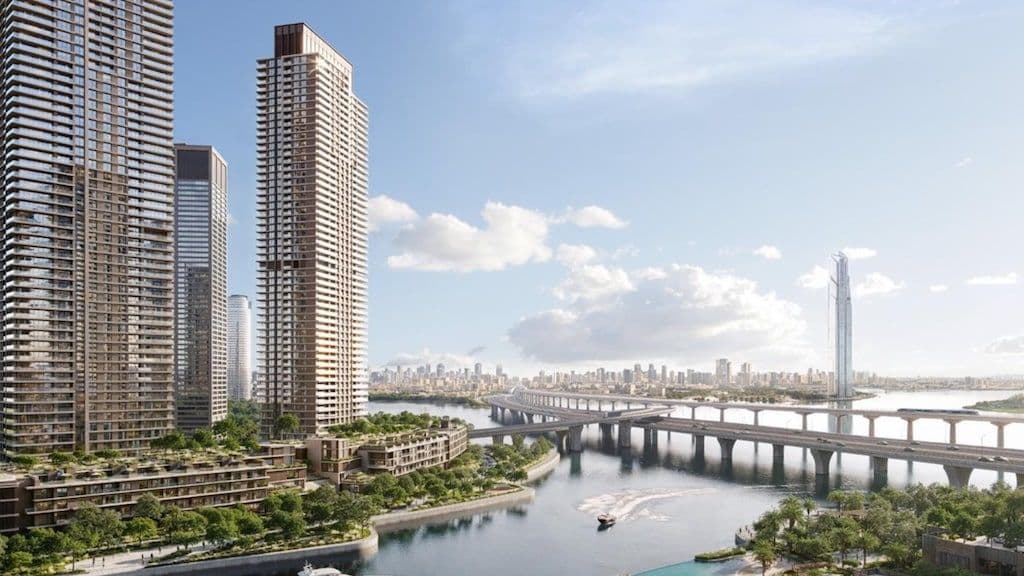
Dubai continues attracting global capital due to a combination of economic stability, regulatory transparency and infrastructure investment.
Several factors reinforce investor confidence.
Business-friendly policies: Foreign ownership reforms, long-term residency programmes and streamlined business regulations make Dubai attractive to entrepreneurs and multinational companies.
Strategic global location: Positioned between Europe, Asia and Africa, Dubai serves as a gateway for international trade and investment.
Infrastructure certainty: Large-scale infrastructure projects under Dubai Vision 2030 demonstrate the government’s long-term commitment to development.
Lifestyle appeal: High living standards, modern amenities and international connectivity continue drawing skilled professionals and global investors.
The ambitions associated with Dubai Vision 2030 extend well beyond the end of the decade.
Several long-term initiatives already shape development through the 2030s and beyond. These include major economic strategies, sustainability programmes and urban planning frameworks.
For example, the Dubai 2040 Urban Master Plan provides a spatial development framework guiding how land will be used across the emirate. Meanwhile, broader national strategies connected to UAE Vision 2030 aim to strengthen economic diversification and innovation.
In practice, 2030 represents an important milestone rather than a final destination. Dubai’s long-term strategy continues evolving as new industries emerge and global economic conditions change.
Explore real estate opportunities in Dubai’s growth areas
Long-term development strategies are shaping where future demand may concentrate. Speak with an Engel & Völkers advisor to identify property opportunities today.
Dubai Vision 2030 aims to strengthen economic diversification, infrastructure development, sustainability and innovation while enhancing Dubai’s global competitiveness.
The main priorities include economic diversification, digital innovation, infrastructure development, sustainability initiatives and improving quality of life for residents.
Dubai Vision 2030 focuses on economic and strategic development goals, while the Dubai 2040 Urban Master Plan provides a spatial framework guiding land use and urban growth.
Infrastructure expansion, economic growth and population increases linked to Dubai Vision 2030 are expected to support long-term demand for residential and commercial property.
Technology, logistics, financial services, tourism, healthcare and renewable energy are among the sectors expected to expand under the Dubai 2030 Vision.
You may also be interested in
Contact



Engel & Völkers Dubai
7th Floor, Al Khail Plaza
Jumeirah Village Triangle, Dubai, UAE
Tel: +971 4 4223500