Your Home in Moabit
Moabit in Transition – we guide you in finding the perfect rental or purchase property in this vibrant and diverse district.
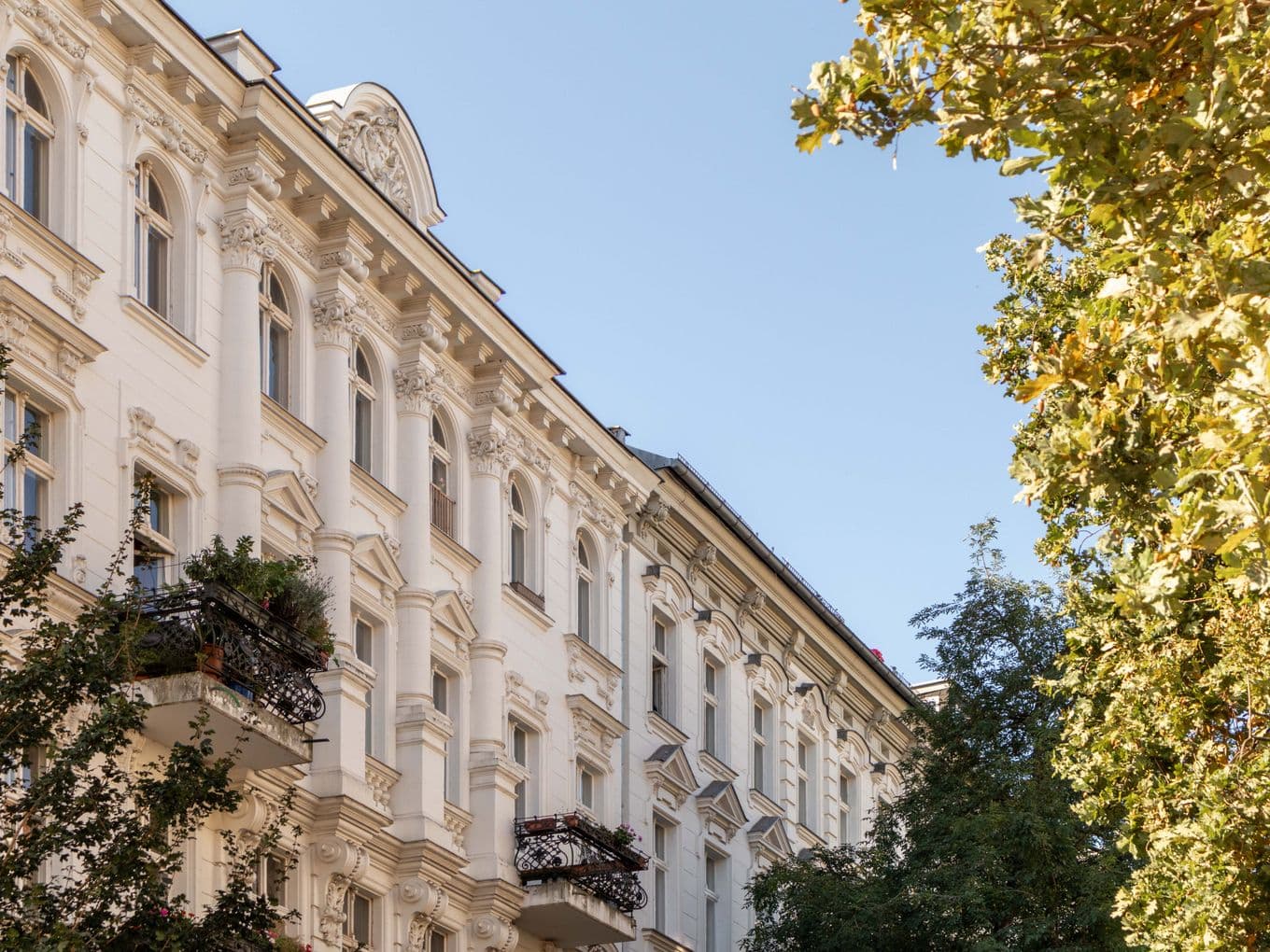
Centrally located, Moabit with its charming period buildings and quiet residential streets was long considered a hidden gem. This former industrial and working-class district, surrounded by waterways and canals, boasts a wealth of historic, mostly renovated architecture, well-established infrastructure, and numerous cafés and restaurants. Today, the rising popularity of the neighboring Wedding district is also influencing Moabit, making it a neighborhood with significant positive development potential.
Moabit has always been lively. Situated between leafy canals and the Spree, the district developed into a densely populated working-class neighborhood during the Industrial Revolution. After reunification, Moabit once again became part of Berlin’s central area. Today, the district north of the Tiergarten is multicultural and popular with students, as well as young families who appreciate the wide range of schools and leisure opportunities. The central station and excellent public transport network ensure perfect connectivity.
The bustling Turmstraße, with its small shops, supermarkets, and restaurants; the new Schultheiss Quarter with its diverse shopping options; and the historic Arminius Market Hall, offering culinary specialties from Peru, Austria, Vietnam, Canada, Lebanon, and Italy – Moabit has it all. This appeal is reflected in the local real estate market: the limited housing supply is highly sought-after, and price trends mirror the growing interest in this centrally located neighborhood.
&w=1920&q=75)
Our Portfolio
Moabit, Berlin, Germany
Price
€775,000
Moabit, Berlin, Germany
Price
€235,000
Moabit, Berlin, Germany
Price
€990,000
Moabit, Berlin, Germany
Price
€525,000
Moabit, Berlin, Germany
Price
€230,000
Moabit, Berlin, Germany
Price
€235,000
Moabit, Berlin, Germany
Price
€825,000
Moabit, Berlin, Germany
Price
€1,050,000
Moabit, Berlin, Germany
Price
€775,000
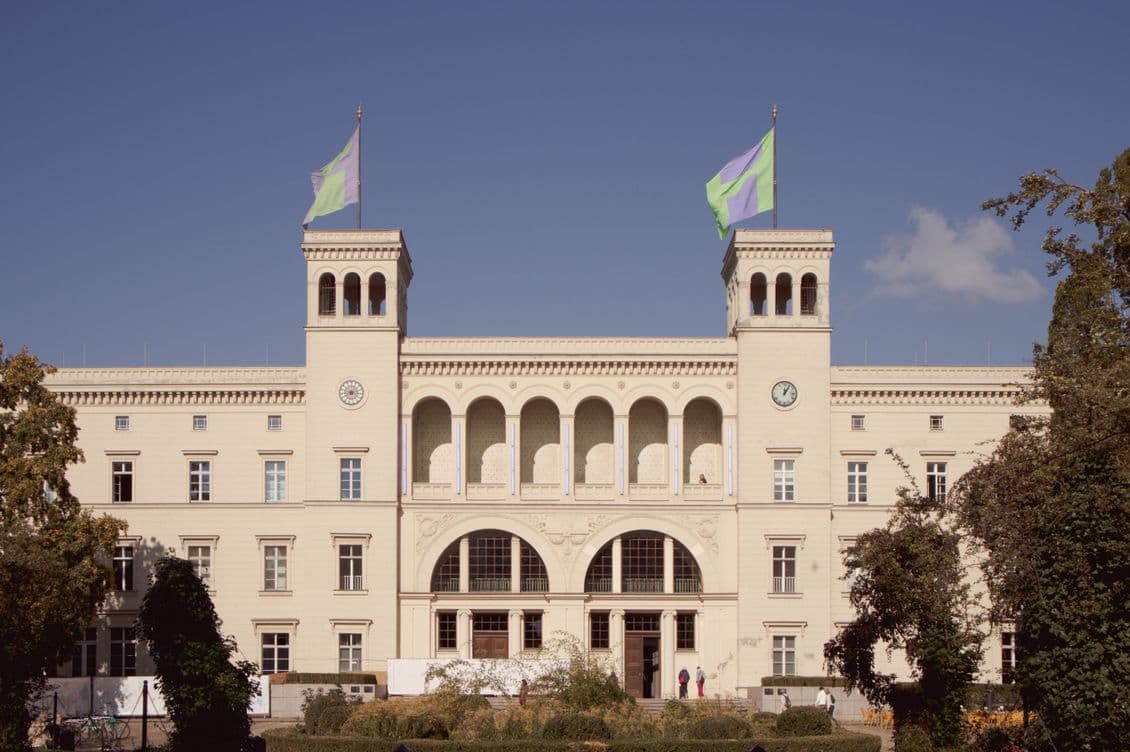
The main building of the former Berlin-Hamburger Bahnhof, dating back to the 1840s, is the only surviving structure of Berlin’s grand terminal stations. This late neoclassical building now houses one of the world’s most fascinating public collections of contemporary art. Highlights include large-scale works by Joseph Beuys, Andy Warhol, Robert Rauschenberg, and Cy Twombly, as well as sculptures and installations by Georg Baselitz, Elmgreen & Dragset, Bruce Nauman, and Dan Flavin. The museum’s temporary exhibitions are equally compelling, curated with great attention to deta
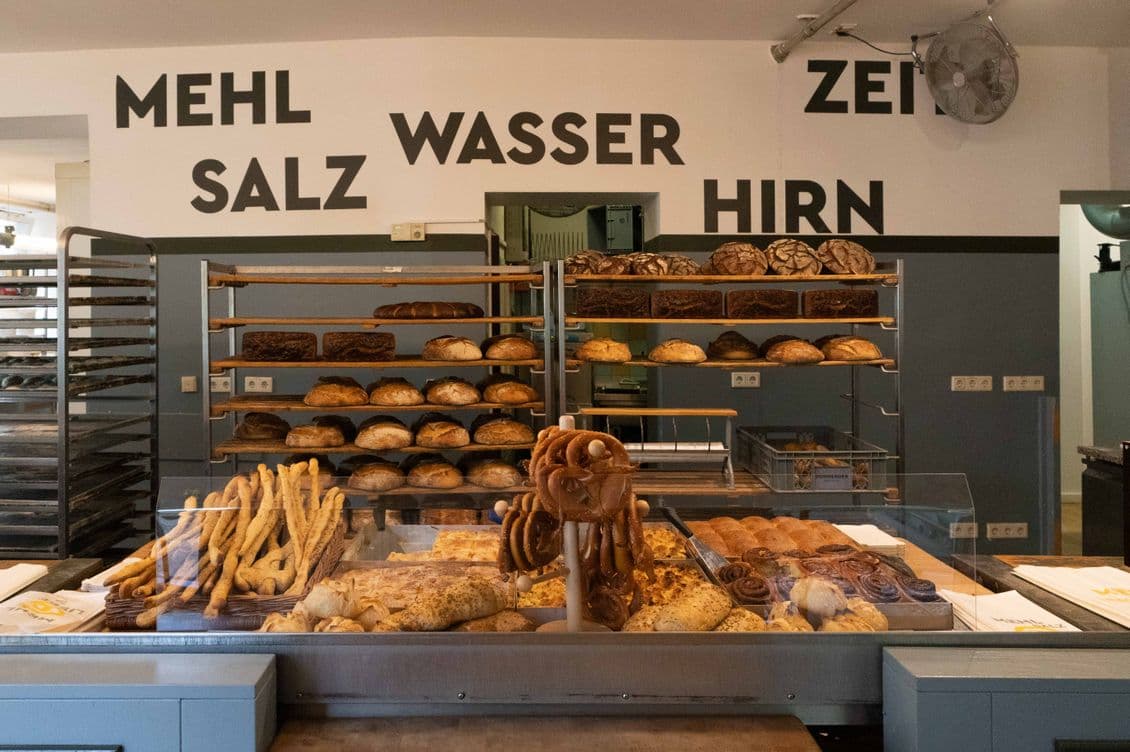
Sourdough bread as crusty as in London or Copenhagen? You’ll find it at Domberger Brot-Werk, a small artisan bakery on Essener Straße. Their light and dark sourdough loaves and rolls, made from organic flour from the Erzgebirge, water, and salt, are exceptionally flavorful. It’s no wonder that Domberger bread can now be found in some of the city’s finest restaurants.
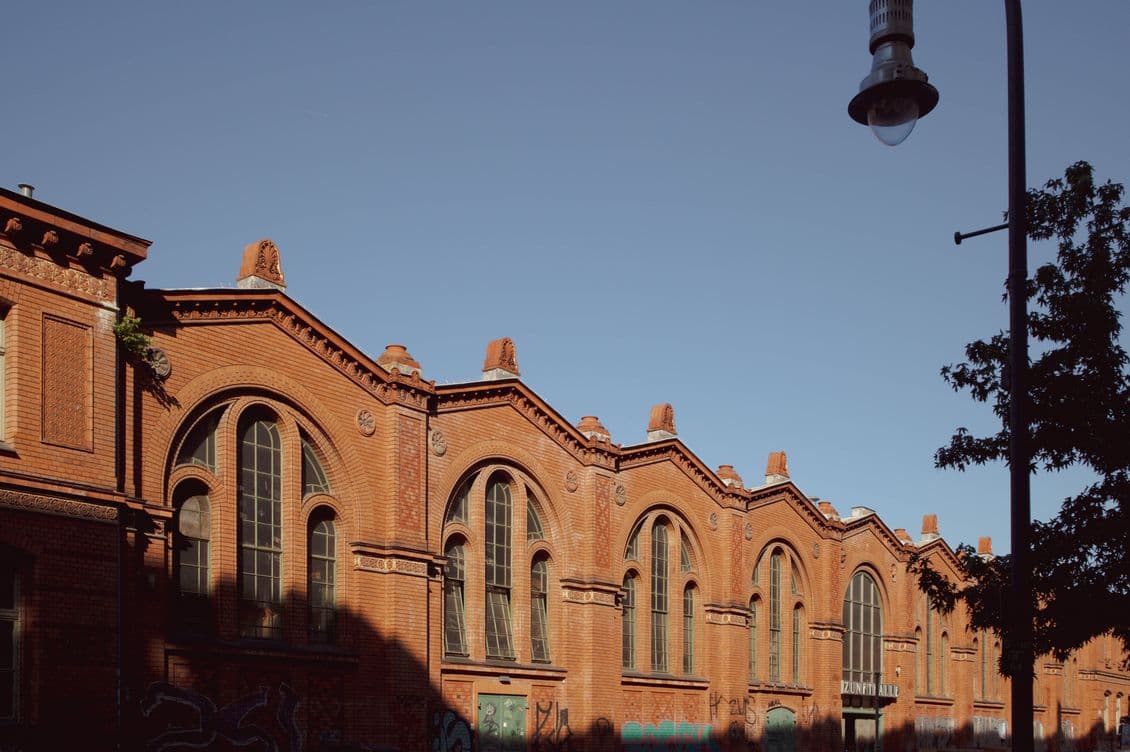
In this listed market hall, offering a wide selection of fresh fish, diverse gastronomy, and artisanal delights, there is something for everyone. The courtyard shop serves Austrian specialties such as schnitzel, Käsespätzle, and goulash. At the “Wohnzimmer” bar, guests can enjoy a curated selection of regional and international wines. For brunch, a Prosecco Butler awaits. Fans of American Southern cuisine can indulge at Pignut BBQ.

Fine dining since 1987, the restaurant combines German, French, and Russian culinary traditions to create its own distinctive definition of gastronomy – innovative, fresh, and focused on regional, seasonal ingredients.
1 out of 4
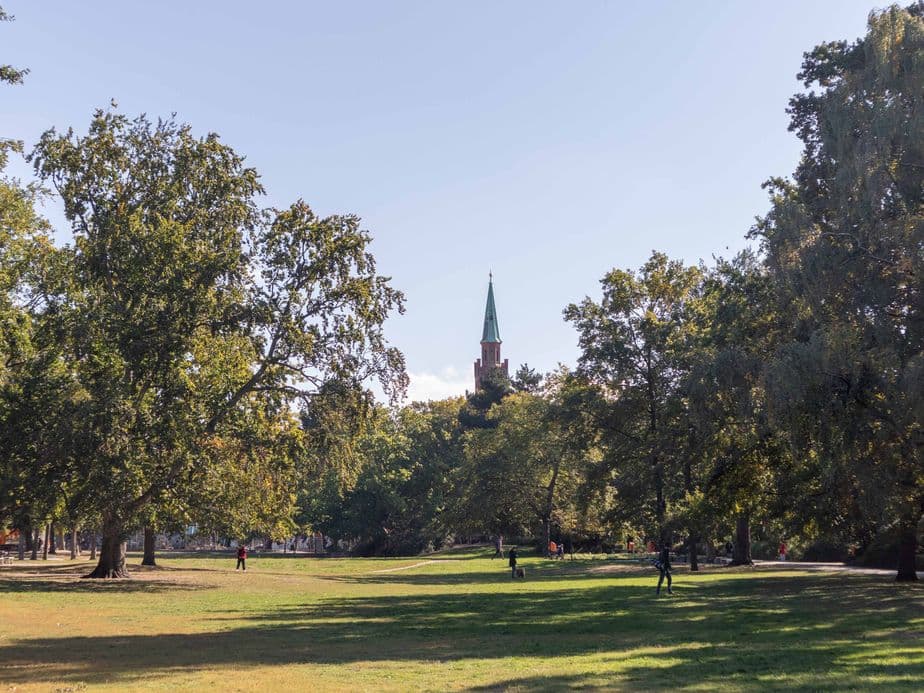
Moabit is a neighborhood with character and charm – and that’s exactly what makes it special. Surrounded by the Spree and its canals, the district feels almost like an island in the heart of the capital. Once a working-class quarter, it has become a lively and diverse area, increasingly popular with families, creatives, and professionals commuting to the city center. Its proximity to Mitte, Charlottenburg, and the government district makes Moabit an ideal choice for those seeking a central yet grounded place to live.
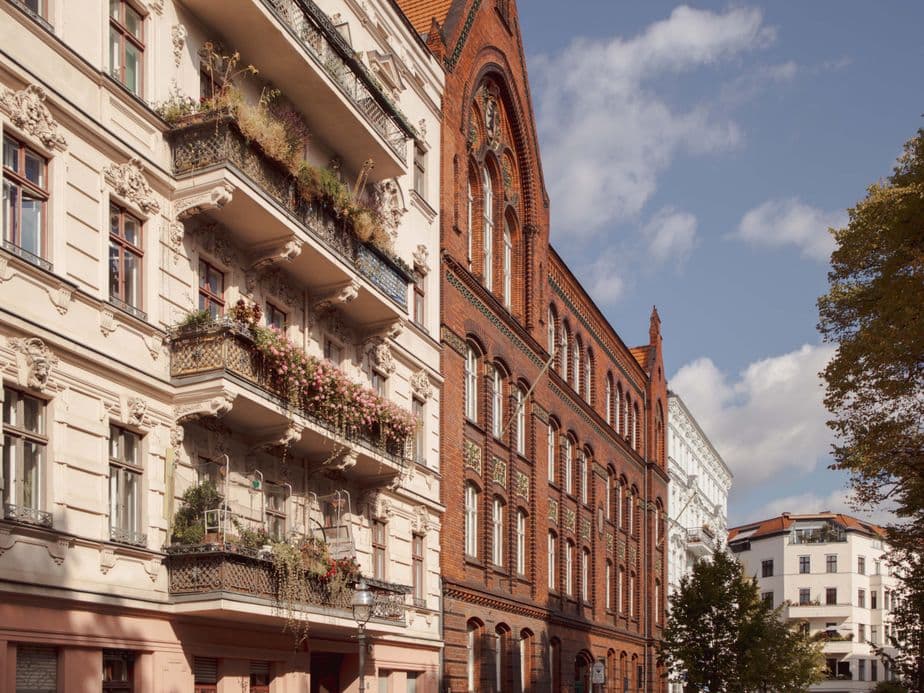
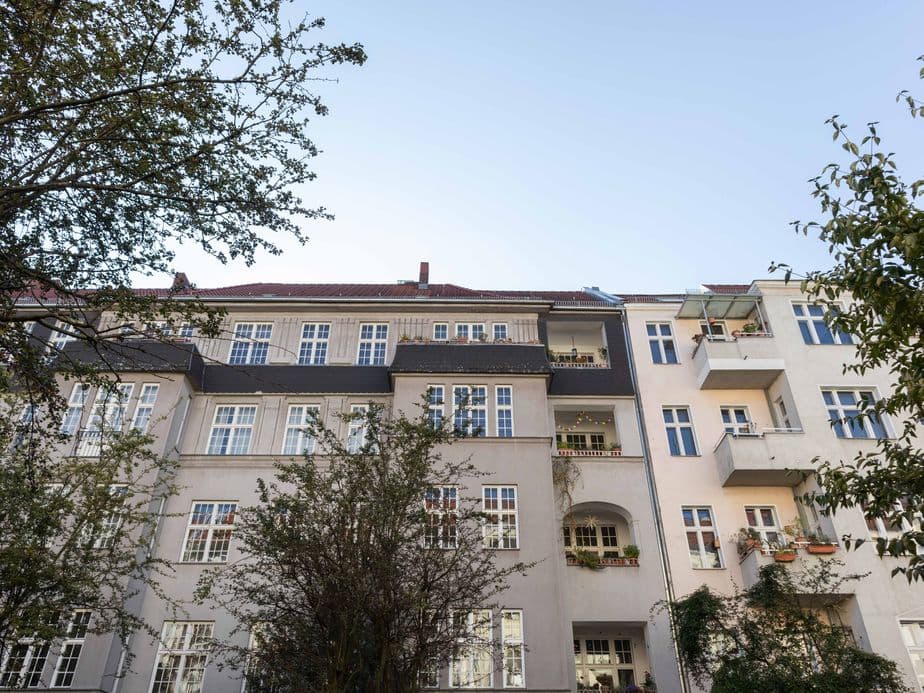
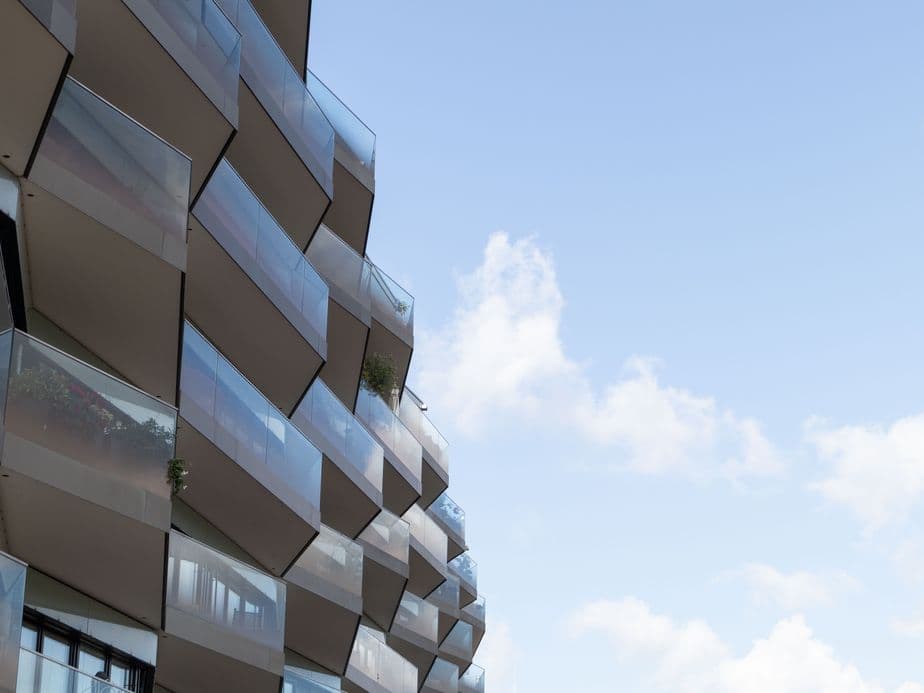
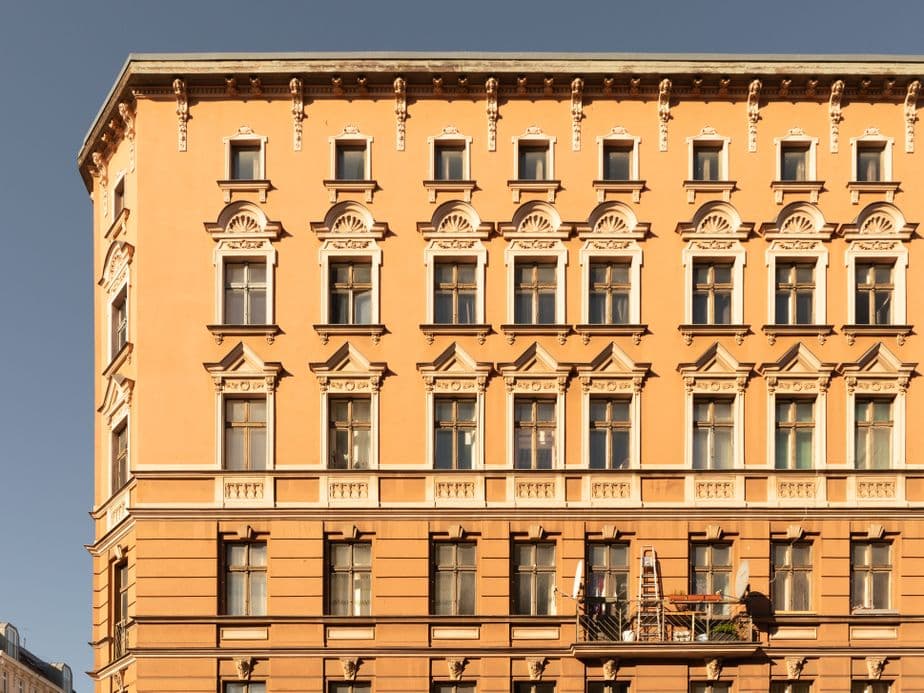
Architecturally, the district is defined by historic buildings with charming courtyards, renovated residential quarters, and, in some areas, contemporary new developments. Gründerzeit facades meet post-war architecture and industrial remnants – a fascinating mix that gives Moabit its unmistakable character.
&w=1920&q=75)
Where to live
Your Shop
Page content provided by: Engel & Völkers GmbH