- 3 min read
- 09.03.2026
- by Femke Maleen Fritz
Jan Kath Design – Tradition Rewoven
Issue
Online exclusive
Location
Bochum, Germany
Photography
Jan Kath Design
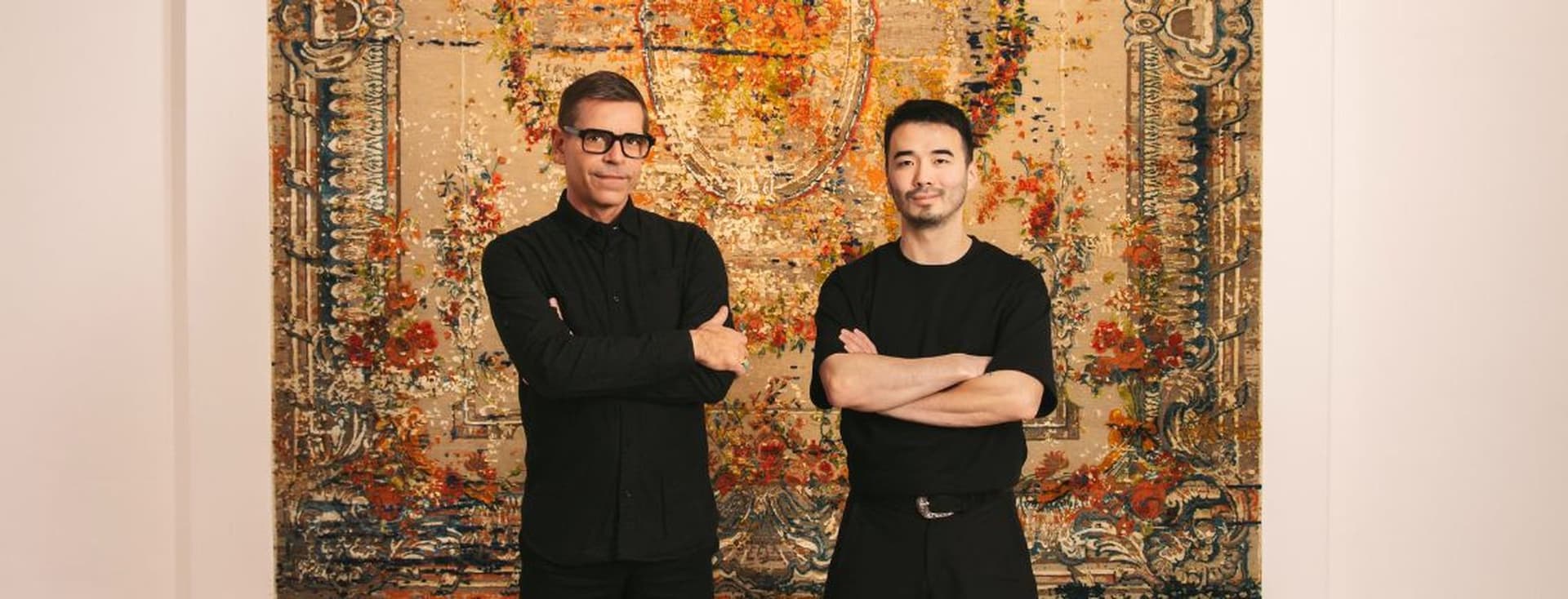
An old, light-filled factory loft as a creative headquarters? For Jan Kath Design, this is a reality. GG visited rug designer Jan Kath, who presented his latest collections in his Bochum showroom, right in the heart of the Ruhr region's iconic industrial architecture.
Industrial backdrop meets craftsmanship
Old steel beams, lifting cranes, and raw walls form an exciting contrast to the color-intensive, detailed rugs. Large-format pieces hang from the ceiling on temporary walls or lie artistically stacked on the hall floor; here, ancient craftsmanship and industrial scenery unite.
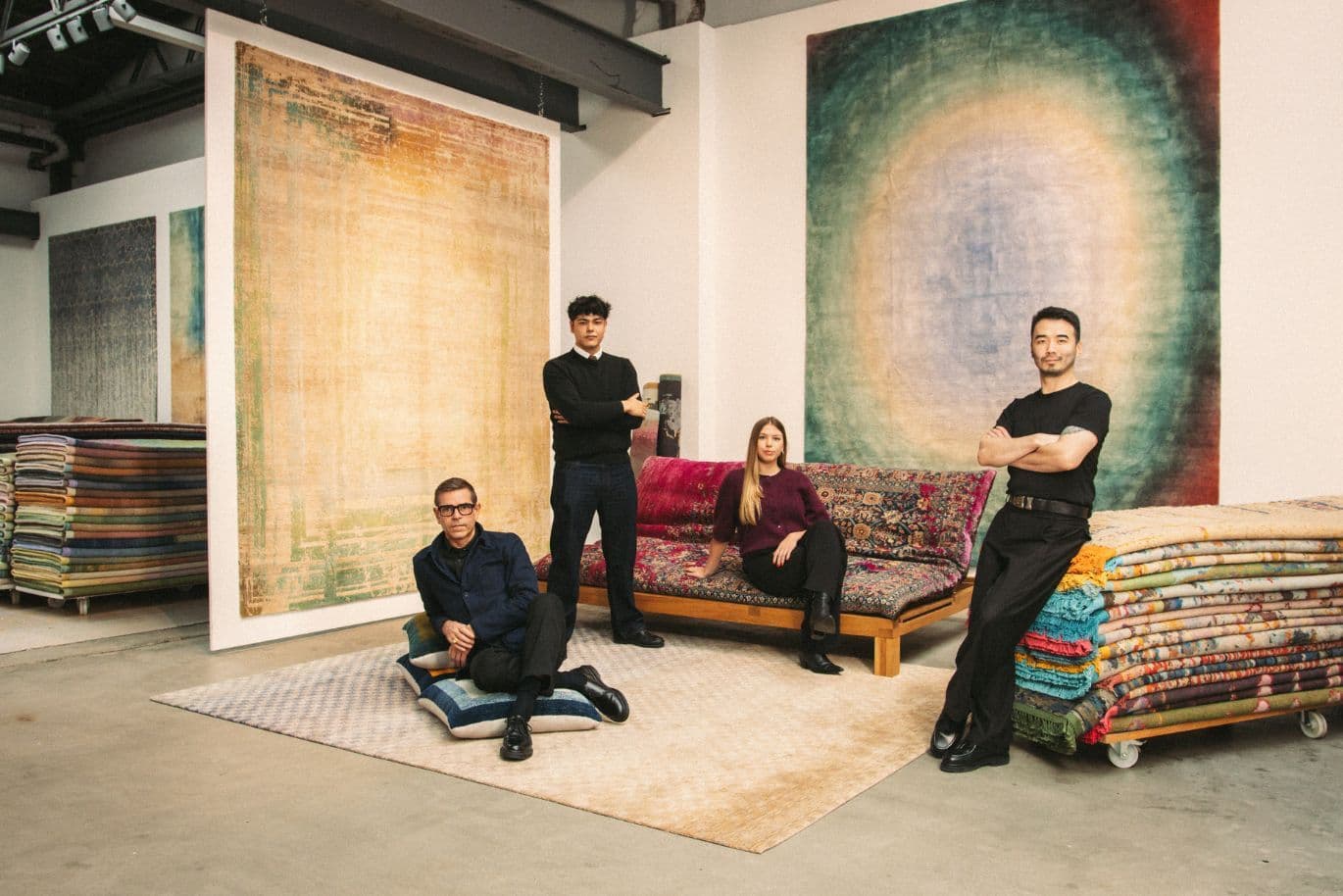
This fusion of opposites also shapes the designs of Jan Kath. No single style defines the label; rather, it is a consistent authenticity that is reflected in every rug. Traditional oriental patterns merge with modern, minimalist elements, while abstract color compositions stand alongside photorealistic motifs. The designs could hardly be more different—and yet they all bear the same signature.
At the heart of it all is the craft. Production is carried out exclusively using natural raw materials; even the yarn is made by hand. The rugs are knotted in Nepal, India, and Morocco. Within just 6.45 square centimeters—one square inch—there are between 100 and 450 knots. The precision and patience inherent in every rug became clear when guests were allowed to try knotting their first stitches in the Tibetan technique under the guidance of Sanchir Kath, the designer's son.
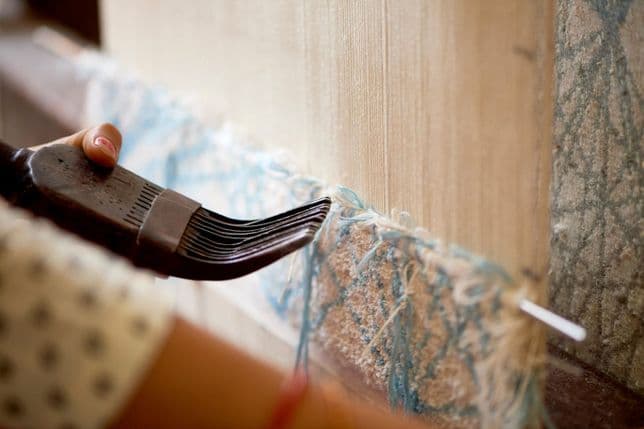

When it comes to craftsmanship, I am uncompromisingly conservative. We produce according to methods that have changed only insignificantly over centuries. Our wool is among the most robust qualities available. The sheep live in the highlands of the Himalayas. There, they are shorn by hand, the wool is combed and spun by hand, and finally—knot by knot, row by row—it is knotted by hand in the workshops.
Jan Kath
Traditional motifs in a new appearance
Jan Kath also views his work as a contribution to cultural preservation. Traditional patterns should not disappear but be reinterpreted for a contemporary generation. He finds inspiration in the aesthetics of nomadic tents and blankets as well as in historical rugs that can hardly be found today.
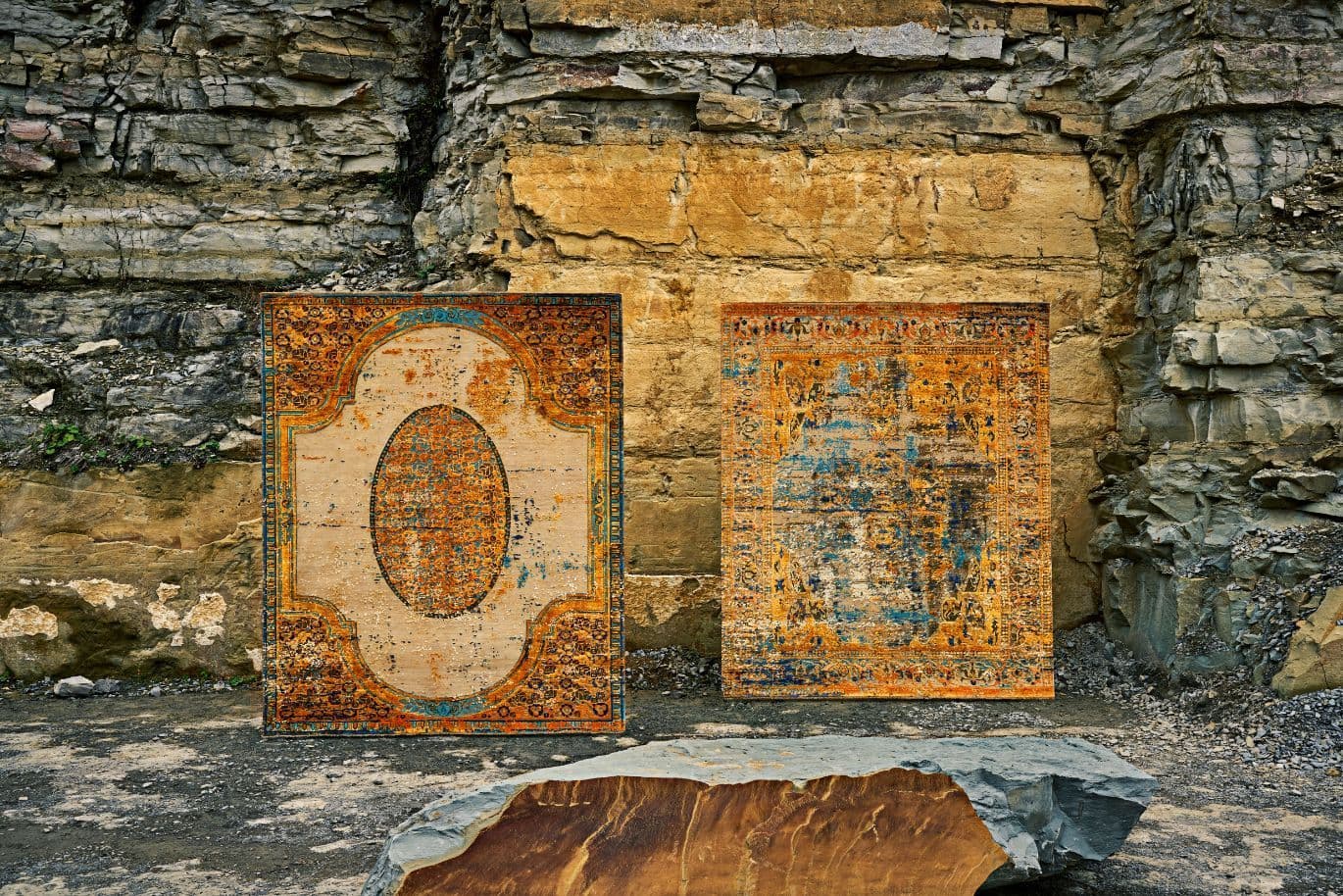
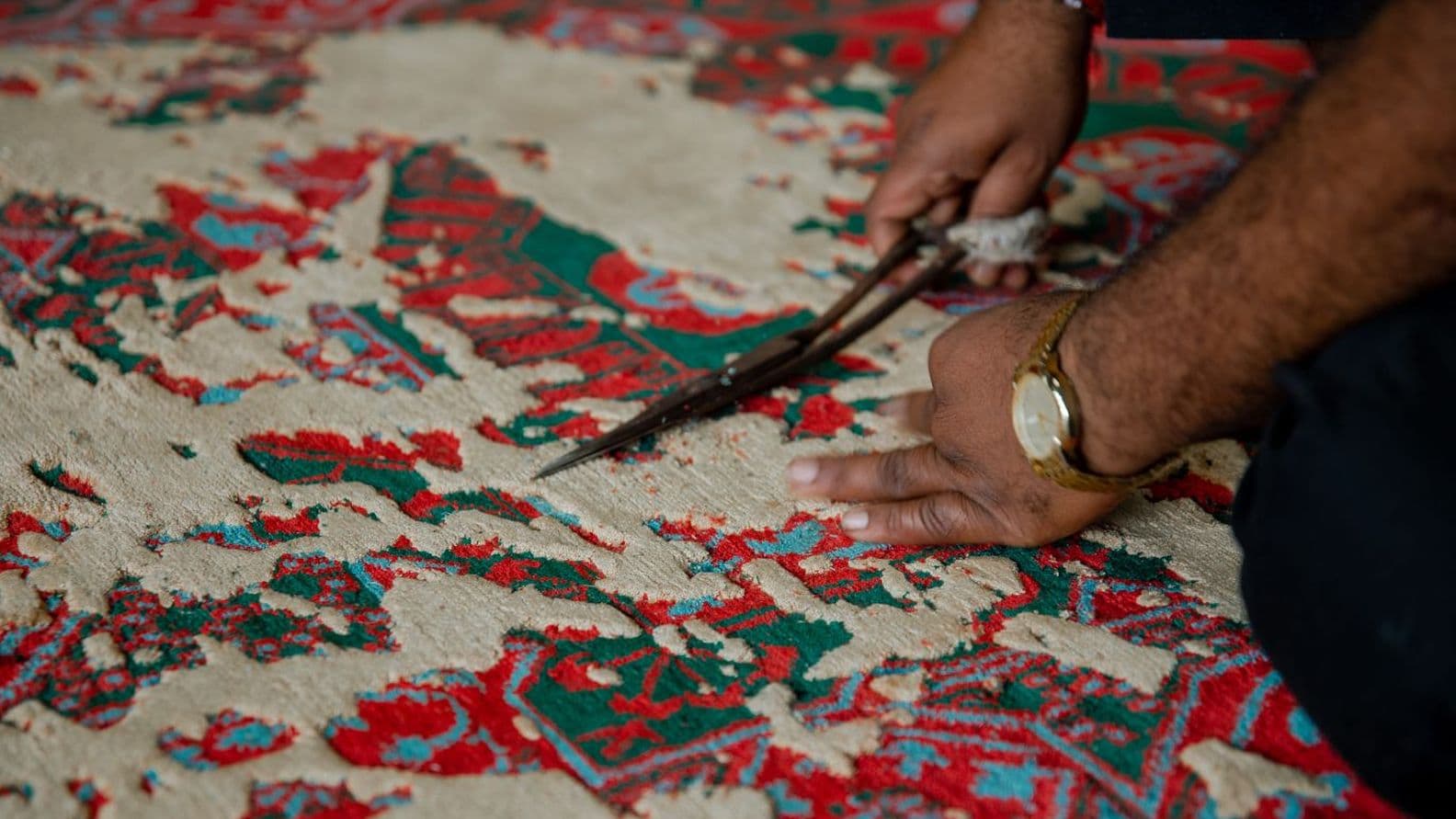
This approach is particularly evident in the combination of classic oriental motifs—the "Mother"—with contemporary minimalism. The rugs initially leave the loom in their original form; they then receive their characteristic antique look through a special process involving fire and water. Crafted from Chinese silk and wool from the Tibetan highlands, the heat creates a vibrant "Erased Finishing" effect, as wool and silk burn down to different degrees. Depending on the light, the color effect of the rug changes significantly due to the relief-like 3D optics. Originally, this technique served to clean the back of rugs; today, Jan Kath Design uses it to achieve an antique effect without chemical additives.
Our goal is to create the antiques of tomorrow.
Jan Kath
Innovative rug art with unmistakable style
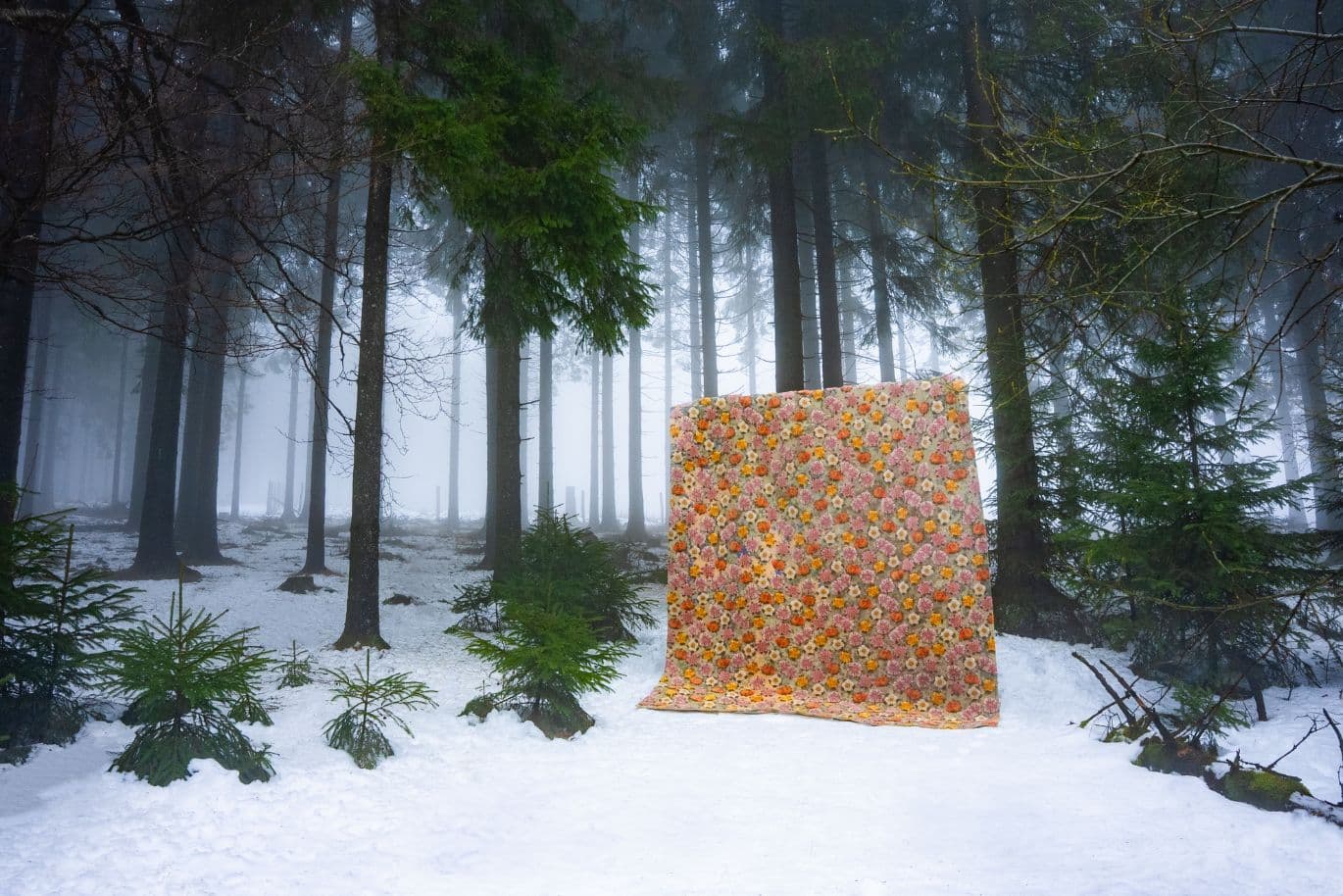
Another unique technique characterizes the new "Gol Nura" collection. Floral motifs, inspired by resilient desert flora, are created by combining the classic Tibetan knot with the Sumak flat-weave technique. This forms a sculpting high-low effect that gives the designs a three-dimensional appearance.
In the rug business, craftsmanship is not a nostalgic luxury, but the foundation for quality, identity, and timelessness. It is only through traditional knotting art that rugs become long-lasting design objects instead of short-lived commodities.
Jan Kath
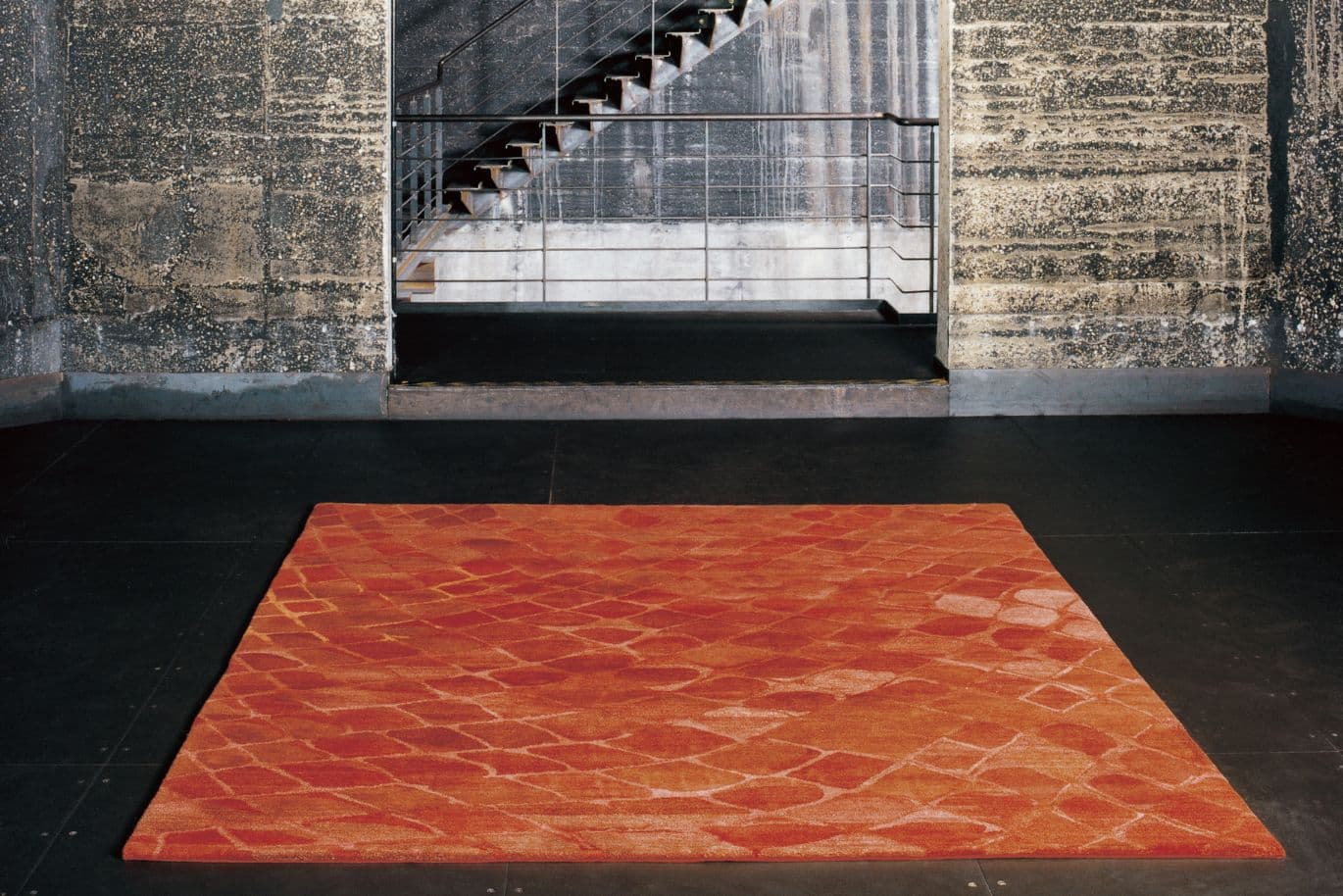
Individual design options are also part of the brand philosophy: the size, format, and materials of the rugs can be freely chosen, with over 1,200 shades available. Different collections can also be combined with one another.
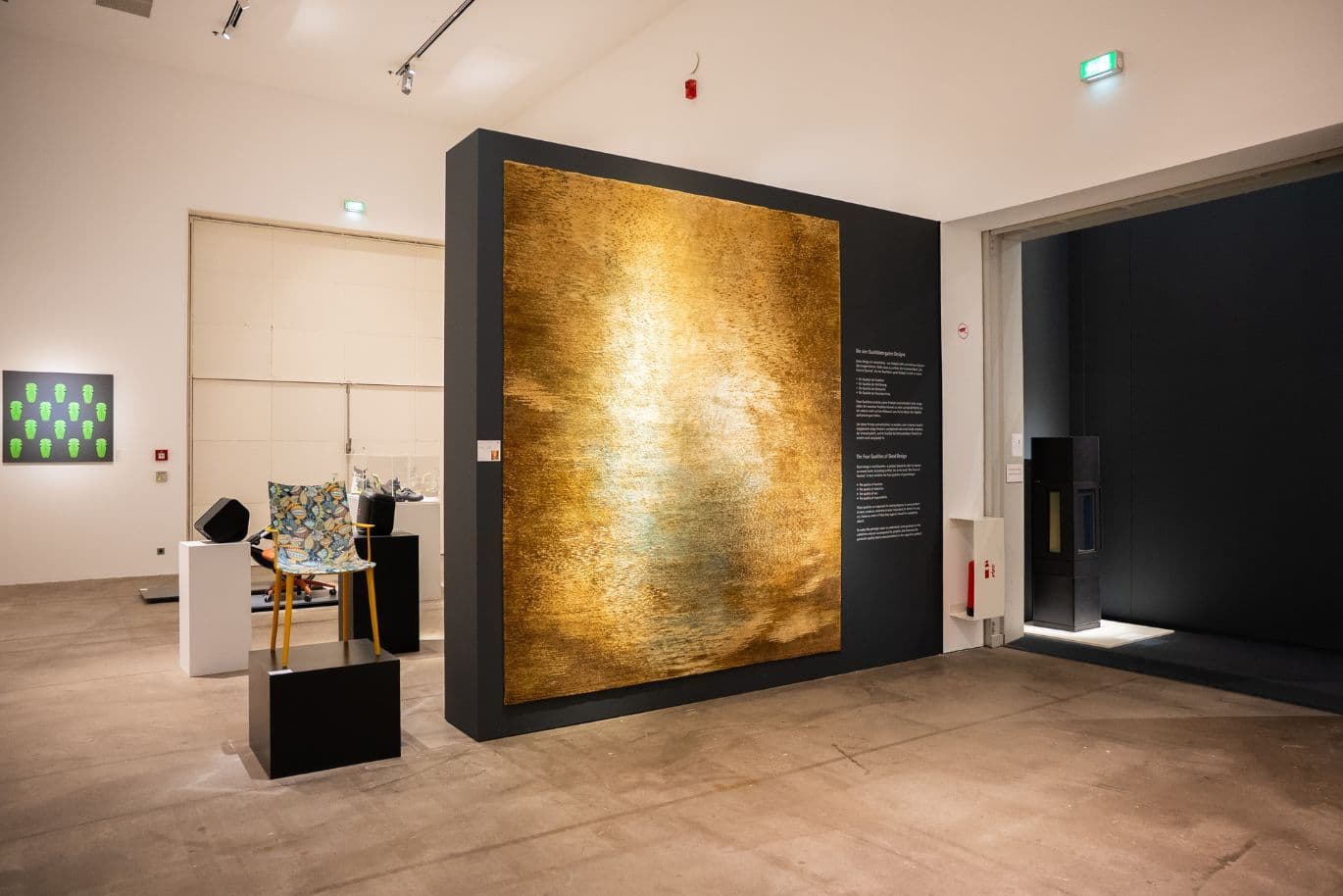
Jan Kath realized his first photo shoot in the old coking plant at the UNESCO World Heritage Site Zollverein in Essen—a place that, like few others, represents the dialogue between industrial history and contemporary design. Since then, the rugs have received numerous awards, including the Red Dot Design Award 2025. The "Doto" model from the "Cyprinus" collection is currently exhibited in the Red Dot Design Museum and can be seen there until summer 2026.
Find your property in Bochum.
Offered properties
You may also be interested in
 Hollywood’s Sorceress of Scent
- 5 min.
- 04.09.2026
 Champagne: Pure Gold from the Vine
- 6 min.
- 04.09.2026
&w=1920&q=75) Maj van der Linden – Art Space
Maj van der Linden – Art Space- 3 min.
- 4.9.2026
 Beaded Beauty – an interview with Marijke de Cock
- 2 min.
- 05.06.2026
 Going deep – an interview with freediver Guillaume Néry
- 2 min.
- 5.6.2026
 Francis Kéré – What really matters
- 9 min.
- 16.06.2026
 The fashion label Zeus+Dione: Threads of Force
- 5 min.
- 26.05.2026
 The Hand of the Visionary – Designer Kelly Wearstler
- 5 min.
- 14.04.2026
GG Magazine exclusive content
GG is an independent magazine at the highest level. Exploring the world of architecture, lifestyle, design, fashion, yachting, luxury living and travel. We seek out the most exciting topics and personalities for you and invite you to get to know them from a fresh new angle. In GG, you will meet successful architects, interesting designers and exciting artists who are the talk of the town from London to New York and Berlin to Hong Kong.