New
Penzberg, Bavaria, Germany
Charmantes und energieeffizientes Einfamilienhaus in beliebter und ruhiger Ortsrandwohnlage
Price
€1,590,000
- 7 Rooms
- 2 Bathrooms
- ~280 m² Living area
- ~584 m² Plot surface
How energy ratings influence your property's value
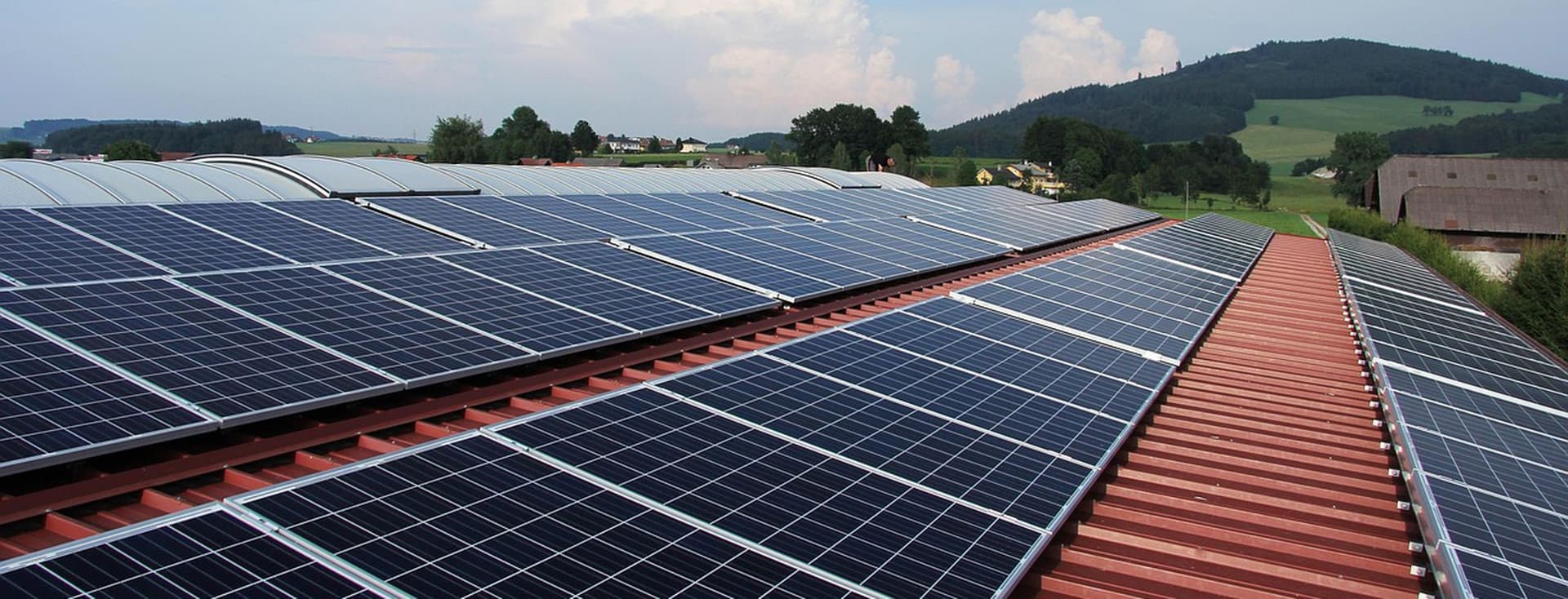
The expectations for premium real estate have fundamentally shifted. In 2026, a building's energy performance is no longer merely a technical detail; it has become the bedrock of a sound property valuation. While architecture and location were once the primary focus, energy efficiency has now emerged as a decisive factor for long-term capital preservation. For homeowners planning a sale or investors prioritizing value stability, the topic of energy efficiency has become the central benchmark in today's market.
Table of Content
Energy retrofit property value: Maximizing your return on investment
ESG real estate investing: Legislation and rising carbon costs
Transparency through the property energy performance certificate
Real estate sustainability trends: The new standard for value preservation
Zero emission buildings: Key changes owners need to know
Your real estate strategy with Engel & Völkers
A well-maintained energy profile is currently the best insurance against tough price negotiations. Market observations clearly indicate that properties with excellent building energy ratings achieve significantly higher sales prices than comparable, unrenovated buildings. In contrast, sellers of properties with poor energy classes often have to accept noticeable discounts, as buyers factor future modernization costs into their offers.
If you are a homeowner looking to maximize your market price, focusing on an energy retrofit property value increase is often the most economically sound strategy. Every investment in modern heating systems, photovoltaics, or high-quality insulation not only raises the energy efficient home value but also enhances the property’s attractiveness for bank financing. This allows you to present a turnkey, future-proof property that can be marketed much more swiftly.
Legislators have clearly defined the path for the coming years, significantly increasing market transparency. Current regulations dictate that new heating systems must primarily operate on renewable energy. By 2026, carbon pricing is expected to reach up to 65 euros per ton, noticeably increasing the cost of operating oil and gas heating systems. Those who wait risk not only legal disadvantages but also a growing financial burden.
By investing in sustainable real estate, you permanently escape this cost spiral as fossil fuel prices continue to climb. This is a matter of economic prudence: a home with low energy consumption remains attractive to tenants and owner-occupiers even amidst volatile energy prices, maintaining its role as a stable anchor in your portfolio. This shift aligns with broader ESG real estate investing strategies that prioritize long-term resilience.
Free, confidential and non-binding
Receive your digital valuation instantly
Based on data by Engel & Völkers
Starting in May 2026, the EU-wide harmonization of energy certificates will introduce stricter requirements. This new, unified scale has vastly improved market transparency and serves as the primary tool for buyers to objectively assess a property. This updated documentation is now mandatory for sales, new leases, or major renovations affecting more than 25% of the building envelope.
For you as an owner, this means your property energy performance rating is now your home's most important "business card." Buyers use this data specifically to weigh long-term value stability against potential maintenance costs. Achieving an excellent rating today positions your property in the premium segment and avoids the time pressure caused by the successive tightening of efficiency classes.
The current market phase has established a clear differentiation between various efficiency classes. Modernized properties now benefit disproportionately from general market trends, as they provide proactive answers to potential buyers' most urgent questions regarding future security.
This measurable added value, often referred to as "Green Value," is no longer an abstract concept but a core part of real estate sustainability trends. Buyers specifically seek the combination of exclusivity and efficiency offered by sustainable real estate, which convinces through low operating costs and independence from future mandatory renovation requirements. Consequently, energy efficiency has become the strongest argument in any price negotiation and a powerful shield for your invested capital.

To secure your market advantage, consider the following points in your real estate strategy:
New energy certificate (from May 2026): Transition to the EU-wide scale from A (very efficient) to G (inefficient). Properties in classes F and G are under particular scrutiny and risk losing value.
Mandatory disclosure: An up-to-date certificate must now be presented for lease extensions or major renovations (exceeding 25% of the building shell).
Heating and fuels: Existing systems remain permitted, but from 2029 onwards, stricter requirements for the use of biofuels will apply as we move toward zero emission buildings.
Carbon pricing trends: Expect fixed cost increases for fossil energy sources, making high-performance buildings even more attractive by comparison.
The complexity of energy requirements today demands professional guidance more than ever. It is essential to precisely highlight the individual strengths of your property and position it correctly in the market. Our advisors provide expert market knowledge to seamlessly integrate your property’s energy status into the sales process.
We help you fully realize your property's potential and identify the right circle of buyers who appreciate the "Green Value" of your home. Let us work together to ensure your property reaches its full value potential in 2026 and beyond.
Engel & Völkers
Penzberg, Bavaria, Germany
Price
€1,590,000
Gerolzhofen, Bavaria, Germany
Price
€799,000
Vilsendorf, Bielefeld, North Rhine-Westphalia, Germany
Price
€195,000
Elmenhorst/Lichtenhagen, Mecklenburg-Vorpommern, Germany
Price
€565,000
Heiligenhaus, North Rhine-Westphalia, Germany
Price
€525,000
Freilassing, Bavaria, Germany
Price
€975,000
FAQ
As of May 29, 2026, the previous scale from A+ to H will be replaced by a new, EU-standardized A–G scale. This transition is based on the EPBD EU building directive and enhances comparability across Europe. Owners should update their energy certificates promptly to ensure they are optimally positioned within the framework of EU taxonomy.
Yes, absolutely. A targeted energy retrofit is often the most effective method to raise the sales price in the short term. By choosing to upgrade efficiently, you alleviate potential buyers' concerns regarding unpredictable renovation costs after the purchase. In practice, this leads not only to higher closing prices but also to a significantly shorter time on the market.
An energy efficient home value offers a dual advantage to investors: First, such properties are less vulnerable to rising operating costs caused by carbon taxes, which stabilizes rental yields. Second, the "Green Value" ensures above-average value appreciation upon resale. In a market environment that increasingly prioritizes ecological criteria, these homes represent the most secure asset for long-term wealth accumulation.
Current real estate sustainability trends show that sustainable real estate is becoming the preferred choice for institutional and private investors alike. These properties offer better protection against "stranded asset" risks and align with global ESG real estate investing standards. By focusing on sustainability, you ensure your portfolio remains liquid and attractive to a high-end buyer pool that values both luxury and efficiency.
Contact


Engel & Völkers Germany
Vancouverstraße 2a
20457 Hamburg, Germany
Tel: +49 40 361310