
How to organise a move step by step: checklist, procedures and essential tips

Many people consider buying a property, but when making the decision, a common question arises: what is better, buying to live in or buying to rent out? Each option offers different benefits.
In this article, we will analyze the advantages and disadvantages of both options to help make your decision easier.
Whether you are buying a home for yourself or as a rental investment, several factors must be considered, as they will determine the outcome of your investment.
Regardless of whether the property is for personal use or rental purposes, location plays a fundamental role. Living in a home that is close to public transport and essential services will improve your quality of life. This also makes it easier to rent out the property quickly, reducing vacancy periods and increasing its attractiveness.
Additionally, over time, the property may appreciate in value, making it a more profitable investment.
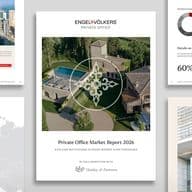
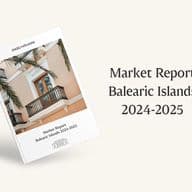
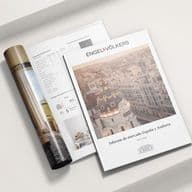
To better understand the market situation, you can check our annual report, where we analyze trends and results obtained by our real estate agents over the past year. A real estate expert from Engel & Völkers can help you analyze and understand the most relevant data.
When investing in real estate, it is essential to assess and analyze your financial situation. Here are some key aspects to consider:
Analyze your monthly income, as it will determine your ability to afford a property.
Evaluate your savings, since applying for a mortgage typically requires you to have between 20-35% of the total property price as a down payment.
Consider outstanding debts and additional expenses that may arise from purchasing the property.
Define your long-term goals—perhaps you plan to start a family, advance professionally, or invest in other projects that require financial resources.
By taking these factors into account, you will be able to determine whether it is the right time to buy a home.
Beyond financial considerations, it is also important to assess your current situation. Do you have job stability? What is your lifestyle like? These factors can help determine whether you are in a position to invest in real estate and commit to monthly mortgage payments.
Now that you understand the key factors, let’s analyze the advantages and disadvantages of buying a home to live in.
Investing in real estate is a safe haven, as the property market is generally more stable than other types of investments, such as the stock market. Additionally, owning a home protects you from rent fluctuations and forced relocations.
Owning a property allows you to make modifications, renovate the space as you wish, and decorate it to your taste. Renovations and improvements can also increase the property’s value.
If the real estate market trends upward and you have made a smart investment, your property may appreciate in value, allowing you to sell it later at a profit.
Buying a home ties you to a specific location, so if you need to relocate in the future, you will need to invest time and money in selling your home.
Over time, renovations, repairs, and general upkeep will be necessary, which may lead to unexpected expenses but will also help maintain and increase the property’s value.
Most home buyers require a mortgage to complete their purchase. This means a long-term financial commitment, including monthly mortgage payments and upfront costs associated with the purchase.

But what are the benefits of buying a home to rent out? And the drawbacks? Below, we list them all:
Buying to rent requires an initial investment that, over time, is paid off through rental income. Additionally, in the long run, the property will continue generating extra income once the mortgage is fully paid.
In cities with high demand, rental properties can yield a gross return of 4-8% per year. Applying techniques like home staging can help make your property more attractive and increase rental demand.
Buying to rent is a real estate investment that allows you to diversify your capital. Unlike stocks, real estate offers greater security and stability in times of financial uncertainty.
When signing a rental contract, there is always the risk of encountering issues such as missed payments, tenant delinquency, or property damage. To mitigate these risks, it is advisable to take out rental insurance and carefully screen potential tenants.
Managing a rental property requires time and effort, whether you do it yourself or hire a property management agency. Additionally, vacancy periods with no rental income but ongoing expenses are always a possibility.
Rental income must be declared to tax authorities, and landlords must also pay associated taxes. Additionally, costs such as landlord insurance or unexpected repairs may arise.
You may still be wondering which option is best, but there is no universal answer. The decision depends on your personal and financial situation, as well as the level of risk you are willing to take:
If you seek stability and security, buying a home to live in is the best choice, as it provides long-term financial security.
If you seek investment opportunities and profitability, buying to rent can be a profitable option to generate passive income and even achieve a higher return through a future sale.
As you can see, choosing between buying to live or buying to rent requires time and a thorough analysis of your personal situation. However, having the guidance of a highly qualified real estate agent can make the decision much easier.
At Engel & Völkers, we help our clients find their dream home and guide them throughout the entire process. Just contact us, and we’ll assist you until you find exactly what you need.
You may also be interested in
&w=1920&q=75)


&w=1920&q=75)


&w=1920&q=75)

FOR MORE INFORMATION



Engel & Völkers Spain
Avenida Diagonal 640, 6B
08017 Barcelona, España
Tel: +34 900 747 281