
How to organise a move step by step: checklist, procedures and essential tips
The new GG website: Inspiring personalities, extraordinary places and exceptional properties Discover now

If you're planning to sell or rent a property, it's important to understand what the energy certificate is and why it can make a difference in the transaction process.
In this article, we’ll explain what the energy certificate is, what it’s for, how you can obtain it, and who needs it.
Table of Content
What is an energy certificate for a property? Is it mandatory?
What does the energy certification process involve?
How to improve your home's energy rating
Registering your energy certificate: how and where?
How much does the energy certificate cost, and what affects the price?
Other frequently asked questions about the energy certificate
The energy certificate for a property, also known as the Energy Performance Certificate (EPC), is an official document that reflects the energy consumption and CO₂ emissions of a property.
Depending on the features of the property, it receives a rating (from A — the most efficient — to G — the least efficient), which helps owners and potential buyers understand the energy use and how it impacts the property's running costs.
Since June 1, 2013, Royal Decree 390/2021 has made the energy efficiency certificate mandatory for any homes that are to be sold or rented. This means that the seller or real estate agent must provide — or show — this document to prospective buyers or tenants, except for:
Properties with a usable surface area of less than 50 m² or located in remote areas.
Industrial buildings used for workshops or other activities.
Properties that are going to be demolished or undergo major renovation.
Rentals that do not exceed four months per year.
A professional real estate agent can answer all your questions, advise you, and guide you through the process of selling or renting your home. Are you looking for your dream home or the ideal buyer? Contact Engel & Völkers and let one of our qualified agents guide you through the process.
Applying for the energy certificate is easier than it seems. It must be carried out by an architect, engineer, or authorized technician. These are the typical steps:
Step 1: Contact an expert, which you can find through the official list provided by your autonomous community or through the Professional Association of Architects and Building Engineers.
Step 2: Request a quote and gather basic administrative information about your property's location, cadastral data, and past utility bills to analyze energy use.
Step 3: The technician will personally inspect the energy characteristics of your home through an audit, including: orientation, exterior exposure, windows and door openings, and a review of the building systems.
Step 4: Using official software provided by the Ministry of Industry, the expert performs calculations to determine the energy rating and prepares a report with results and suggestions for improvement.
Step 5: The energy performance certificate must be registered to be validated by the local autonomous administration. You will receive an original copy, which you must keep for 10 years or until it's renewed.
Getting the best possible rating on your energy certificate is beneficial for both buyers and sellers. The higher the rating, the more efficient and sustainable the home will be.
This is a highly valued feature among buyers, as it can result in long-term savings — not only on energy, gas, water, and electricity bills, but also on future home improvements. That’s why it’s worth paying attention to the energy rating, whether you're planning to sell or rent your property.
Small changes can lead to significant improvements in energy consumption and even increase the value of the property. Here are some of the key areas to consider — or look out for — when buying or renting:
Thermal insulation: Reinforced insulation in floors, walls, and ceilings helps maintain a stable indoor temperature, reducing heating and cooling costs.
Windows: Installing double or triple-glazed windows with quality frames prevents air leaks and temperature loss inside the property.
Efficient heating and cooling systems: Newer systems — such as inverter technology, heat pumps, or condensing boilers — operate much more efficiently.
LED lighting: This type of bulb can reduce energy consumption by up to 80%.
Home appliances: Using appliances rated A+ or higher will also improve your energy rating.
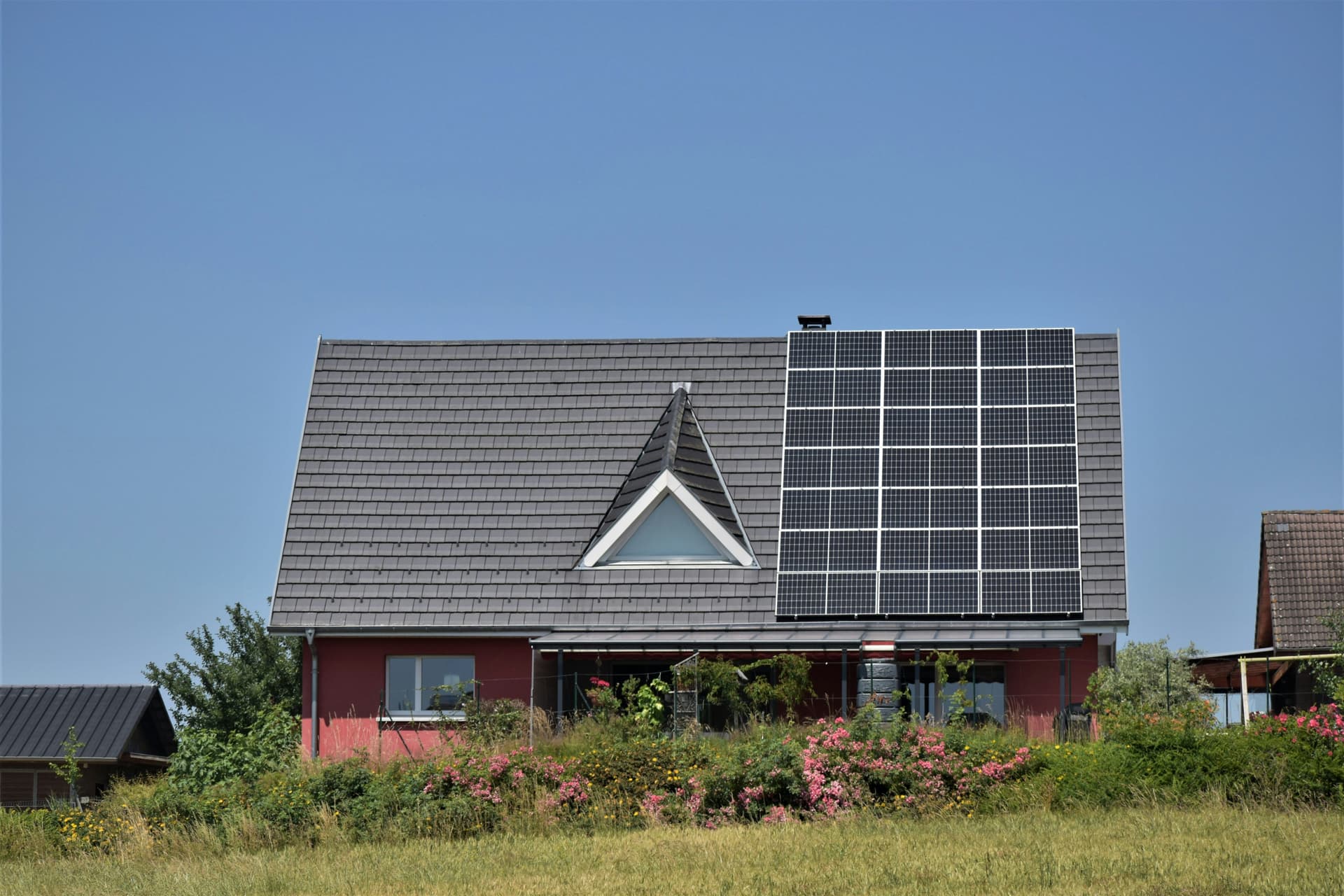
Renewable energy installations: Homes equipped with solar panels or aerothermal systems can significantly reduce electricity bills.
If you're thinking of buying, renting, or selling a property, let a professional real estate agent guide you through the process and advise you on energy efficiency. Contact our team today — and don't miss the opportunity!
Improving your property’s energy efficiency offers benefits for all parties involved. Here are some key reasons why:
A high rating increases the attractiveness of the property and can justify ahigher selling price. In fact, it's one of the most important factors when determining your home's market value.
If you'd like to know the current value of your home before putting it on the market, request a completely free valuation with one of our agents.
Free, confidential and non-binding
Receive your digital valuation instantly
Based on data by Engel & Völkers
As mentioned earlier, better efficiency allows you to save on energy bills from day one, without the need for major future investments.
It also helps protect the environment, something that’s increasingly appreciated by buyers and tenants alike.
Additionally, some banks offer special mortgage products for the purchase of energy-efficient homes. What's more, the Tax Agency provides temporary income tax deductions (IRPF) for home improvements that increase energy efficiency.
Once your energy certificate has been issued, it must be officially registered to be legally valid. This step is handled by the relevant authority in each autonomous community, each of which has its own energy certificate registry.
You can register it yourself, but the easiest option is to have the technician who performed the assessment take care of it. The process is usually done online through the official website of the appropriate regional authority.
The registration process is generally quick. Within 72 hours, you will receive an official registration number and your final energy label, which must be included in any sales or rental listings and given to the buyer or tenant.
If the certificate isn’t registered, it isn’t valid, and you won’t be able to complete any sale or rental transaction until it is processed. Additionally, the real estate agent will require it in order to present it during viewings.
That’s why having the support of a qualified real estate advisor, like the professionals at Engel & Völkers, is an excellent way to ensure all your documentation is up to date. Contact us and enjoy the peace of mind of not having to worry about a thing.
One of the most frequently asked questions is how much the energy certificate costs. The answer depends mainly on:
The technician’s fees: Each professional charges based on their time and expertise, which is reflected in the final price.
Square meters: Depending on the autonomous community and the type of property, the price may vary, as the surface area also influences the cost. Taking these aspects into account, prices generally range between €60 and €150 for standard homes. If the property is larger, the cost can increase significantly.
As a general rule, it is not possible to obtain the certificate free of charge. However, some renovation companies offer this service at no additional cost through promotions or bundled packages, since they are aware that the certificate is required for selling or renting a property.
A poor energy rating does not carry a fine, but it does make the property less appealing to potential buyers or tenants.
In general, yes — an energy certificate is necessary for recurring holiday rentals.
Failing to provide a valid energy performance certificate for your property can result in fines ranging from €300 to €6,000, for reasons such as:
Failing to register the certificate legally.
Displaying a label that does not match the actual rating.
Renting or selling the property without providing the certificate.
Falsifying data or information during the process.
Publishing an energy rating without having the official certificate.
As you can see, having a valid and registered energy certificate when renting or selling your home is essential. It is not only a legal requirement, but also a valuable selling point that impacts the buyer or tenant’s financial decision.
The guidance and support of an experienced real estate agent can make the entire process easier, showing you the steps to obtain or improve your certificate. Get in touch with our team — whether you're buying, renting, or selling — and let us take care of everything for you.
You may also be interested in
&w=1920&q=75)


&w=1920&q=75)


&w=1920&q=75)


FOR MORE INFORMATION



Engel & Völkers Spain
Avenida Diagonal 640, 6B
08017 Barcelona, España
Tel: +34 900 747 281