
Municipal swimming pools in Madrid
The new GG website: Inspiring personalities, extraordinary places and exceptional properties Discover now
Our strategic guide
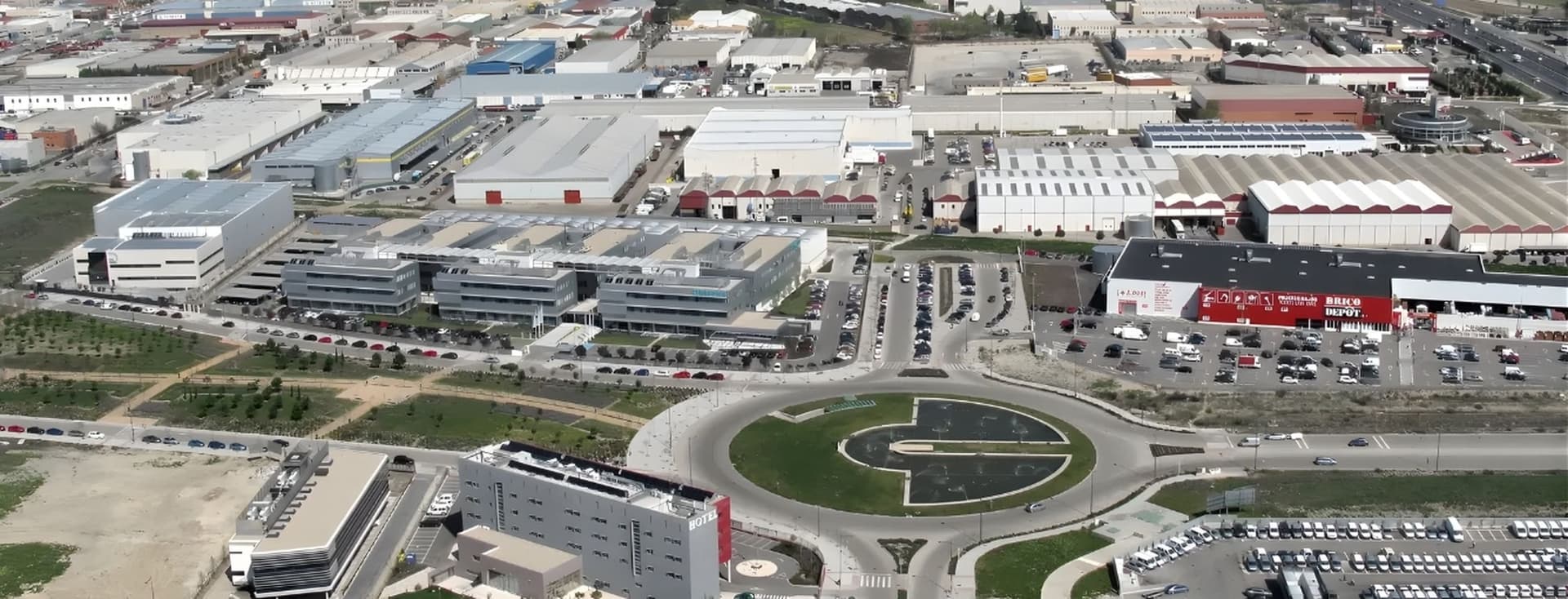
The industrial real estate sector has undergone a profound transformation in recent months. Whereas a few years ago interest was focused exclusively on location, today the success of a purchase or lease transaction depends on a complex combination of energy efficiency, up-to-date regulatory compliance, and electrical capacity. Entering this market in 2025 requires a far more technical and less speculative perspective than in the past.
The most drastic change defining this period is the full implementation of the new Fire Safety Regulation for Industrial Establishments. This regulation has rendered thousands of industrial buildings constructed under the old 2004 framework obsolete. Currently, any investor or tenant must verify that the property complies with the new reduced evacuation distances and the mandatory automatic detection systems even in small surface areas. Ignoring this technical detail before signing may result in an unforeseen investment of tens of thousands of euros to legalize the activity, completely altering any initial business plan.
Deciding between ownership or leasing in 2026 is, above all, a matter of operational agility. Purchasing has become established as an excellent store of value, especially in "Grade A" industrial properties that already feature photovoltaic installations and sustainability certifications. Owning the asset allows for the costly adaptations required for logistics automation and the installation of smart loading docks without depending on the willingness of a third party. It is the preferred option for companies with established manufacturing processes seeking long-term stability against rental inflation.
On the other hand, leasing remains the primary tool for companies operating in the e-commerce and last-mile logistics environment. The speed at which distribution routes and storage needs change means that leasing offers the flexibility required to pivot geographically. However, the current rental market is extremely demanding regarding tenant solvency, and contracts often include review clauses linked to sustainability indices that did not previously exist.
An aspect that is often overlooked, but which is critical in 2026, is the available electrical capacity. The electrification of transport fleets and the implementation of high-efficiency machinery have turned kilowatts into the most valuable resource. Before committing to an industrial property, it is vital to confirm that the local electrical infrastructure allows for expanding the contracted power without the need to install new transformer stations, a process that today may take months and paralyze any productive activity. A property with pre-installation for electric chargers and solar panels is no longer a luxury, but a standard that defines its market value.
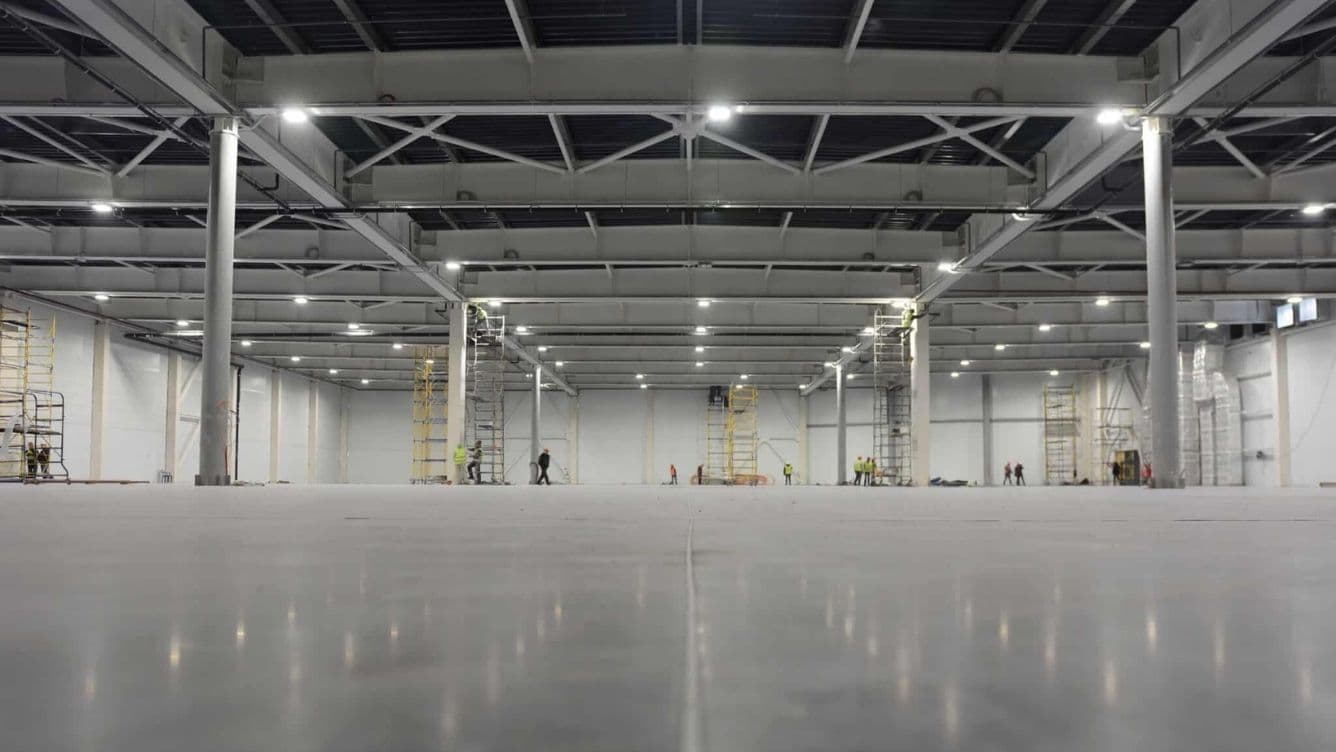
The areas of greatest interest are no longer limited exclusively to the major rings of Madrid and Barcelona. During the 2025–2026 period, we are witnessing an unprecedented rise in secondary cities that serve as key logistics hubs thanks to improvements in railway infrastructure. The key for a smart buyer or tenant today is to seek assets that balance a reasonable price per square meter with high-speed digital connectivity, as data management and real-time inventory control are now just as important as physical storage itself.
You may also be interested in
&w=1920&q=75)




Contact provider

Page content provided by: EV Commercial Real Estate Madrid, S.L.
License partner of Engel & Völkers Franchise and Trademark GmbH