Alcácer do Sal, Setubal, Portugal
INVESTMENT: Tourism Project
Price on request
- ~5,000,000 m² Plot surface
Discover the best areas to buy property in Portugal with strong potential for appreciation, profitability, and quality of life, whether for living or investment purposes.
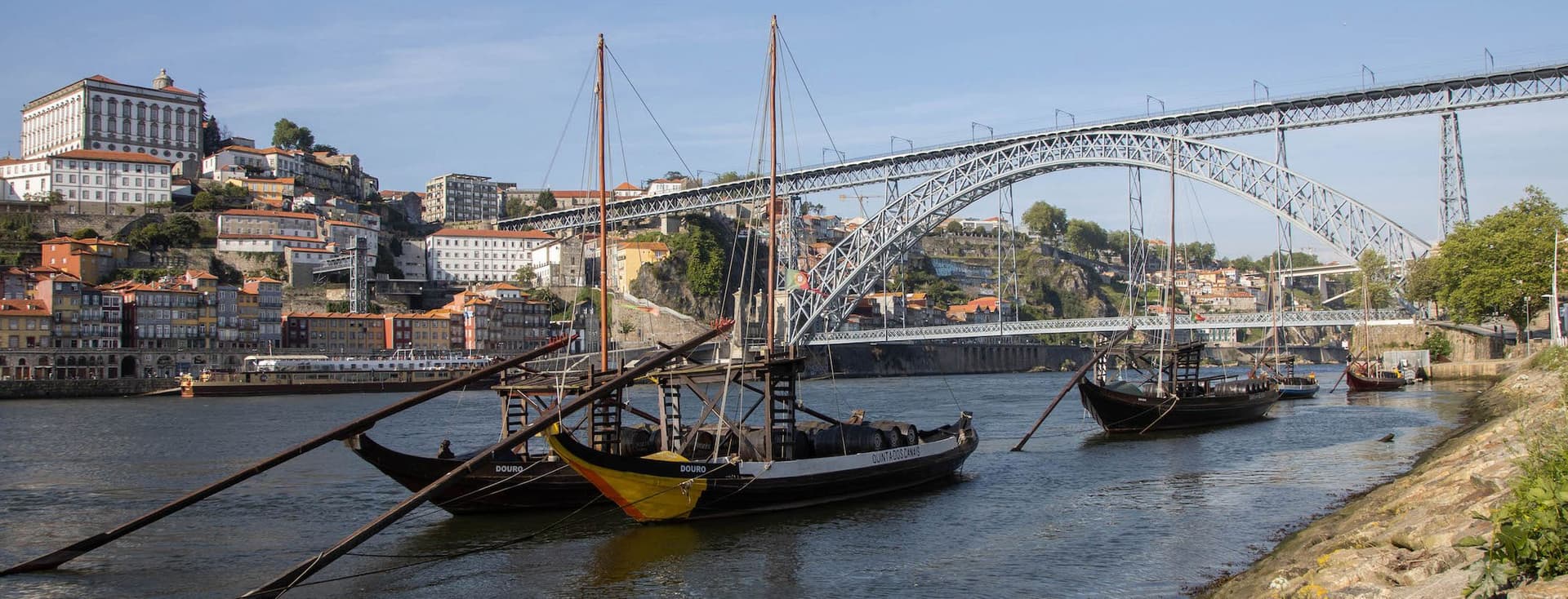
Portugal has firmly established itself over recent decades as one of Europe's most attractive destinations for buying property, both as a primary residence and as an investment. The combination of climate, quality of life, safety, infrastructure and a dynamic property market has drawn national and international buyers who recognise the country's long-term potential.
But Portugal is not uniform. The differences between areas are significant in terms of price, appreciation potential, demand profile and lifestyle. Choosing the right area to buy is one of the most important decisions in the entire purchasing process, and one that deserves careful, well-informed analysis.
The Engel & Völkers Market Study 2025/2026 presents an in-depth analysis of market trends across Portugal, confirming that demand remains robust in the main urban and coastal areas, with meaningful growth in secondary markets that just a few years ago were overlooked by more discerning buyers. Understanding where the real opportunities lie is the first step towards a well-founded purchase decision.
This guide analyses the areas with the greatest potential for those looking to buy a home in Portugal with an intelligent investment perspective, covering the main urban markets, the most sought-after coastal zones and the emerging destinations that combine quality of life with progressive appreciation.
Table of Content
Lisbon and the metropolitan area: the reference market
Porto and northern Portugal: momentum and accelerated appreciation
The Algarve: the reference coastal market
The Alentejo and the Alentejo coast: the authenticity market
Madeira and the Azores: the growing island markets
How to choose the right area for your profile
Frequently asked questions
Lisbon remains the most dynamic and most liquid property market in Portugal. The capital attracts investors, expatriates, digital nomads and domestic buyers who value its concentration of services, culture, gastronomy and international connectivity. It is also the most expensive market in the country, which makes the choice of neighbourhood and property type decisive for investment returns.
Historic neighbourhoods such as Príncipe Real, Chiado, Estrela and Santos maintain consistent demand and high prices, with properties that rarely lose value. The rehabilitation of older housing stock in these areas has brought to market properties that combine historic charm with modern comfort standards, very popular with international buyers willing to pay a premium for location and uniqueness.
The riverside area, including Alcântara, Belém and Ajuda, has benefited from significant public and private investment in recent years and still offers room for appreciation. These are characterful neighbourhoods with good accessibility and a growing offer of restaurants and culture that make them increasingly attractive for those who want to live close to the river without paying the prices of the historic centre.
For those seeking a balance between price and quality of life, the neighbourhoods of Alvalade, Campo de Ourique and Amoreiras offer an appealing combination of local commerce, transport links, green spaces and an established community. Prices are more accessible than in the historic centre, but the appreciation trend remains positive.
Outside Lisbon, the metropolitan area offers interesting alternatives for buyers seeking more space at more manageable prices. Cascais and Estoril remain two of the most sought-after destinations for high-purchasing-power families, both international and domestic, with a property offer ranging from luxury sea-view apartments to villas in gated communities with gardens and pools.
Sintra and the Western area offer prices significantly lower than the Cascais line, but with exceptional scenery and a quality of life highly appreciated by those who can work remotely. The market in these areas has gained relevance in recent years, precisely because the remote work revolution has opened the possibility of living further from urban centres without sacrificing convenience.
Almada, Setúbal and the Setúbal Peninsula are destinations worth considering for buyers looking for accessible prices within less than half an hour of Lisbon. The improvement of transport links and the quality of the Costa da Caparica beaches make this area one of the most sought-after by buyers who want proximity to the capital combined with a more relaxed lifestyle and access to the sea.
Porto has undergone one of the most remarkable urban transformations in Europe over the past decade. From a declining industrial city to a globally recognised cultural and tourism destination, Porto has established itself as one of the most interesting property markets on the Iberian Peninsula, with prices still below Lisbon but with a very significant appreciation rate.
The historic centre of Porto, a UNESCO World Heritage Site, remains the segment most sought after by investors and international buyers. The neighbourhoods of Cedofeita, Bonfim, Miragaia and Vitória offer properties with unique character, many of them rehabilitated in recent years, with consistent demand for both primary residence and short-term rental.
The eastern part of Porto, including Campanhã and Lordelo, still offers more accessible prices and meaningful appreciation potential, supported by ongoing urban regeneration projects and the expansion of the metro network. For buyers with a medium to long-term investment horizon, these areas represent an opportunity that the historic centre market no longer offers to the same degree.
Matosinhos, adjacent to Porto with direct sea access, is one of the markets that has grown most in terms of demand and price. The combination of excellent gastronomy, accessible beaches, quality infrastructure and proximity to the airport makes Matosinhos a very popular choice among international buyers and domestic buyers who want to live by the sea without giving up urban life.
Braga has consolidated its position as one of Portugal's most economically and academically dynamic cities, which is reflected in a growing property market with prices still very competitive compared to the main capitals. The city has attracted technology companies and young qualified professionals, creating growing housing demand that supports the progressive appreciation of the market.
Guimarães, the historic birthplace of Portugal and also a UNESCO city, offers a property market with unique characteristics: characterful properties in the historic centre, excellent quality of life and prices that remain accessible given the city's cultural and heritage significance. For buyers who value history and character without wanting to pay Lisbon or Porto prices, Guimarães is a genuinely compelling alternative.
The Algarve is Portugal's most internationally established coastal market and one of the most sought-after property buying destinations in Europe. The combination of climate, beaches, golf courses, gastronomy and quality infrastructure has created a robust and mature property market, with prices that reflect that maturity but with a return potential that remains very attractive in certain segments.
The Vilamoura, Albufeira and Lagos triangle concentrates the bulk of international demand in the Algarve. Vilamoura is the destination of choice for buyers who value marina infrastructure, golf courses and a cosmopolitan lifestyle. Prices reflect that market position, but liquidity is high and appreciation historically consistent.
Lagos and the entire Costa Vicentina, including Sagres and the Vila do Bispo area, have been gaining growing relevance among a buyer profile seeking wilder landscapes, lower tourist density and a more authentic way of life. This area, considered peripheral within the Algarve context just ten years ago, is today one of the segments with the greatest appreciation potential in the region.
The Tavira, Olhão and Ria Formosa area, in the Eastern Algarve, represents one of the most interesting opportunities for buyers seeking a balance between price, quality of life and appreciation. With prices still significantly below those of the Central and Western Algarve, and with exceptional natural and heritage richness, this area has been attracting both national and international buyers with a longer-term investment perspective.
The Alentejo has emerged in recent years as a destination of great interest for buyers who value authenticity, tranquillity, gastronomy and a relationship with the land that more heavily touristed areas can no longer offer. The Alentejo coastline, with its deserted beaches and dune landscapes, is today one of the fastest-growing segments in the national property market.
Comporta and the surrounding area are the most visible example of this trend. What was twenty years ago a forgotten fishing village has become one of the most exclusive property destinations in the country, with properties reaching values comparable to the best addresses in the Algarve. The appreciation has been extraordinary and, while the more accessible market no longer exists in this specific area, Comporta's international recognition continues to sustain demand.
Further south, the areas of Melides, Vila Nova de Milfontes and Zambujeira do Mar still offer a market with more room for appreciation, particularly for buyers who enter with a medium to long-term perspective. These are areas with excellent quality of life, lower tourist density and a natural beauty that attracts an increasingly discerning buyer profile.
The Autonomous Region of Madeira has experienced remarkable property growth in recent years, driven by its position as a residence destination for digital nomads, European retirees and investors who recognise the island's fiscal and climatic potential. Funchal and the surrounding area are the most liquid markets, with prices appreciating consistently and a diversified international demand.
The Azores, especially the island of São Miguel, have been attracting growing attention from national and international buyers who value the archipelago's unique natural environment, a cost of living that remains very competitive and a property market that offers good entry opportunities with meaningful appreciation potential in the years ahead.
Choosing the right area depends on several factors that must be weighed according to each buyer's profile and objectives.
For those buying to live in the property, proximity to work, school quality, access to transport and health services carry as much or more weight than appreciation potential. For those buying as an investment, market liquidity, rental demand, medium-term appreciation potential and the profile of future tenants or buyers are the most relevant variables.
For those buying with a mixed perspective, primary residence in the short term and investment in the long term, the combination of quality of life, appreciation potential and liquidity is the most important criterion. In these situations, transition areas, those that already offer quality of life but have not yet reached their full price potential, tend to be the most interesting.
Regardless of profile, having alongside an experienced property team with deep knowledge of each market is a decisive factor for a well-informed decision. Local knowledge, the ability to identify opportunities before they become obvious to the broader market and experience in negotiation are skills that make a genuine difference to the outcome of any acquisition.
Engel & Völkers is present across Portugal's main property markets, with local teams who know the specifics of each area in depth and who accompany their clients at every stage of the buying process, from identifying the right property through to signing the final deed.
PROPERTIES IN PORTUGAL
Alcácer do Sal, Setubal, Portugal
Price on request
Vale do Lobo, Almancil, Faro District, Portugal
Price on request
Quinta do Lago, Almancil, Faro District, Portugal
Price on request
Centro Historico, Cascais, Lisbon, Portugal
Price
€22,000,000
Porto, Porto District, Portugal
Price on request
Albufeira, Faro District, Portugal
Price
€18,500,000
Faro, Faro District, Portugal
Price
€18,000,000
Carnaxide, Lisbon, Portugal
Price
€17,000,000
Quinta do Lago, Almancil, Faro District, Portugal
Price
€16,500,000
It depends on the time horizon and the investor's profile. Lisbon has a more mature market, greater liquidity and higher prices, which means less room for appreciation but greater stability. Porto offers more competitive prices in certain areas and an appreciation rate that has outpaced Lisbon in recent years, particularly in neighbourhoods that are still consolidating. For short-term investment focused on rental yield, Lisbon tends to offer more predictability. For capital appreciation over the medium to long term, certain areas of Porto still present meaningful potential.
The areas with the best balance between quality of life and price in 2025 include the northern interior, particularly Braga and Guimarães, where prices are very competitive and quality of life is excellent. On the coast, the Alentejo coastline and the Eastern Algarve, including Tavira and Olhão, still offer a very attractive balance. Within the Lisbon metropolitan area, the Setúbal Peninsula and the Sintra West zone offer prices significantly below the capital with excellent quality of life, particularly for families who value space and nature.
Yes. Portugal has no legal restrictions on the purchase of property by foreign nationals, regardless of their nationality or tax residency. Access to mortgage financing may vary depending on the bank and the buyer's financial profile, and there are certain tax considerations that should be taken into account depending on the buyer's country of tax residence. To ensure the entire process is carried out correctly and efficiently, it is highly recommended to have alongside both an experienced property consultant and a solicitor specialising in Portuguese property law.
Short-term rentals, particularly through platforms such as Airbnb, have played a relevant role in property appreciation in tourist areas such as Lisbon, Porto, the Algarve and the Alentejo coast. However, the regulation of this type of rental has been becoming increasingly restrictive, particularly in Lisbon and Porto, where the licensing of new short-term rental properties has been suspended in various areas. Before buying with the intention of short-term rental, it is essential to verify the current regulatory situation in the area in question and assess whether the intended business model is viable under the applicable legal conditions.
Beyond the purchase price, the buyer should budget for the Municipal Property Transfer Tax, which varies according to the value and intended use of the property, stamp duty, notary and land registry costs, and legal fees if professional legal support is engaged. In total, additional costs typically represent between 6% and 8% of the acquisition value, depending on the property price and the specific circumstances of each transaction. A full overview of property purchase documentation costs should be reviewed in advance to avoid surprises.
The most reliable way to assess whether a price is correct is to compare it against recent transactions for similar properties in the same area, analyse how long the property has been on the market and consult a professional with deep knowledge of the local market. An experienced property consultant can carry out this analysis rigorously and present the buyer with an objective view of the property's true value, helping them avoid overpaying and ensuring they do not miss a good opportunity by underestimating the value of a well-positioned property.
The fundamentals that make Portugal attractive to national and international buyers remain solid: climate, quality of life, safety, health and education infrastructure, a strategic geographic position and a labour market growing in sectors such as technology, tourism and services. The Portuguese property market has demonstrated resilience in the face of adverse economic cycles and international demand remains diversified, with buyers from multiple origins recognising the long-term value of investing in Portugal. No market forecast is guaranteed, but the available indicators point to a continuation of the positive trend across the main markets.
In the property market, the ideal time to buy is when the buyer is financially prepared, has clear criteria about what they are looking for and has found a property that meets their needs at a price that reflects the true market value. Attempting to time market cycles rarely produces good results for individual buyers, who do not have access to the same information or analytical capacity as institutional investors. What makes more difference than market timing is the quality of the decision: the right property, in the right area, with the right professional support.
You may also be interested in
&w=1920&q=75)






FOR MORE INFORMATION



Engel & Völkers Portugal
Av. da Liberdade 196, 7 andar
1250-096 Lisboa, Portugal
Tel: +351 210 200 490