Vale do Lobo, Almancil, Faro District, Portugal
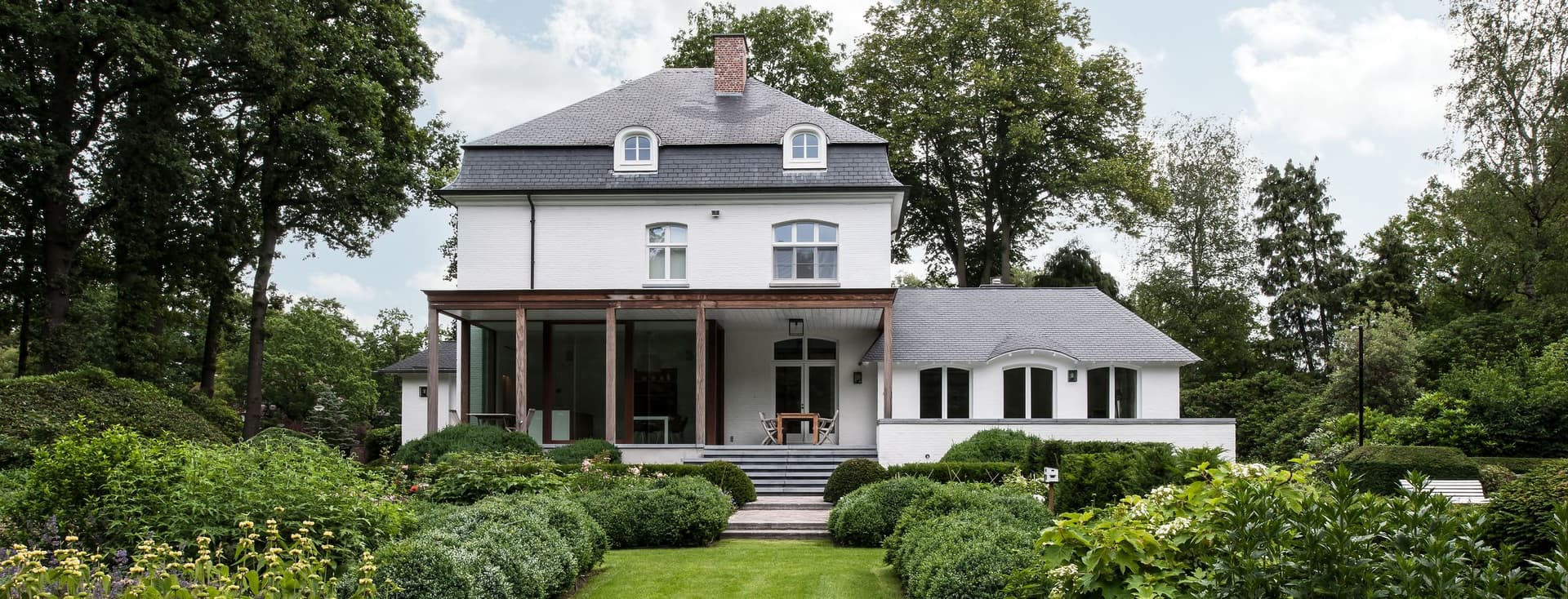
Magnificent Property with Sea Views and close to the Beach in Vale do Lobo
Price on request
- 12 Bedrooms
- 11 Bathrooms
- ~780 m² Living area
- ~7,220 m² Plot surface
Find out what to check before buying a used home, from property condition and documentation to costs, financing, renovations and condominium fees.
Buying a used home can provide access to an established location, generous floor plans and features that are no longer common in many new developments. At the same time, a property that has already been occupied requires a more careful assessment of its condition, documentation, future costs and any work that may be needed. The asking price is only one part of the decision.The current market context makes this analysis even more important. In the second quarter of 2026, prices of existing homes in Portugal increased by 18.0% year-on-year, compared with 12.3% for new homes. During the same period, the total number of transactions fell by 6.4%, to 40,142 homes. For anyone looking for homes for sale, these figures underline the importance of careful selection and detailed property analysis.
Table of Content
What makes a used home different
Do not look only at the asking price
Set a budget beyond the mortgage payment
Arrange financing before choosing the property
Assess the property beyond the viewing
Understand what is cosmetic and what is structural
Check the documentation
Confirm areas and features
Look carefully at the condominium
Understand the property's history
Assess energy efficiency
Visit the area at different times
Think realistically about renovation costs
Buying a used home to renovate
Do not ignore small warning signs during a viewing
Negotiate using information
Pay attention to the promissory agreement
Make use of available benefits
Do not confuse an opportunity with a discount
Give the decision enough time
A decision based on total value
Frequently asked questions
A used home should not automatically be associated with an old property or one that needs major work. There are properties built only a few years ago that have already returned to the market, as well as homes several decades old that have been completely renovated.The main difference is that the buyer can assess a property that has already been occupied and, in many cases, gain a better understanding of the building, neighbourhood and home itself. Rather than buying based only on floor plans, planned finishes or development images, it is possible to visit the actual property and assess:
The real size of the rooms
The quality of the finishes
Natural light
The condition of façades and common areas
Existing noise levels
The immediate surroundings
The relationship between the home and neighbouring buildingsThe ability to observe the actual reality of the property can be a significant advantage, especially when buyers take enough time to assess it properly.
The sale price is usually the first figure buyers compare, but it is far from representing the total cost of the purchase. A used property may involve renovation costs, taxes, documentation expenses, financing costs, condominium charges or the replacement of equipment.Before setting a budget, it is important to distinguish between three different figures: the cost of the property, the actual cost of acquiring it and the amount likely to be needed during the first few years to adapt it to the new owner's needs.Purchase taxes should also be taken into account. In Portugal, buyers generally pay IMT and Stamp Duty, with IMT generally calculated on the higher of the purchase price and the property's taxable value. Information from the Portuguese Tax and Customs Authority should always be checked for the specific transaction.To understand these expenses better, it is useful to consult information about the costs associated with documentation when buying a property and build a budget that includes all foreseeable costs.
When a buyer uses mortgage financing, it is common to focus primarily on the monthly payment. That approach can hide other relevant costs.The monthly budget should also account for:
Condominium fees
IMI
Insurance
Energy and water
Maintenance
Potential renovation work
Parking or garage costs
Extraordinary condominium expenses
A home that appears affordable based on the mortgage payment alone may become considerably more expensive once all other costs are added. The Banco de Portugal establishes, as a prudential rule, that total monthly credit instalments should generally not exceed 45% of the customer's net monthly income.It is also not enough to compare only the monthly payment offered by different banks. The APR, or TAEG in Portugal, allows buyers to compare the total cost of credit proposals with the same term and repayment structure, including interest, commissions, insurance and other charges.
One of the most effective ways to avoid wasted time is to understand the financing available in advance. Knowing how much a bank may lend makes it easier to establish a realistic price range and reduces the risk of choosing a property that later proves difficult to finance under the desired conditions.For a primary residence, the prudential framework generally limits the loan-to-value ratio to 90%. The relevant property value is the lower of the purchase price and the bank's valuation.This point is particularly important when buying a used home. If the buyer agrees to a high purchase price but the bank values the property at a lower figure, additional personal capital may be required to complete the purchase.
The first viewing is useful for deciding whether a property is interesting, but it should not normally be enough to make a final decision. A house may look excellent during a short visit and later reveal problems related to damp, roofing, plumbing, electrical installations or insulation.For a used property, an independent technical inspection can be a valuable tool, particularly when the property is older or shows signs of wear. The objective is not to look for defects simply to rule out a purchase, but to understand the actual condition of the property and estimate potential interventions.Particular attention should be given to:
Significant cracks
Damp stains
Signs of water infiltration
Deteriorated wood
Inefficient window frames
Older electrical installations
Deteriorated plumbing
Roofing or façade problems
Alterations to areas or rooms that raise questions
A professional inspection can help prevent a seemingly minor issue from turning into a major expense after the purchase.
Not all defects have the same significance. Old paintwork can be easily renewed. An outdated kitchen can be remodelled. Structural problems, persistent damp or serious roofing deficiencies require a very different level of attention.It is important to distinguish between what can be changed relatively quickly and what actually affects the quality or safety of the property. This distinction can also help with negotiations because it allows the buyer to turn renovation needs into objective calculations rather than subjective impressions.The analysis should consider the property's potential after renovation, but without assuming that every improvement will increase the property's value by the same amount as the investment. A high-quality kitchen can improve a home, but that does not necessarily mean that all of the money spent will be recovered in a future sale.
A used home should also be assessed through its documentation. The documents help confirm who owns the property, which registrations exist and whether there are circumstances that could affect the transfer.The Portuguese permanent land registry certificate records current registrations and pending registration requests concerning the property. The online version can be consulted during its validity period using the relevant access code.This verification can help identify mortgages, seizures, usufruct rights or other registered matters. It should not, however, be replaced by a superficial reading of the listing or by information provided verbally during a viewing.
The areas presented in the listing should be compared, whenever possible, with the available documentation. A difference between the advertised area, registered area and the area resulting from alterations made to the property can have significant consequences.The same principle applies to annexes, enclosed balconies, garages, attics, basements and other areas that may have been altered over time. For example, a room converted into a bedroom should not automatically be considered equivalent to a room legally licensed for that purpose.When there are doubts about licensing or planning alterations, it is advisable to seek specialist advice before making a commitment. Accurate information at this stage can prevent problems when the time comes to formalise the purchase.
Buying a used apartment often also means buying into a condominium. The condition of the common areas can reveal as much about the building as the interior of the individual property.Before proceeding, it is worth analysing:
Condition of the façade
Roof or top-floor structure
Lifts
Garage
Shared plumbing
Planned works
Common reserve fund
Monthly condominium charges
Any condominium debts
Recent meeting minutes
The meeting minutes can be particularly informative because they may reveal major works planned for the building or recurring disputes. A seemingly low condominium fee may become less attractive if significant extraordinary works are expected.
A used home has a history. Knowing when it was built, what renovations have been carried out and which systems or appliances have been replaced can help buyers better understand what they are purchasing.It can be especially useful to know the age of the kitchen, bathrooms, climate control system, windows and boiler or heat pump, where applicable. It is also worth asking about major structural works or significant renovation projects.The aim is not to obtain a perfect history of the property, but to gather enough information to anticipate maintenance requirements and avoid unpleasant surprises shortly after moving in.
Energy performance deserves particular attention in a used property. A home with inefficient windows, poor insulation or outdated heating and cooling systems may have higher running costs and provide less comfort.The energy certificate provides information about the property's energy performance and measures that could improve it. However, buyers should look beyond the certificate rating and understand the practical conditions of the home.Solar orientation, window quality, exposure to wind, shading and the heating or cooling system can all influence actual energy consumption.
A home can seem perfect on a Saturday afternoon and present a very different reality on a Monday morning. The character of the location should therefore not be assessed only during the scheduled viewing.It is useful to visit the area at different times to assess:
Traffic noise
Pedestrian activity
Parking availability
Commercial activity
Public transport
Night-time lighting
Perceived safety
Actual distances to services
It is also important to observe the street and surrounding buildings. A view that currently appears guaranteed may be affected by future development projects. For buyers comparing different property options for purchase, the quality of the location should carry as much weight as the characteristics of the house itself.
A used home can offer considerable scope for personalisation, but renovation costs need to be calculated before the purchase. The cost of a refurbishment is not limited to materials.Project design, labour, permits where applicable, demolition, waste removal, changes to installations and unexpected complications should all be considered. A seemingly simple renovation can become much more expensive when problems are discovered behind walls, in pipes or in electrical systems.Before making an offer, the buyer should distinguish between essential work, desirable improvements and purely cosmetic changes. This makes it easier to understand how much will need to be invested immediately after the purchase and what can be postponed.
Used properties requiring renovation may appeal to buyers looking for an opportunity to transform a property according to their preferences. However, that potential should be assessed on the basis of facts rather than assumptions.A property may allow changes to the layout, improvements to energy efficiency or updated finishes. Another may be constrained by the structure, licensing, condominium rules or the characteristics of the building itself.It is advisable to obtain a realistic renovation estimate before assuming that a lower purchase price represents a genuine opportunity. The purchase price, taxes, financing costs and renovation budget should be considered together and compared with the value of similar already-renovated properties in the same area.
Some signs deserve attention even when they may initially seem minor. A damp smell, excessive condensation, doors that do not close properly, fresh paint in isolated areas or differences between rooms can all justify additional questions.It is also useful to test water pressure, taps, windows, shutters and other accessible features, while paying attention to external noise. The longer and more methodical the viewing, the greater the chance of noticing details that do not appear in photographs.A second viewing, preferably with another person, can provide a different perspective. When the financial commitment is significant, it is worth avoiding a decision based solely on the excitement of the first impression.
Negotiations tend to be stronger when based on concrete information. An old kitchen, on its own, does not necessarily justify a particular reduction in price. A documented renovation estimate, a bank valuation below the agreed purchase price or major work needed in the building can provide more objective grounds for negotiation.Buyers should avoid turning every imperfection into an attempt to reduce the price. The objective is to understand the true value of the property and determine whether the proposed conditions still make sense after taking additional costs into account.A well-prepared negotiation can be more effective when both parties have a clear understanding of the property and the market conditions.
The promissory purchase and sale agreement, or CPCV, is an important stage before completion. It sets out the main conditions agreed between the buyer and seller.Among other elements, it may establish the purchase price, deadlines, deposit, conditions relating to financing and the expected completion date. The specific content should be assessed according to the circumstances of the transaction.Before signing, it is important to ensure that relevant conditions are properly reflected and that clauses relating to financing or outstanding issues are fully understood. Information about the promissory purchase and sale agreement can help provide context for this stage, while specific legal questions should be clarified with a qualified professional.
Some buyers may be eligible for measures that significantly reduce the initial costs of purchasing a home. One example is the Portuguese exemption from IMT and Stamp Duty for eligible buyers up to the age of 35 purchasing their first primary residence. In 2026, the full exemption applies to qualifying properties up to 324,058 euros, with a partial regime applying to certain higher price ranges.There is also a public guarantee scheme in 2026 for certain mortgage contracts financing a first primary residence for eligible buyers up to the age of 35, subject to specific requirements and a contract deadline of 31 December 2026. One of the conditions is a property transaction value of no more than 450,000 euros.Anyone who may qualify for these measures should always check the applicable requirements at the time of purchase, as eligibility depends on the individual buyer and transaction.
A house priced below comparable properties may be attractive, but there may also be a reason for the difference. A less sought-after location, significant renovation needs, documentation issues, building problems or lower demand can all explain a lower price.Likewise, a more expensive property is not necessarily overpriced. It may benefit from better exposure, views, construction quality, energy efficiency, parking or location.Comparisons should be made between genuinely comparable properties. Looking only at price per square metre can produce misleading conclusions when properties have substantially different features.
The excitement of finding a property that seems to meet every requirement can lead to rushed decisions. In a market where prices are high, that rush can result in costs that only become apparent after the purchase.A more informed decision involves returning to the property, reviewing the documentation, estimating renovation costs, confirming financing and comparing alternatives. The buyer should be able to answer one simple question: after adding all foreseeable costs, is this still the property that best matches the needs and financial capacity of the buyer?The guide to preparing financially to buy a home can also be useful when structuring the financial preparation before proceeding.
Buying a used home does not necessarily mean buying a cheaper property. It means purchasing a home with a history, specific characteristics and, often, considerable scope for personalisation. The decision should be assessed by considering the current property, the investment it requires and what can realistically be achieved after improvements.In a market where existing home prices recorded an 18.0% year-on-year increase in the second quarter of 2026, the ability to compare properties and identify meaningful differences becomes even more important.The Engel & Völkers Market Study provides information on demand, prices and trends in the Portuguese property market and can complement the specific assessment of an individual property.For anyone looking to buy a used home, a well-prepared decision begins long before signing a contract. Assessing the property's condition, checking the documentation, calculating the total costs, understanding renovation needs and comparing alternatives can all help buyers move forward with greater confidence. Exploring homes available for purchase and working with a specialist team can help identify properties that match the desired budget, location and features, from the first viewing through to completion.
PROPERTIES IN PORTUGAL
Vale do Lobo, Almancil, Faro District, Portugal
Price on request
Quinta do Lago, Almancil, Faro District, Portugal
Price on request
Centro Historico, Cascais, Lisbon, Portugal
Price
€22,000,000
Porto, Porto District, Portugal
Price on request
Albufeira, Faro District, Portugal
Price
€18,500,000
Faro, Faro District, Portugal
Price
€18,000,000
Carnaxide, Lisbon, Portugal
Price
€17,000,000
Sintra, Lisbon, Portugal
Price
€16,500,000
São Roque, Aveiro District, Portugal
Price
€16,000,000
No. Price depends primarily on location, features, condition, size, construction quality and demand. In some areas, a fully renovated used property can cost the same as or more than a new development with different characteristics. Comparing only the purchase price can also be misleading. A used home may require substantial renovation, while a new property may include finishes and equipment that reduce initial expenditure. The more useful comparison is therefore based on the expected total cost rather than the asking price alone. Location should also be considered carefully. A used home may be situated in an established neighbourhood close to shops, transport and services, while a new development may be located in an area that is still evolving. Each case needs to be assessed individually.
When a buyer decides to commission an independent technical inspection, the cost is normally paid by the buyer because the purpose is to protect their interests and provide a clearer understanding of the property before making a commitment. An inspection can be particularly useful for older properties, houses, homes showing signs of damp or properties that have been partially renovated. The inspector may identify issues that are not obvious during a standard viewing. The resulting report can then help the buyer decide whether further information is needed, whether the offer should be adjusted or whether to proceed with greater confidence. A technical inspection does not replace legal or documentary checks because these are different areas of analysis. Ideally, technical, documentary and financial factors should all be considered together.
In most cases, buyers need to have some personal capital available because mortgage financing does not necessarily cover the entire acquisition cost. For primary residences, the prudential framework generally establishes a loan-to-value limit of 90%. In addition to the deposit, taxes and other transaction costs may require additional liquidity. There are, however, specific measures that may facilitate access to mortgage financing for certain buyers, including eligible buyers up to the age of 35 through the public guarantee scheme. The existence of such measures does not mean that every buyer qualifies or that the bank is required to approve the mortgage. Eligibility and lending conditions depend on the buyer's circumstances, the property and the bank's assessment.
When a property is purchased with mortgage financing, the bank uses its valuation to determine the maximum amount that can be financed. For the loan-to-value calculation, the relevant value is generally the lower of the purchase price and the bank valuation. For example, if a property is agreed at 300,000 euros but the bank valuation is 280,000 euros, the amount financed may be based on the lower figure. The buyer may therefore need to provide more personal capital to cover the difference. This is one reason why initial mortgage approval does not automatically guarantee that any chosen property can be financed under the expected conditions. Before signing a binding commitment, it is important to understand the specific terms offered by the financial institution and the implications of the bank's valuation.
It can be, but the concrete impact of those developments needs to be understood. New construction can improve services, retail, public spaces and transport connections, but it can also change traffic, parking, views or noise levels. Buyers should seek information about relevant planning projects from the appropriate authorities and avoid assuming that today's surroundings will remain unchanged. This can be particularly important when the property's asking price is partly justified by an open view or another feature of the surrounding area. Future construction could change that advantage. The location should therefore be assessed not only according to what exists today but also according to what is planned for the area.
It depends on the buyer's objectives and the conditions of the tenancy. A property occupied by a tenant should not be assessed in the same way as a home available for immediate occupation. The buyer needs to understand the existing rental agreement, its duration, rent, legal terms and current status. An investor may consider an existing tenancy an important feature, while someone intending to live in the property may have completely different requirements. Before purchasing, the contractual situation should be reviewed by an appropriate professional. It is important not to assume that buying the property automatically allows the tenancy to be terminated or the home to be occupied immediately. The specific conditions should be clearly understood before proceeding.
In addition to the purchase price and taxes, several expenses may only become obvious after the initial budget has been established. Initial renovation, furniture, moving costs, insurance, maintenance, condominium fees and replacement of equipment are common examples. In apartments, extraordinary condominium works can represent a significant expense. In houses, garden, swimming pool, roof or climate-control maintenance can also add to annual costs. It is useful to keep a financial reserve for unexpected expenses, especially when purchasing an older property. Buyers should also remember that some repairs may not be urgent on day one but may become necessary within the first few years. A realistic assessment of the total cost helps reduce the risk of committing too much of the available budget to the purchase itself.
Both options can make sense. A renovated home allows the buyer to move in sooner and reduces uncertainty about the work required, but the purchase price may already reflect part of the investment made by the seller. Buying a property that needs renovation can allow the buyer to adapt the layout and finishes to personal preferences, but it involves time, budget and the risk of unexpected costs. The comparison should consider how much it would cost to bring the property needing renovation to the same standard as the already-renovated property. Project costs, labour, materials, possible permits and the time during which the property cannot be fully used should all be taken into account. The key is to compare properties based on their final expected cost rather than assuming that a lower purchase price automatically means a more economical choice.
You may also be interested in










FOR MORE INFORMATION



Engel & Völkers Portugal
Av. da Liberdade 196, 7 andar
1250-096 Lisboa, Portugal
Tel: +351 210 200 490