
Get Your Free Investment Guide
Learn how to maximise returns and make informed decisions in Dubai’s property market.
Access exclusive properties and get in touch for personal advisory: Explore Private Office.
Key Takeaways:
Dubai recorded 80,509 residential sales worth AED 226.5 billion in H1 2026, with demand remaining strong despite more selective buyer behaviour.
Average gross residential rental yields stood at 6.5% in August 2026, although returns vary significantly by property type, location and ownership costs.
Foreign investors can acquire property in designated freehold areas, while the right investment strategy depends on factors including budget, rental objectives, holding period and risk tolerance.
Investors should assess pricing, future supply, developer reputation, service charges and exit potential rather than relying on recent market growth alone.
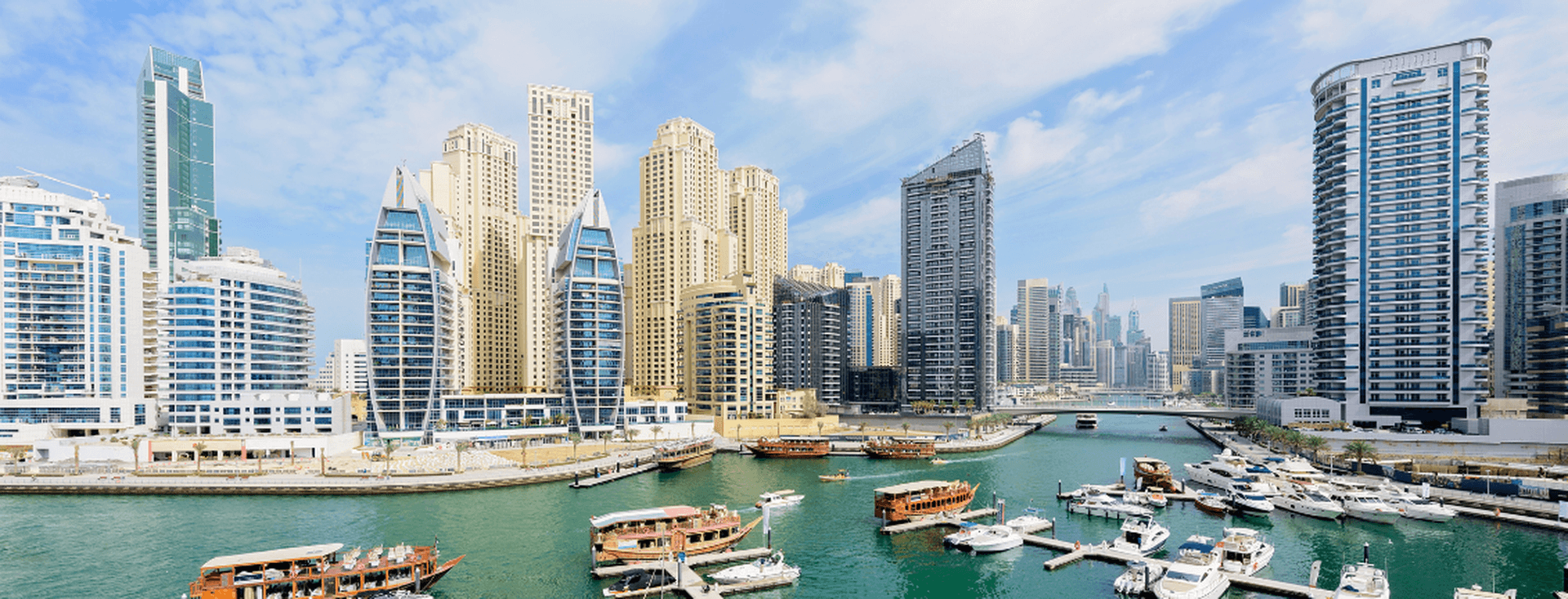
Dubai remains one of the world’s most active residential property markets, attracting investment from both UAE-based and international buyers. In H1 2026, 80,509 residential properties were sold with a combined value of AED 226.5 billion, making it the second strongest first half on record by sales value.
However, after several years of exceptional growth, the market has become more selective. Buyers are placing greater emphasis on location, developer reputation, property quality, pricing, rental performance and long-term value rather than relying on broad market momentum.
For investors, this makes understanding where, what and how to buy increasingly important. This guide explains how to invest in Dubai real estate in 2026, from choosing an investment strategy and property type to financing, ownership rules, due diligence and the risks to consider before buying.
Table of Content
Understanding the Dubai Real Estate Market
Steps to Invest in Dubai Real Estate
Types of Real Estate Investments in Dubai
Legal Considerations and Procedures
Taxation and Ownership Rules for Foreign Investors
Tips for Successful Real Estate Investment in Dubai
Risks and Challenges of Investing in Dubai Real Estate
Conclusion
You should never go into any big investment blind. Having an understanding of the factors that influence the Dubai real estate market and staying informed is crucial to making strategic investment choices.
Key factors that influence Dubai’s real estate market include economic factors, like GDP growth and inflation, interest rates, population change, government policies and regulation and global trends.
There are many potential benefits and reasons to invest in Dubai real estate. These include:
| Reasons To Invest In Dubai | Explained |
|---|---|
Active Property Market | Dubai recorded 80,509 residential sales worth AED 226.5 billion in H1 2026, the second strongest first half on record by sales value. |
Attractive Rental Yields | Average gross rental yields in Dubai stood at 6.5% in August 2026, which is significantly higher than in many other global cities. |
Favourable Tax Environment | Dubai charges no property taxor personal income tax on rental income. Real estate investment income earned by individuals in their personal capacity is also generally outside the scope of UAE Corporate Tax, subject to applicable conditions. |
Thriving Economy | The IMF expects the UAE’s GDP to grow by 5% in 2026, supporting a growing real estate market. |
Growing Population | Dubai’s population is growing rapidly, with the government aiming to grow the population from 4 million in August 2025 to 5.8 million by 2040. |
Strategic Location | Dubai’s central location between Europe, Asia and Africa makes it the perfect location for global travel |
Visa By Investment | Those who invest in Dubai real estate could qualify for a 10 year Golden Visa, allowing them to secure long term residency |
Safety & Stability | Dubai is one of the safest cities globally and the UAE is known for its political stability. |
Booming Tourism | Dubai welcomed 9.88 million international visitors in H1 2025, supporting both the economy and demand for short-term rentals |
Investor preferences continue to evolve alongside Dubai’s property market. While performance varies significantly between individual projects and communities, several themes are influencing where buyers are focusing their attention in 2026.
Technology-driven living is becoming a defining feature of premium Dubai investment real estate, with demand rising among both buyers and tenants.
Smart home integrations elevate lifestyle convenience, enhance security, and can increase long-term property value, making them a compelling factor when considering why invest in Dubai real estate.
Sustainability is shifting from a trend to an expectation among environmentally conscious homeowners and investors. Developers are integrating green building practices into upcoming projects as a core value proposition rather than an add-on feature.
Common features now include Energy-efficient design, eco-friendly construction materials, enhanced landscaping and smart systems to minimise electricity and water usage.
Sustainable design is set to become standard across future Dubai investment properties, aligning with global ESG-focused investment preferences.
Dubai remains synonymous with luxury. Waterfront living and branded residences continue to attract UHNWIs and lifestyle-driven investors who prioritise exclusivity, personalised service, and long-term capital appreciation.
These properties offer elevated living standards, unique design, and premium amenities, creating some of the most desirable Dubai real estate investment opportunities.
One of the fastest-growing trends for 2026 is the surge of master-planned residential communities offering space, privacy, and family-centric living. These communities are particularly appealing to end-users and long-term investors seeking strong rental demand and steady capital growth.
Expect continued expansion of family-oriented villa and townhouse destinations featuring schools, wellness facilities, retail, abundant green spaces, and community-led amenities.
Get Your Free Investment Guide
Learn how to maximise returns and make informed decisions in Dubai’s property market.
Investing in Dubai real estate involves several important steps. Following these steps can help you to ensure a smooth and successful investment process.
Conduct thorough research and market analysis to understand the current trends, typical property values, and potential returns on investment. Check out market reports and research, and speak with experienced real estate experts to get a comprehensive understanding of the market and opportunities.
A key part of knowing how to invest in Dubai real estate is understanding your investment goals before making any big decisions.
Think about whether your priority is to achieve long term capital appreciation or do you want to prioritize rental income, or perhaps some combination of both. Equally, think about whether you plan to rent out the property on a short-term or long-term basis as this could impact the best investment opportunities.
There are multiple financing options that you could consider for Dubai investment properties. Choosing the right financing option prior to starting your property search is crucial to ensure a smooth, successful investment process.
The main financing options for real estate purchases in Dubai are:
Cash: paying for the entire property purchase upfront in cash. Whilst this is the quickest option, it of course requires significant savings.
Mortgage: Dubai has an excellent mortgage market, with many banks offering competitive interest rates and financing options. Speak to an experienced mortgage advisor to understand the best options for your circumstances.
Payment plan: if you are considering buying an off-plan property in Dubai, real estate developers usually offer payment plans to finance the purchase.
When understanding how to invest in Dubai real estate, knowing how to choose the right property is crucial to achieving your investment objectives.
You should work with an experienced real estate expert who takes the time to understand your situation and your investment goals. Together, you should consider factors such as:
Location
Property type
Developer reputation
Potential rental income
Potential for capital appreciation
Exit strategy/resalability
As part of the decision to buy property in Dubai, you should perform due diligence to ensure the property's legality, condition, and market value. Throughout the property transfer process, you should work with a conveyancer who will verify property ownership, check for any legal disputes, and carefully complete all legal processes to ensure a smooth transaction.
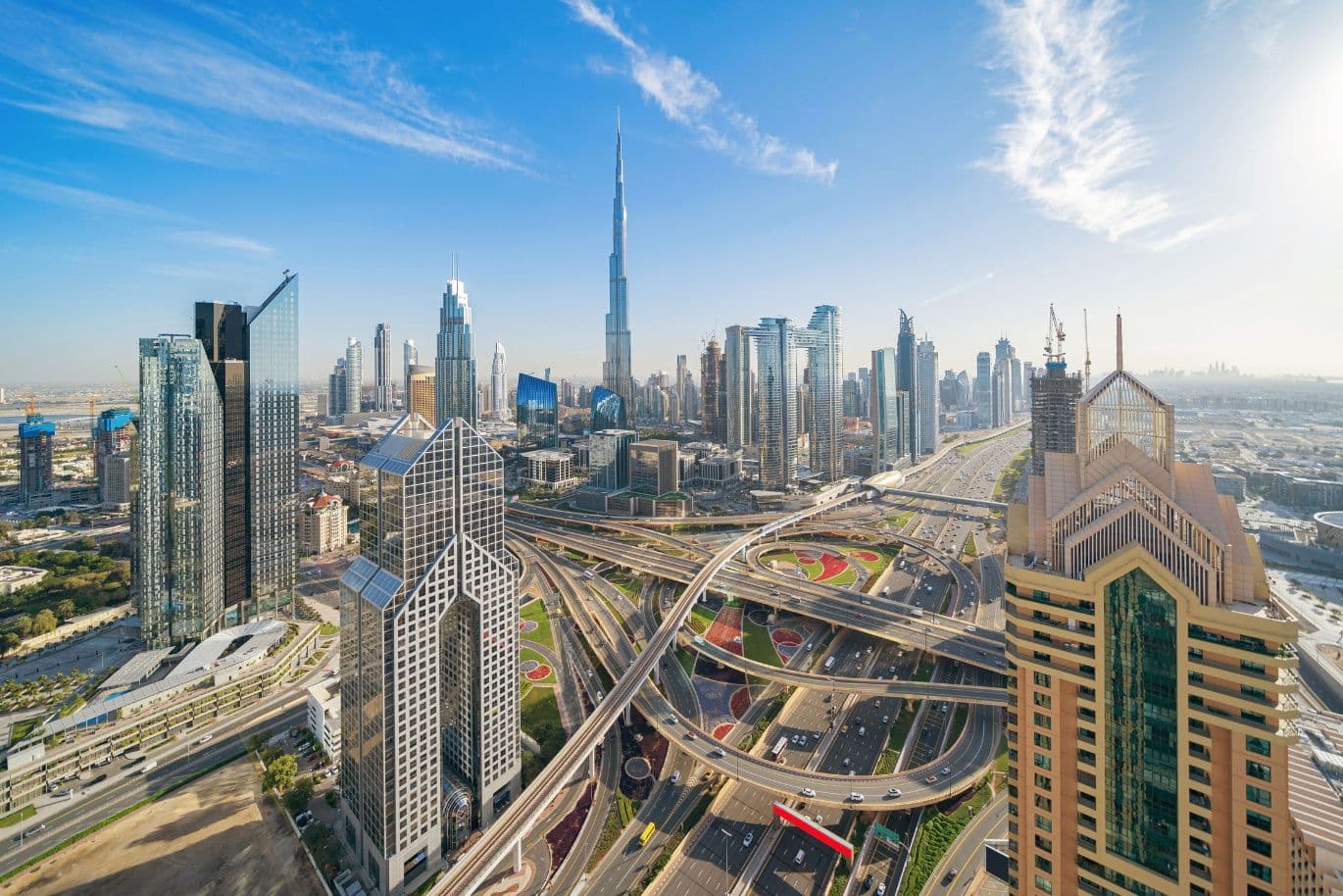
There are various property types to consider when it comes to investing in Dubai real estate. These options cater to different investor preferences, so it's important to understand the key distinctions between them.
Residential properties refers to any property that is designed for people to live in. This includes:
Townhouses
Villas
Residential properties are popular with most investors. This is generally because most people have more understanding of the residential property market than commercial properties, and also they typically offer stable rental income and long-term capital appreciation.
Off-plan properties are purchased before construction has been completed and often come with developer payment plans that reduce the amount of capital required upfront. They may offer capital appreciation during the construction period, but performance depends on factors including the purchase price, developer track record, location, future supply and wider market conditions.
Off-plan property accounted for 71.3% of Dubai residential sales in H1 2026, making it the largest component of the market. However, investors seeking immediate rental income will generally need to consider ready property instead.
Ready properties are homes which have already been built and are available for immediate occupancy. These properties can be rented out immediately, meaning they are great for investors who are looking to generate a rental income right away. Ready properties are usually also the preferred option for those who wish to finance their investment using a mortgage.
Commercial property covers any property that is used for business purposes, such as offices, retail units, and warehouses. Commercial properties are ideal for business owners and corporate investors, and have the potential to generate high rental yields on long-term lease contracts.
However, the commercial property market has different dynamics to the residential property market, so specialist advice is required before considering this property type.
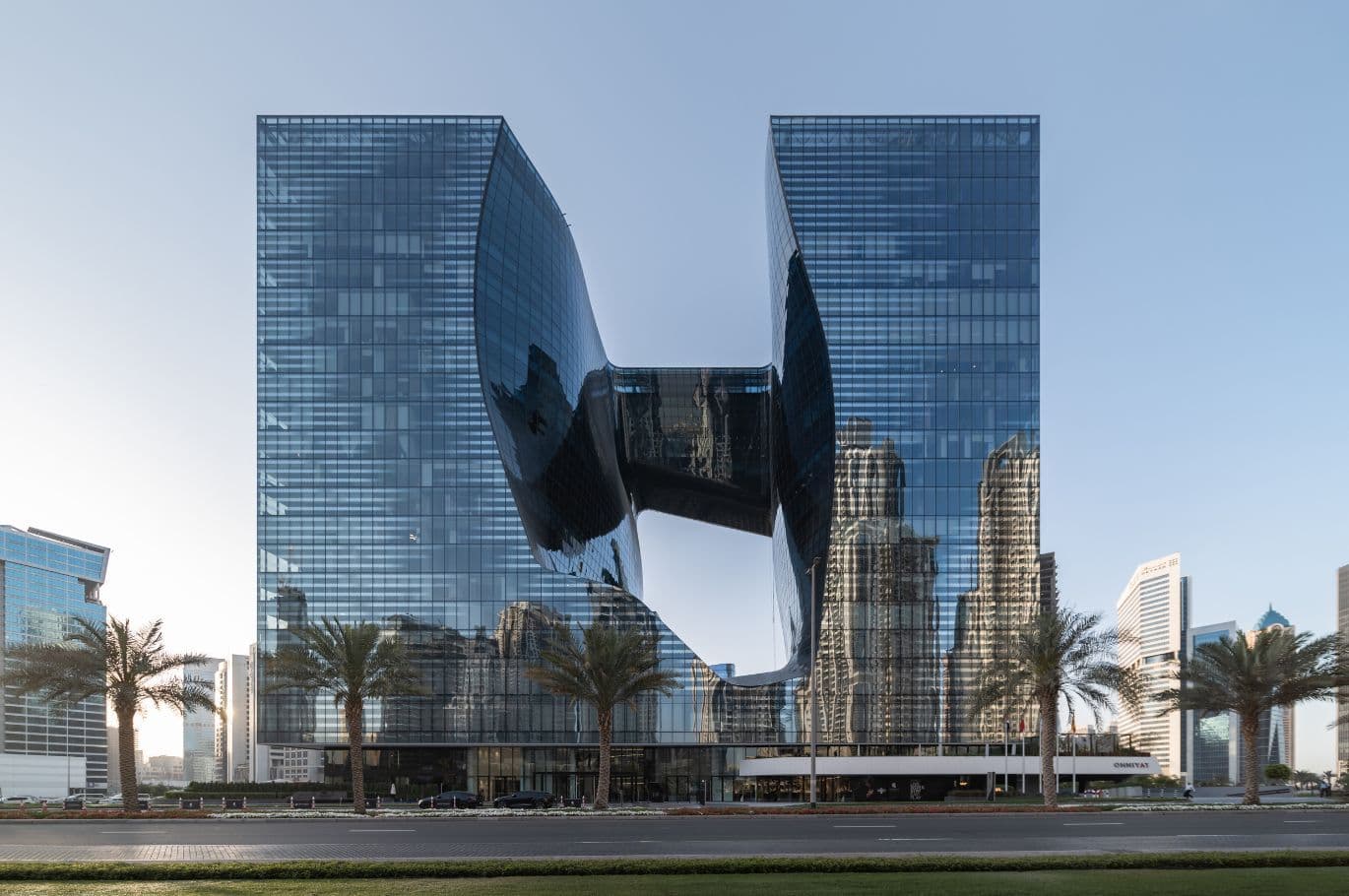
Understanding the legal framework and procedures for real estate investment in Dubai is essential for a smooth transaction.
Dubai has a well defined legal framework that oversees and governs the real estate market. The Dubai Land Department and RERA have various laws and regulations which ensure an efficient property market. These processes, such as the RERA Rental Index Calculator, ensure that investors can buy and rent property in Dubai confidently, knowing that their rights and their investment are well protected.
Through online research and consultation with an experienced property consultant, you can understand the laws and processes behind how to invest in Dubai real estate.
Property registration and transfer are carried out at an approved property registration trustee in Dubai. This involves the preparation of various documents, before visiting a transfer office to pay the necessary fees, and complete the registration process to legally transfer ownership. You should work with a Property Consultant and a conveyancer who can advise you throughout the registration and transfer process.
For those exploring how to invest in Dubai real estate, it’s essential to understand the regulations that apply to international buyers. Dubai has clear guidelines for foreign ownership, and being aware of them helps ensure compliance and a smooth Dubai real estate investment journey.
Foreign investors can enjoy full property ownership rights in Dubai, but only within designated freehold zones. These areas have been established to enable foreign property ownership, allowing buyers to own, sell, lease, or rent their property without restrictions.
For Dubai real estate investment, foreign buyers can also finance their purchase through a mortgage. However, not all banks and Islamic lenders offer mortgage options to non-residents. It is advisable to research available products, compare terms, and consult a qualified mortgage advisor to find suitable financing options.
Dubai does not impose an annual property tax, and individuals investing in UAE real estate in their personal capacity generally do not pay personal income tax on rental income or capital gains.
Real estate investment income earned by natural persons is also generally outside the scope of UAE Corporate Tax where the activity is not conducted through, or required to be conducted through, a licence. Individual circumstances and ownership structures can affect tax treatment, particularly for companies and overseas investors.
You should consider the following tips to ensure a successful real estate investment in Dubai:
As a property investor in Dubai, you should partner with an experienced real estate agent who has a proven history of successful transactions and excellent customer service. Their expertise and network can help you find the best investment opportunities.
Likewise, only considering top real estate developers who have shown a consistent record of delivering high quality projects will maximize your chances of investment success.
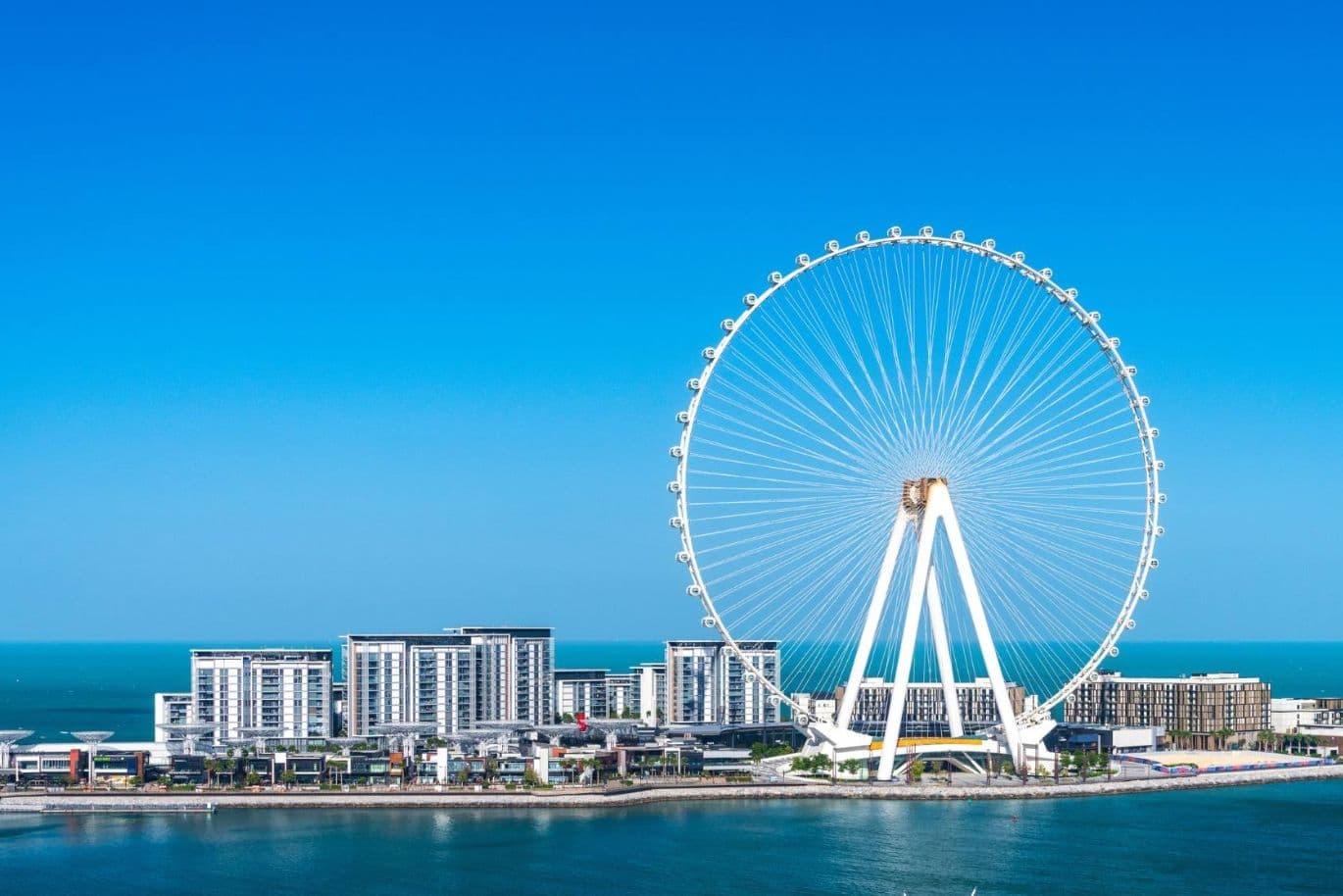
There are a number of aspects that go into managing a rental property, including contract and payment management, maintenance and repairs, and tenant screening. You should consider professional property management services to manage your rental property. This can ensure your investment is well-maintained and generates a consistent rental income.
Stay updated on market changes, government policies, and economic trends that may impact the real estate market. Regularly reviewing market reports and news will help you make informed investment decisions.
While investing in Dubai real estate can be extremely rewarding, with high rental yields and potential for capital appreciation, it also comes with certain risks and challenges.
All real estate markets, like any financial market, are subject to market volatility, with changes in prices and demand. Understanding this possibility, taking a long-term outlook and being prepared for potential changes in your property valuation is crucial to ensure investment success.
Dubai has well-defined laws and regulations surrounding the property market. However, regulatory changes could have an impact on the market. Stay informed about new laws and regulations to ensure compliance and if necessary, adjust your investment strategy accordingly.
Managing and maintaining properties can be challenging, especially for overseas investors. Consider hiring professional property management services to handle these tasks and ensure your investment property remains in good condition and profitable.
Dubai continues to offer a compelling environment for property investment, combining an active residential market, international buyer demand, attractive rental yields and a broad choice of ready and off-plan properties. However, the strength of the wider market does not mean every property will deliver the same investment performance.
In 2026, investors should be increasingly selective. Location, purchase price, developer reputation, future supply, rental demand, service charges and resale potential can all have a significant impact on long-term returns. The right investment should therefore be assessed on its individual fundamentals and how well it aligns with your financial objectives and intended holding period.
Engel & Völkers Dubai combines current market data with local community expertise to help investors compare opportunities across the city and make informed property decisions based on their individual goals.

Invest successfully with Engel & Völkers
Find your ideal investment with expert guidance and tailored services.
You may also be interested in






Yes, there are many Dubai real estate investment opportunities for foreigners that offer full ownership rights.
There is no minimum investment criterion to buy a property in Dubai, with property prices starting from as little as $150,000.
No, you don’t need a residence visa to invest in Dubai property.
Whilst there are certain costs of buying a property, Dubai has no property tax, capital gains tax or personal income tax.
Yes, you can use an off-plan payment plan or a non-resident mortgage in Dubai.

Natalie White
Natalie White is Head of Brokerage – Secondary Sales at Engel & Völkers Dubai, overseeing the company’s secondary residential sales business. Working in Dubai real estate since 2015, she has completed more than 300 transactions and developed extensive expertise across Dubailand and the wider residential market. Natalie combines hands-on market knowledge with a clear, service-focused approach, supporting clients through complex property decisions while also providing leadership and strategic direction to Engel & Völkers Dubai’s secondary sales team.
Contact



Engel & Völkers Dubai
7th Floor, Al Khail Plaza
Jumeirah Village Triangle, Dubai, UAE
Tel: +971 4 4223500