&w=1920&q=75)
Spring cleaning
- 5 min.
- 21.03.2025
&w=1920&q=75)
When the first rays of sunshine awaken Germany’s northernmost state from its winter slumber, the region and its people get into the Easter spirit. Here too, the Easter Bunny hops around hiding nests, and bright Easter bonfires blaze along the beaches.
But in addition to these customs, there are traditions that are as unique as the region itself – and at first glance, quite unusual. Have you ever heard of “Eike Poleike” or the Gækkebrev?
These are Easter traditions from two minority groups in Schleswig-Holstein: the Danish minority and the Frisian ethnic group. These regional customs speak volumes about the cultural diversity and community spirit of this land between the seas.
The South Schleswig Danish minority comprises around 50,000 people in Schleswig-Holstein, who also operate their own schools and kindergartens. Especially in the latter, a traditional Danish Easter custom from the 19th century is kept alive even in northern Schleswig-Holstein: the Gækkebrev. Translated, it means “fool’s letter.” This Easter tradition involves crafting a decorative letter, often as a paper cut-out, filled with verses and riddles. A flower is often enclosed as well. The Gækkebrev is sent anonymously to friends and relatives around Easter, who must then try to guess the sender. If they succeed within three guesses, the sender owes them a chocolate egg. If they fail, the sender reveals their identity – and they owe them a chocolate egg.
The Frisian ethnic group is also one of the minorities in Schleswig-Holstein. Currently, about 50,000 Frisians live in the state, mainly on the North Frisian Islands and on Heligoland.
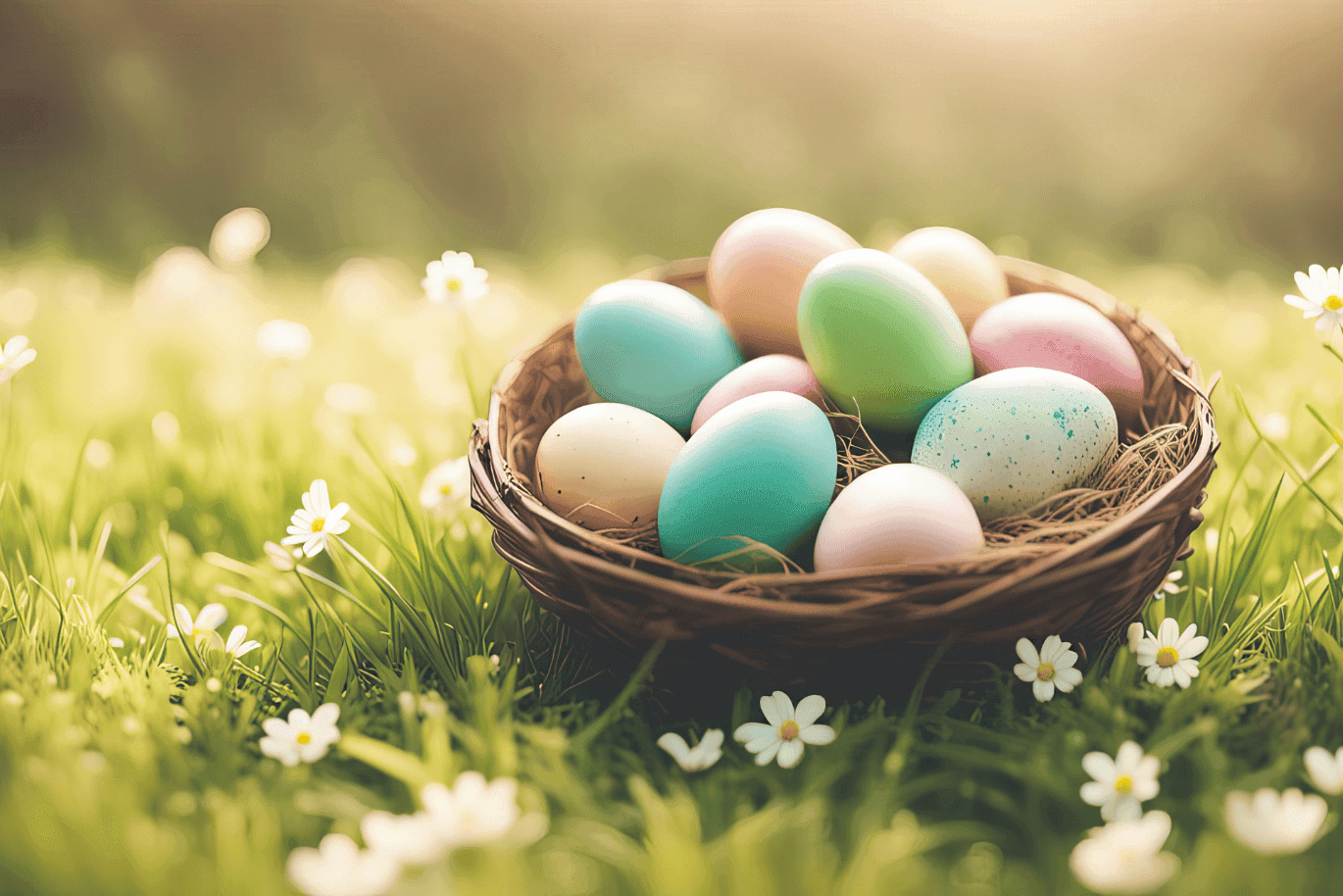
There, some old Frisian Easter traditions are still celebrated. On the islands of Sylt and Föhr, for example, the tradition of egg throwing, which once gathered entire villages together, is still known today: On Easter Sunday or Monday, children throw hard-boiled eggs into the air while shouting, “Eike poleike, kom hial weder deel” (Eike Poleike, come down safe and sound). The child whose egg lands the farthest without breaking wins – and gets to eat the losers’ eggs.
On Föhr, another playful Easter custom is practiced, which also involves keeping eggs intact: During pötjrin, children hold hard-boiled Easter eggs in their hands and tap them against each other, first with the round end, then with the pointy end, until one breaks. The winner gets to eat the other’s egg. A once-popular social tradition on the North Frisian Islands has since faded: similar to caroling, children used to visit neighbors during the holidays, reciting poems and wishing them a “frööligen puask” (happy Easter) in exchange for an egg.
Whether it’s the Gækkebrev or Eike Poleike, it’s these unusual traditions that help keep the customs of Schleswig-Holstein alive. They create a special connection between the landscape, history, and its people – and not just at Easter.
You may also be interested in
&w=1920&q=75)
&w=1920&q=75)


&w=1920&q=75)




&w=1920&q=75)
&w=1920&q=75)


Contact provider
Page content provided by: EuV Wohnen GmbH
License partner of Engel & Völkers Franchise and Trademark GmbH