New
Sankt Peter-Ording, Schleswig-Holstein, Germany
Nordseeglück mit Westbalkon
Price
€259,000
- 2.5 Rooms
- 1 Bathroom
- ~47 m² Living area
The Future of Living, Building and Designing
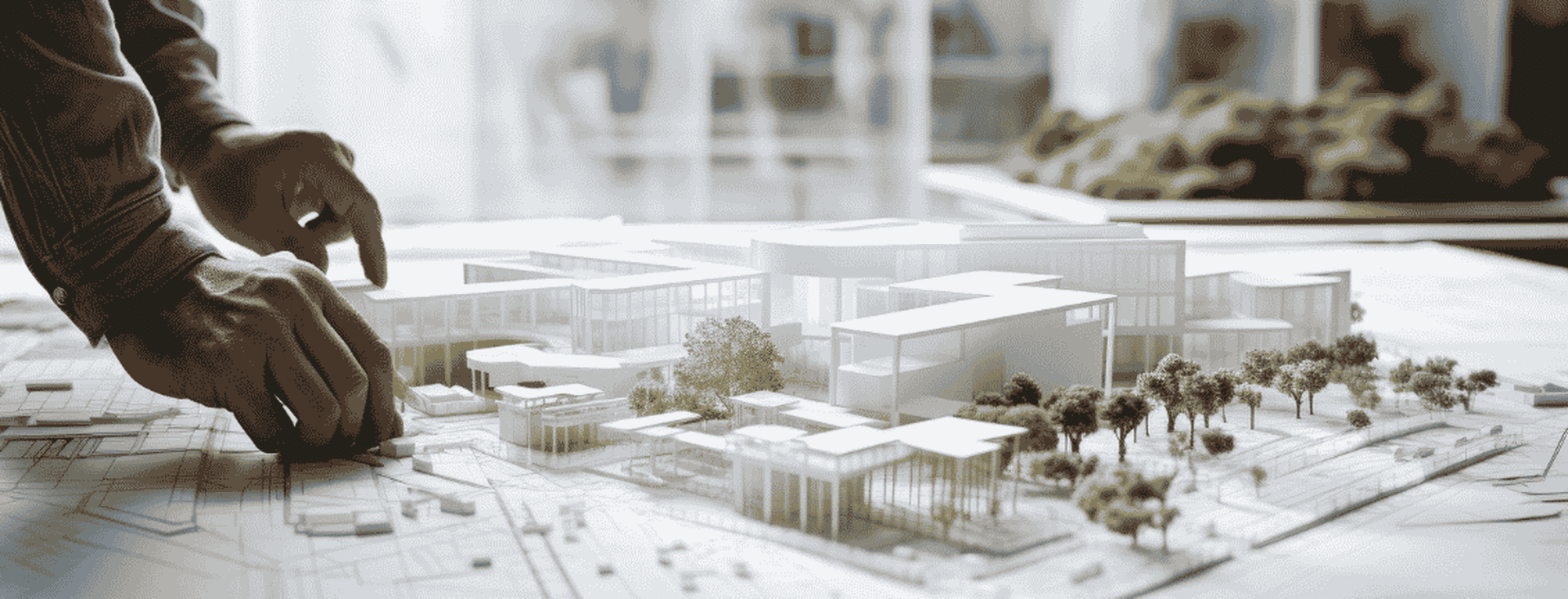
Living is far more than simply having a roof over one’s head — it reflects our lifestyles, values and personal visions. In a time shaped by social and environmental change, architecture and interior design are undergoing a fascinating transformation. The latest Callwey Trend Report, for which numerous renowned architecture and interior design studios were surveyed, clearly demonstrates that the future of living demands courage, a willingness to experiment and an entirely new understanding of quality.
As experts in premium real estate, we at Engel & Völkers take a closer look at the key developments that are shaping the modern home of tomorrow.
Das Einfamilienhaus bleibt für viele der Inbegriff des Traums vom Eigenheim, hat jedoch – nicht zuletzt durch den Einzug des Homeoffices – eine neue, tiefere Bedeutung erlangt. Gleichzeitig stehen Planer vor der Herausforderung, den Wunsch nach individueller Entfaltung mit einem bewussten Umgang mit Ressourcen und Flächen zu vereinbaren.
For many people, the single-family home remains the ultimate symbol of the dream of homeownership. However, particularly due to the rise of remote work, it has taken on a deeper and more multifaceted meaning. At the same time, architects and planners face the challenge of balancing the desire for individuality with a conscious use of resources and living space.
Today’s homeowners are highly informed. According to the experts surveyed, two topics are now at the very top of the list when it comes to what a modern home must deliver:
Energy efficiency and sustainability: For one quarter of respondents respectively, these are the absolute priorities when addressing changing expectations.
Adaptability and healthy living: Flexible floor plans that can evolve with changing lifestyles are increasingly in demand — whether through multifunctional spaces or the deliberate use of healthy, sustainable materials.
There is also a noticeable shift in residential construction methods. While traditional solid construction still dominates with 66%, around one third of architects are already relying on forward-looking timber and timber-hybrid constructions — a clear move toward circular and sustainable building practices.
One of the strongest messages of the trend report concerns the approach to existing architecture. Instead of building on a “blank canvas,” creative redevelopment and modernization are increasingly taking center stage. An impressive 83% of the interior design professionals surveyed stated that upgrading and revitalizing existing buildings is a far more attractive and inspiring task than constructing entirely new buildings.
Existing properties not only contain a significant amount of “grey energy,” making them an active contribution to climate protection, but they also often possess a unique character and charm that newly built properties can rarely replicate.
Sankt Peter-Ording, Schleswig-Holstein, Germany
Price
€259,000
Glückstadt, Schleswig-Holstein, Germany
Price
€248,000
Mürwik, Flensburg, Schleswig-Holstein, Germany
Price
€450,000
According to the experts, interior design is where true quality distinguishes itself from short-lived trends. While technological gimmicks and “smart homes” are viewed more critically, a strong countertrend is emerging toward “dumb houses” — homes that focus on pure living quality rather than excessive technology or sheer size.
Several developments from recent years, according to the professionals surveyed, should even become things of the past entirely:
The uncompromising preference for completely open-plan kitchens without separation
The complete replacement of bathtubs in favor of oversized showers
Ever-larger TV screens dominating living spaces visually (the trend is instead moving toward displays that disappear elegantly into floors or furniture)
Ultimately, the most important aspect of sustainability in interior design remains durability. An overwhelming 91% of experts agree that timeless classics are the best choice — pieces that have already passed the “test of time.” A sophisticated interior should not feel outdated after only a few seasons, but instead remain elegant and refined for decades, developing a distinguished patina rather than visible wear.
Whether it is a new build or a carefully considered modernization project, the success of a property ultimately depends on the courage of both homeowners and planners. Challenging conventions and trusting in tailor-made, unconventional solutions pays off. The report’s findings clearly show that investing in quality, longevity and character does not simply create a stable asset — it creates a truly distinctive home.
You may also be interested in

&w=1920&q=75)
&w=1920&q=75)
Contact provider
Page content provided by: EuV Wohnen GmbH
License partner of Engel & Völkers Franchise and Trademark GmbH