
One month after the Berlin election
- 3 min.
- 20.10.2026
The new GG website: Inspiring personalities, extraordinary places and exceptional properties. Discover now.
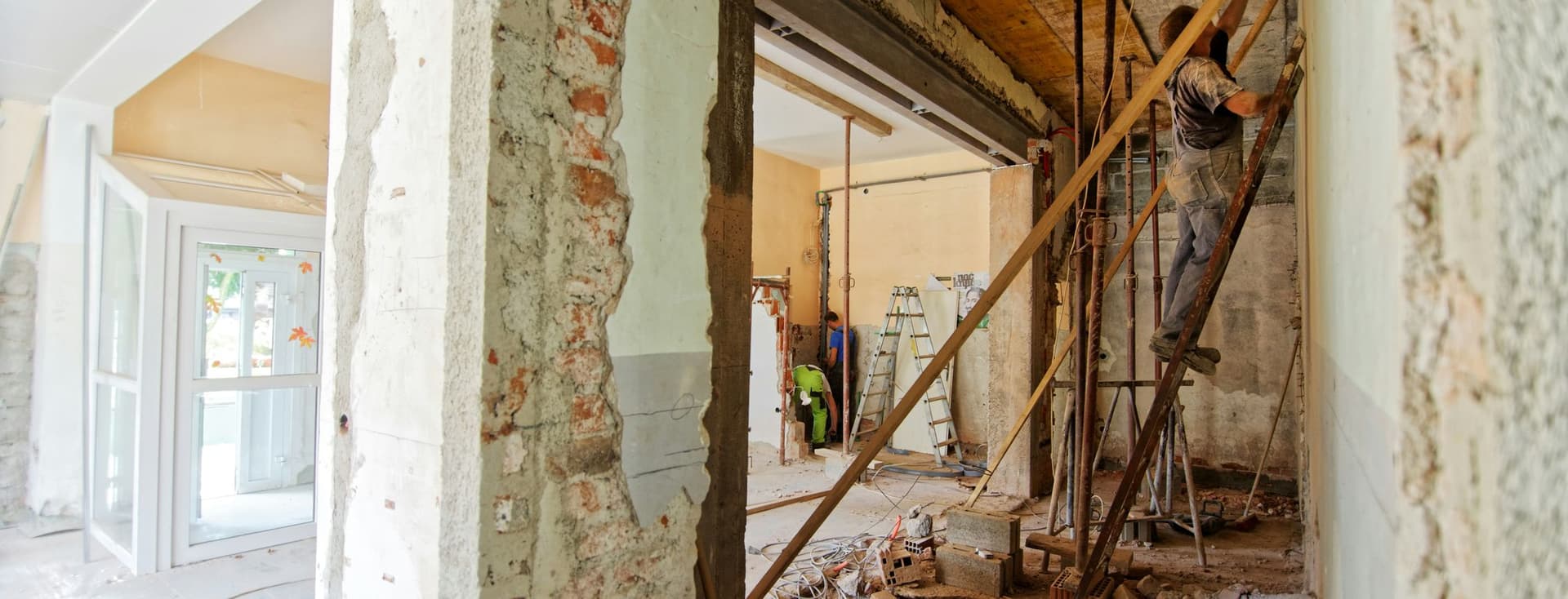
Existing multi-family buildings require up to three times as much energy for heating and hot water as new constructions. This also means that if the owner decides to renovate an existing building, there is significant potential for energy savings.
Although an energy-efficient renovation may not yield immediate financial benefits for many property owners—since tenants typically pay for gas or oil through service charges—this perspective can become a long-term obstacle to renting. This occurs when rising energy costs make the total rent, including operating costs, uncompetitive, forcing owners to accept rent reductions or longer vacancy periods.
Renovating existing buildings is therefore worthwhile. With the right measures, up to 65 percent of previous energy costs can be saved. However, such renovations require careful planning and sometimes significant investment. The payback period often only occurs after ten or more years, which can understandably seem daunting at first.
Yet the effort also brings substantial benefits: a professionally executed and consistent energy renovation leads to a lasting increase in the property’s value. Another point: it is foreseeable that in the future, a property’s value will increasingly depend on its energy efficiency.
The benefits of an energy-efficient renovation at a glance:
Lower operating costs
Increased property value
Improved living comfort
In addition, owners of existing properties may be eligible for loans or grants from the government-backed KfW bank. There are various programs that support energy-efficient renovations and the transition to renewable energy.
You may also be interested in









Contact


Engel & Völkers Germany
Vancouverstraße 2a
20457 Hamburg, Germany
Tel: +49 40 361310